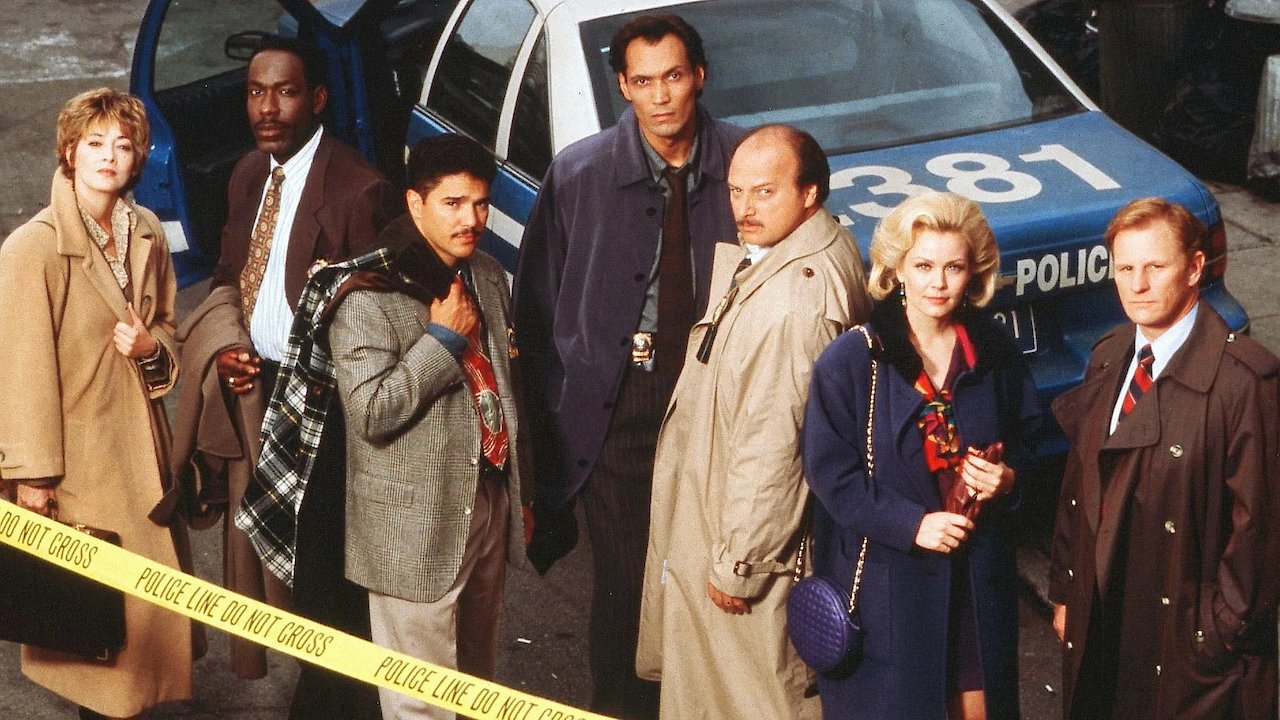
NYPD Blue Season 11 Episode 20 Traylor Trash
- TV14
- April 27, 2004
- 43 min
-
8.3 (90)
NYPD Blue Season 11, Episode 20 - Traylor Trash
In the gripping episode "Traylor Trash," the dynamics of the 15th Precinct are once again tested as the detectives confront not only the criminal underbelly of New York City but also the complex web of human relationships that shape their lives. Set against the bustling backdrop of the city, this episode delves deep into the challenges faced by the men and women of the NYPD, navigating personal dilemmas while battling the chaos that surrounds them.
As the episode opens, an unexpected homicide case shakes the precinct. The victim's background reveals an unsettling connection to a high-profile community event—one that attracts the attention of affluent locals as well as media outlets. This intersection of socio-economic strata pulls the detectives into a maze of intertwining motives and hidden agendas. The investigation quickly escalates, leading to deeper revelations about class disparity and the impact of wealth on crime and justice.
Detective Andy Sipowicz, portrayed with emotional depth and complexity, finds himself reflecting on his own life choices and the morality that underpins his role as a police officer. His interactions with various suspects and witnesses bring to light the ethical dilemmas faced by law enforcement in a world rife with corruption and privilege. The narrative poignantly showcases Sipowicz’s struggle to balance his uncompromising pursuit of justice with the realization that not all truth is clear-cut. In his pursuit, Sipowicz grapples with the ghosts of his past, navigating through layers of guilt and redemption that define his character.
Meanwhile, Detective Bobby Simone, ever the idealistic and empathetic partner, takes on a vital role in grounding Sipowicz amidst the tumultuous investigation. Their partnership, characterized by contrasting philosophies, serves as a lens through which the audience can question the nature of justice and its varying interpretations. Simone’s ability to connect with victims and their families brings a humanizing touch to the police work that often feels cold and transactional. His insights not only help advance the case but also serve to highlight the personal stories that lie behind every crime, reaffirming the show's dedication to character-driven storytelling.
The episode showcases several secondary characters, adding layers to the overarching narrative. Key witnesses and suspects are fleshed out, each with their own backstory that intertwines with the main plot, showcasing the ripple effects that crime has on various lives. As the detectives dig deeper, they unearth secrets that provoke intense moral questions, challenging their understanding of right and wrong in a world where lines are often blurred.
In addition to the gripping narrative, "Traylor Trash" thoughtfully weaves issues of class, race, and privilege throughout its dialogue and plot development. The episode does not shy away from revealing the prejudice and discrimination found within society, forcing the audience to confront uncomfortable truths about systemic inequality and the diverse communities that populate the city. The show’s commitment to realistic portrayals of urban life allows it to resonate with viewers, reflecting real-world complexities in a way that is both engaging and thought-provoking.
The pacing of the episode maintains a sense of urgency, with each scene contributing to a mounting tension that pulls viewers deeper into the story. The writing is sharp and insightful, with a blend of humor and drama that captures the gritty essence of life in the NYPD. Each character’s journey—including their triumphs and setbacks—encourages viewers to invest emotionally in their fates, leading to a powerful climax that encapsulates the episode's themes.
Ultimately, "Traylor Trash" encapsulates the essence of NYPD Blue: a show that masterfully balances the procedural aspects of police work with the profound emotional and ethical challenges faced by its characters. The episode serves as a reminder that behind every badge lies a person grappling with the complexities of humanity, and it invites viewers to join the detectives on their search for truth amid chaos. As the episode draws to a close, unresolved issues linger, ensuring that the viewers remain engaged not only with the case at hand but with the characters’ evolving stories as they navigate the tumultuous waters of their lives both on and off the force.
This installment of NYPD Blue not only stands on its own compelling narrative merits but also solidifies the series' reputation for rich storytelling and character development, making it a must-watch as Season 11 reaches its climax.