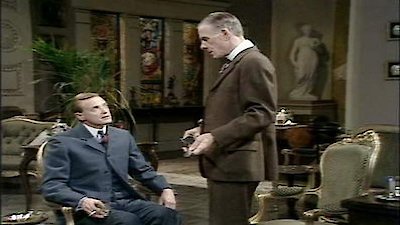
When the Boat Comes In Season 1 Episode 4 Swords and Pickhandles
- TV-NR
- January 29, 1976
- 51 min
-
(10)
In the episode "Swords and Pickhandles" of the first season of "When the Boat Comes In," the gripping British drama continues to explore the struggles and triumphs of Jack Ford, a World War I veteran navigating his way through the tumultuous post-war era in northern England. Set in the 1920s, this episode delves into the challenging socio-political climate and the harsh realities faced by those looking to rebuild their lives.
As the episode unfolds, Jack Ford, played by the remarkable James Bolam, finds himself facing a myriad of obstacles. Having returned from the war to find his hometown decimated, Jack is determined to rise above the ashes and make a better life for himself and his community. However, he soon realizes that the scars of war run deep, both physically and emotionally, and rebuilding is easier said than done.
The central plot of "Swords and Pickhandles" revolves around Jack's involvement with the trade union movement. Witnessing the exploitation of workers in the mines and shipyards, Jack becomes an advocate for their rights, leading to his introduction to union leader Tom Mordue, portrayed by the talented Malcolm Terris. Jack's passion for justice and his eloquence in speaking for the downtrodden make him a force to be reckoned with, but also a target for those who wish to maintain the status quo.
Meanwhile, the personal lives of the characters continue to evolve. Jack's former flame, Jessie Seaton (played by Susan Jameson), struggles with her feelings for him and her loyalty to her new husband, Tom. The tension between Jack and Tom is palpable, adding another layer of complexity to their dynamic triangle. As Jack continues to fight for workers' rights, he must navigate the delicate balance between personal relationships and his broader mission.
Alongside the captivating narrative, "Swords and Pickhandles" showcases the excellent period detail that has become a hallmark of the series. From the costumes to the set design, viewers are transported back in time to a gritty and unforgiving era. The attention to detail allows the audience to immerse themselves fully in the story, enhancing the overall viewing experience.
As the episode progresses, it becomes clear that the battle for equality and justice has multiple fronts. Jack must contend with not only the exploitation of workers but also the corruption that permeates local politics. The episode skillfully depicts the ruthlessness of those in power and the sacrifices that the working class must make to challenge the status quo.
As with previous episodes of "When the Boat Comes In," "Swords and Pickhandles" excels in portraying the human cost of war and the far-reaching consequences that echo long after the guns fall silent. It tackles themes of resilience, sacrifice, and the indomitable spirit of the working class. The writing remains sharp and nuanced, exploring the complexities of the characters' motivations and moral dilemmas.
In conclusion, "Swords and Pickhandles" is a riveting episode that further delves into the compelling narrative of "When the Boat Comes In." It continues to captivate audiences with its vivid portrayal of post-war England and its exploration of profound societal changes. With its exceptional performances, attention to detail, and thought-provoking themes, this episode is sure to leave viewers eagerly anticipating the next installment.