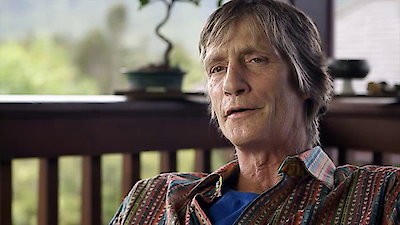
30 for 30 Shorts Season 3 Episode 4 Wrestling The Curse
- TVG
- February 27, 2015
- 16 min
-
6.5 (41)
In 1996, a scandal rocked the world of Olympic wrestling when American athlete Matt Ghaffari lost the gold medal match to Russia's Alexander Karelin. Rumors circulated that Ghaffari had been cursed by Karelin's coach, Anatoly Roshchin, who allegedly used black magic to ensure his wrestler's victory.
In "Wrestling The Curse," part of ESPN's 30 for 30 Shorts series, filmmaker Jeremy Schaap explores the bizarre story of Roshchin and the curse that haunted Ghaffari for years. Through interviews with Ghaffari himself, as well as wrestling insiders and experts on Russian folk magic, Schaap pieces together a picture of one of the strangest incidents in Olympic history.
The episode begins with a dramatic reenactment of the gold medal match between Ghaffari and Karelin, which ended in a controversial 2-1 decision for the Russian. The loss was devastating for Ghaffari, who had been favored to win the match and had dreamed of an Olympic gold medal for years. But things only got worse from there.
Shortly after the match, rumors began to circulate that Roshchin had placed a curse on Ghaffari, using magic to ensure that he would never win a gold medal. According to legend, Roshchin was a master of Russian folk magic, and had used his powers to help Karelin defeat Ghaffari. Some even claimed that Roshchin had sacrificed a chicken or performed other bizarre rituals in order to cast his spell.
As word of the curse spread, Ghaffari found himself beset by bad luck. He suffered a series of injuries that kept him out of competition for months at a time. He lost to inferior opponents in international matches. And, most notably, he failed to make the Olympic team in 2000, despite being one of the best wrestlers in the world.
Ghaffari himself admits that he was spooked by the rumors of the curse. In an interview with Schaap, he describes how he avoided contact with Roshchin and even refused to shake his hand at a wrestling tournament. He also speaks candidly about the toll that the curse took on him emotionally, admitting that he struggled with depression and even contemplated suicide at one point.
Schaap also speaks with experts on Russian folk magic, who provide context and insight into the bizarre world of curses and spells. They explain that belief in magic is still prevalent in parts of Russia, particularly in rural areas, and that many wrestlers and other athletes are known to consult with mystics and healers in order to gain an edge.
Throughout the episode, Schaap maintains a tone of respectful skepticism, acknowledging the outlandishness of the curse while also showing empathy for Ghaffari's struggles. He presents both sides of the story, interviewing Roshchin and other Russian coaches who deny any involvement in black magic. He also touches on the geopolitical context of the Ghaffari-Karelin match, which took place just six years after the fall of the Soviet Union and at a time when tensions between the US and Russia were still high.
Ultimately, "Wrestling The Curse" is a compelling, thought-provoking look at one of the stranger incidents in Olympic history. Through interviews with a variety of sources, including Ghaffari himself, Schaap weaves together a narrative that is equal parts intriguing and unsettling. Whether or not you believe in curses or magic, the episode is sure to leave you with a newfound appreciation for the power of belief and the strange, unpredictable nature of competition.