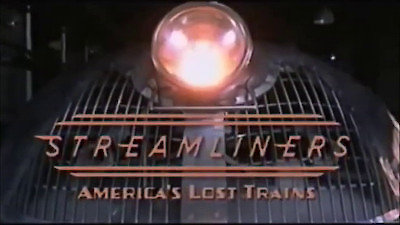
American Experience Season 13 Episode 13 Streamliners: America's Lost Trains
- April 30, 2001
In season 13 episode 13 of American Experience, titled "Streamliners: America's Lost Trains," viewers are taken on a journey through America's train transportation history from the mid-1930s to the 1950s. Streamlined trains were a popular mode of long-distance travel during this time, as they promised speed, luxury, and comfort to passengers.
The episode begins by introducing the perception of trains in America during the 1930s. Trains were seen as the lifeline of America, linking small towns to big cities and connecting disparate regions of the country. However, as the country was gripped by the Great Depression, the number of passengers who could afford train travel declined rapidly. In a bid to attract customers, railway companies began to introduce new streamlined trains in the mid-1930s.
The episode delves into the history of these streamlined trains, which were designed to be faster, more comfortable, and more efficient. They had sleek, aerodynamic designs that made them more appealing to customers. They also boasted amenities such as air conditioning, lounge cars, and dining cars, which made long-distance train travel more luxurious and enjoyable.
The episode then takes viewers on a tour of some of the most famous streamlined trains of the time, including the Union Pacific's "City of Los Angeles," the Pennsylvania Railroad's "Broadway Limited," and the Santa Fe's "Super Chief." These trains were not only faster and more luxurious than their predecessors but also more reliable, as they were designed to be more resistant to weather and mechanical issues.
The episode also examines the impact of these trains on American culture. Streamlined trains were seen as symbols of progress and modernity, and they played a key role in promoting tourism in America. They also spawned a whole range of products, from toys to household items, that featured streamlined designs.
However, the episode also looks at the decline of streamlined trains in America. Despite their popularity in the 1930s and 1940s, the growth of the airline industry in the 1950s and 1960s, along with the rise of the automobile, led to a decline in train travel. As a result, many of the famous streamlined trains were retired, and their legacies were forgotten.
The episode concludes by exploring the nostalgia that many Americans feel for these once-beloved trains. Streamlined trains have become an important part of America's cultural heritage, and many people now collect memorabilia and model trains based on their designs. The episode suggests that the legacy of streamlined trains lives on, and they continue to inspire people to this day.
Overall, "Streamliners: America's Lost Trains" is an engaging and informative exploration of a fascinating chapter in America's transportation history. The episode not only provides a fascinating insight into the design and operation of these iconic trains but also examines their cultural significance and impact on American society.