American Masters Season 38 Episode 4 A Song for Cesar
- September 29, 2023
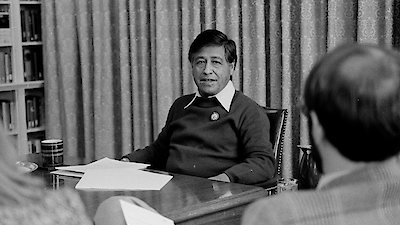
In the American Masters season 38 episode 4, titled A Song for Cesar, viewers are invited to explore the life and legacy of the pivotal labor leader and civil rights activist, Cesar Chavez, through the rich lens of art, music, and cultural expression. This episode delves into the profound impact Chavez had on the social justice movement and the evolution of labor rights in the United States, weaving together the voices of artists, musicians, and historians who have drawn inspiration from his work and struggles.
The episode opens with a backdrop of Chavez’s early life, detailing his experiences navigating poverty, injustice, and prejudice as he grew up in a migrant farming family. These formative years ignited his passion for advocating for the rights of farm workers and laid the foundation for his lifelong commitment to social change. Through a mix of archival footage, photographs, and personal accounts, viewers gain insight into Chavez's relentless pursuit of dignity and respect for marginalized communities.
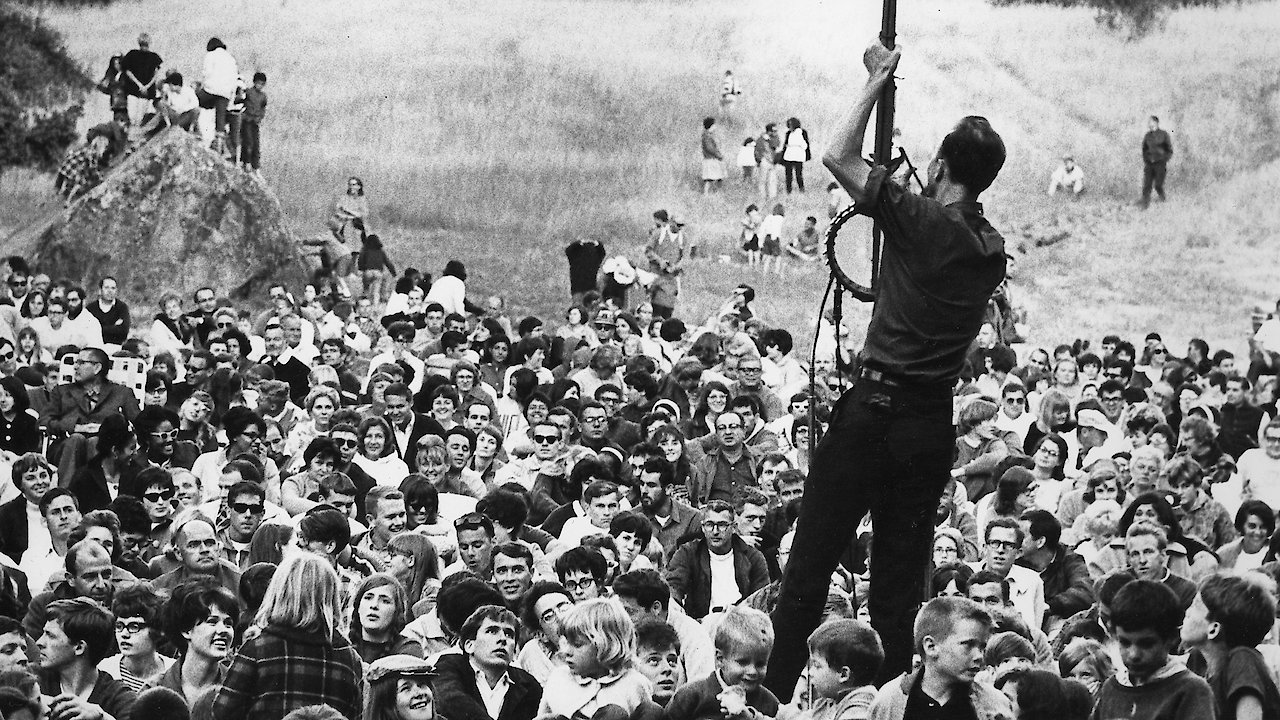
Central to this episode is the exploration of the role that music and art played in amplifying the message of Chavez and the United Farm Workers (UFW) movement. The narrative unfolds through musical tributes, performances, and discussions that highlight how artists harnessed their craft to inspire action and solidarity among workers and activists. The sounds of folk music, protest songs, and traditional Latino music come to the forefront, illustrating the powerful connection between cultural identity and social activism.
Among the featured artists are musicians who directly collaborated with Chavez and the UFW, illustrating how songs became anthems of resistance that resonated deeply within the labor movement. The episode showcases interviews and live performances from iconic figures in the music industry, who reflect on how Chavez’s vision fueled their own creative expressions and motivated them to advocate for change. These conversations reveal the ways in which music served not only as a vehicle for protest but also as a source of hope and unity.
As the episode progresses, it delves into the broader social context of the 1960s and 70s, a turbulent time for America marked by civil rights movements and widespread activism. The show places Chavez within this historical tapestry, highlighting how his efforts paralleled those of other notable leaders advocating for justice and equality. The interconnectedness of these movements is emphasized through a careful examination of shared goals, strategies, and the collective hope for a better future.
The legacy of Cesar Chavez is further explored through the eyes of contemporary activists and leaders who carry on his vision. Interviews with modern-day farm workers, labor rights advocates, and community organizers illuminate how Chavez’s principles continue to influence efforts for social and economic justice today. Their stories serve as a reminder of the ongoing challenges faced by laborers and the persistent fight for fair treatment and recognition of their contributions to society.
Visuals throughout the episode complement the narrative, featuring powerful imagery from protests, strikes, and community gatherings that characterized Chavez's work with the UFW. The cinematography captures the emotional weight of these moments, emphasizing the resilience and determination of those involved in the struggle for labor rights. Viewers are left with an immersive experience that goes beyond historical recounting, fostering a deeper understanding of the sacrifices and triumphs that shaped the legacy of Chavez.
Moreover, the episode addresses the cultural significance of Chavez's work, examining how it intersects with broader discussions on immigration, labor policy, and human rights. The insights provided by experts and historians help to contextualize the ongoing relevance of Chavez’s ideals in contemporary society, asserting that the fight he championed is far from over.
A Song for Cesar pays homage to a man who dedicated his life to fighting for justice while also celebrating the power of art as a catalyst for change. The episode ultimately serves as an invitation for viewers to reflect on their own roles in the ongoing pursuit of equality, urging us to remember that the fight for justice is a collective endeavor that spans generations.
With its compelling storytelling, rich historical context, and powerful musical interludes, this episode of American Masters honors not only the life of Cesar Chavez but also the enduring spirit of activism that continues to inspire new generations. As the credits roll, viewers are left with an indelible sense of hope and motivation to engage in the struggles for justice that remain at the forefront of American society.