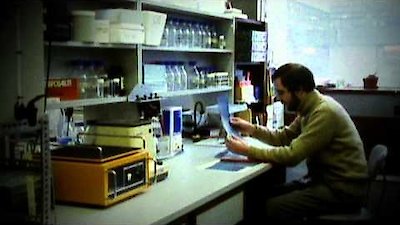
Catching Killers Season 1 Episode 1 DNA Profiling
- TV-MA
- June 17, 2012
- 46 min
Catching Killers is a crime documentary series that follows forensic teams and police investigators as they work to catch murderers and put them behind bars. In season 1 episode 1, titled DNA Profiling, viewers are introduced to the groundbreaking technology of DNA profiling and how it has helped solve some of the most heinous crimes in history.
The episode opens with the gruesome murder of a young woman and the ensuing investigation. Detective Inspector Steve Gaskin is the lead investigator on the case, and he shares how important DNA evidence is in solving crimes like this. He takes us through the process of collecting DNA evidence from the scene of the crime, and the painstaking work of matching it to a suspect.
The science of DNA profiling is explained by Dr. Rosalind Rickaby, a forensic expert who specializes in this area. She explains how the DNA molecule is like a molecular barcode, unique to each individual. By examining the sequences of the DNA, it's possible to identify a specific person with incredible accuracy.
We are also introduced to the story of the first case to ever use DNA profiling as evidence in court, the 1986 murder of two young girls in Narborough, England. Colin Pitchfork was the first person to be convicted of murder using DNA evidence, and it went on to revolutionize the way forensic investigations are carried out.
Throughout the episode, we are given glimpses into other cases where DNA profiling played a crucial role in convicting the guilty parties. One such case is the brutal murder of a woman named Penny Bell, who was raped and killed in her own home. The investigation team faithfully collected DNA evidence from the scene of the crime, and after 15 years, the perpetrator, Paul Hutchinson, was finally found and brought to justice.
Viewers will learn about the different processes involved in DNA testing, including polymerase chain reaction (PCR) and gel electrophoresis. These technologies allow scientists to amplify small samples of DNA and compare them to a larger database of known individuals.
As technology continues to improve, we see how DNA profiling has helped solve cold cases that have gone unsolved for decades. The infamous case of the Golden State Killer is discussed, a serial rapist and murderer who terrorized California for over a decade in the '70s and '80s. After years of failed investigations and false leads, DNA profiling finally led to the identification and arrest of Joseph James DeAngelo, who was convicted of 13 murders and over 50 other crimes.
In the last portion of the episode, we explore the ethical concerns surrounding the use of DNA profiling. Is it ethical to collect and store large amounts of genetic information on individuals, and how should this information be used? These are just a few of the questions that are posed, and the episode invites viewers to consider the implications of this powerful technology.
Overall, this episode of Catching Killers is an in-depth look at how DNA profiling has revolutionized forensic investigations and helped bring countless murderers to justice. It is a must-watch for anyone interested in true crime, forensic science, and the pursuit of justice.