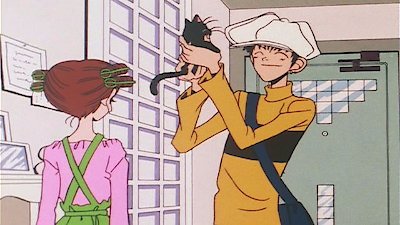
Gokinjo Monogatari Season 1 Episode 2 Dealing With a Childhood Friend!
- September 17, 1995
In the second episode of Gokinjo Monogatari, titled Dealing With a Childhood Friend!, the story delves deeper into the vibrant lives of its young characters navigating the complexities of friendship, love, and aspirations. The episode picks up from the emotional beats established in the premiere, further exploring the tightly-knit relationships that define the main character's world.
The protagonist, a spirited and fashion-savvy high school student, is still adjusting to her new environment and the nuances of her burgeoning dreams in the artistic world. As she grapples with her own ambitions, memories of her childhood friend resurface, bringing a mix of nostalgia and tension. This friend, who has always been a steady presence in her life, suddenly emerges as a significant part of her current reality, forcing her to confront feelings she thought she understood.
The narrative kicks off with the protagonist's morning routine, infused with her unique sense of style and creativity. Viewers are treated to stunning visuals showcasing her flair for fashion, a central theme that runs through Gokinjo Monogatari. The episode emphasizes her determination to stand out and make a name for herself in the bustling world of design and art. However, it also hints at her conflicting emotions regarding her childhood friend, who has always admired her but also harbors his own insecurities.
As the day unfolds, the protagonist's interactions with her classmates highlight the dynamics of youth culture. Each character brings their individuality to the table, making for humorous yet poignant exchanges that capture the essence of teenage life. The lay of the land includes quirky rivals, loyal supporters, and the heavy burden of expectation that many young adults feel as they chase their dreams. The episode does an excellent job of portraying both the lighthearted and serious aspects of growing up, resonating with anyone who remembers the trials of adolescence.
Through a series of events, the protagonist and her childhood friend find themselves thrown back together, leading to moments filled with nostalgia. Their history is rich, filled with laughter and shared secrets, but it’s also laced with misunderstandings that need addressing. As they attempt to reconnect, the episode explores themes of loyalty, the fear of change, and the sometimes painful growth that comes with stepping out of childhood's shadow into the more complicated world of adulthood.
The tension between the two characters is palpable, creating a rich narrative thread that permeates the episode. Scenes featuring their interactions are layered with subtext—what words aren't said is just as powerful as what is spoken. The protagonist’s desire to assert her independence clashes with her lingering attachment to her past, creating an intriguing push-pull dynamic. Her childhood friend, meanwhile, is portrayed with depth, revealing his vulnerabilities and aspirations, making him a complex character with his own struggles.
Artistic choices in Gokinjo Monogatari enhance this emotional landscape, with stylish animation that reflects the characters' moods and the overall tone of the narrative. Bright colors and innovative designs mirror the creativity this show celebrates, while slower-paced, more intimate moments are underscored by softer palettes. The music plays a crucial role, adding to the emotional weight of scenes, punctuating the humor, and fostering a sense of nostalgia that envelops the entire episode.
As the episode progresses, the characters confront their differences, leading to introspective moments that invite viewers to reflect on their own experiences. The protagonist must grapple with what her friendship means to her now and whether she can balance her aspirations with the expectations that come from someone who has known her most of her life. Meanwhile, her friend is forced to evaluate his place in her life and what it means for their future.
Dealing With a Childhood Friend! encapsulates the essence of Gokinjo Monogatari by giving viewers a glimpse into the characters’ lives and the emotional intricacies of their relationships. The exploration of childhood ties against the backdrop of youthful ambition allows the episode to resonate on multiple levels, creating an engaging, relatable viewing experience. This chapter in the series messages about growth, change, and the importance of dialogue in preserving friendships, leaving the audience eagerly anticipating how these connections will evolve in future episodes. The emotional stakes are high, and as the episode concludes, viewers are left pondering the delicate balance between past and present—a theme that is sure to unfold in richly satisfying ways in the episodes to come.