Last Chance to See Season 1 Episode 5 Kakapo
- TV-NR
- October 4, 2009
- 59 min
-
8.2 (42)
Last Chance to See season 1 episode 5, titled Kakapo, takes viewers on an enlightening journey to New Zealand, home to one of the most fascinating and endangered parrots on the planet – the kakapo. This episode shines a spotlight on the unique characteristics and challenges facing this flightless avian wonder, providing an in-depth exploration of both the species and the dedicated conservation efforts aimed at saving it from extinction.
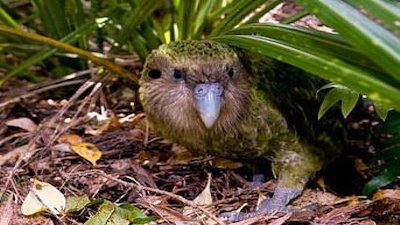
The episode begins with a scenic introduction to New Zealand’s breathtaking landscape, showcasing lush forests, dramatic cliffs, and the diverse ecosystems that make this country a biodiversity hotspot. Viewers are introduced to the kakapo, or "owl parrot," known for its distinctive green and yellow plumage, large size, and charmingly awkward demeanor. With its inability to fly, the kakapo has adapted to its environment in fascinating ways, making it an endearing symbol of New Zealand's unique wildlife.
Throughout the episode, the hosts engage with local experts, conservationists, and researchers who share their passion and commitment to preserving the kakapo population. Interviews provide insight into the bird’s behavior, mating rituals, and the ecological role it plays within its habitat. Notably, the kakapo’s breeding strategy is highlighted, which is tied to the availability of food resources and happens infrequently in the wild. This reproductive challenge has played a significant role in the species' decline.
As the narrative unfolds, viewers learn about the tragic history of the kakapo, including the impact of human activity and introduced predators that have contributed to its status as critically endangered. The episode examines past conservation failures and the lessons learned from them, emphasizing the importance of a comprehensive and evolving approach to wildlife protection.
In a heartwarming and hopeful turn of events, the episode details the innovative conservation strategies deployed by dedicated teams working tirelessly to rescue the kakapo from the brink of extinction. A key focus is placed on the kakapo recovery program, which involves intensive monitoring of the birds, habitat restoration efforts, and the challenges of breeding kakapos in captivity. Viewers are introduced to the dedicated “kakapo rangers” – individuals who spend enormous amounts of time in the field, often living in remote and rugged locations to monitor and care for these remarkable birds.
The emotional highs and lows of conserving such a vulnerable species are palpable, as the episode illustrates not only the scientists’ efforts but their deep emotional connections to the kakapo they protect. Personal anecdotes and stories of individual birds elevate the narrative beyond mere facts, drawing viewers into the lives of these creatures in a way that is both engaging and relatable.
As the episode progresses, there are moments of tension, such as the meticulous and sometimes painstaking processes involved in tracking and identifying kakapo in the wild. The challenges faced by conservationists are juxtaposed with the jubilant moments of success, such as the birth of a new kakapo chick or the discovery of a previously untracked individual. The relationship between humans and nature becomes a central theme, as the show prompts viewers to consider their role in the preservation of biodiversity.
Visually stunning cinematography captures the beauty of New Zealand's habitats and the playful antics of the kakapo. The lush greenery, dramatic landscapes, and the uniquely quirky behaviors of the kakapo provide a feast for the eyes, fostering a sense of wonder and appreciation for wildlife. The natural sounds of the environment accentuate the serenity and urgency of the conservation efforts, enhancing the emotional impact of the episode.
Ultimately, Kakapo is not just a documentary about a bird; it is a powerful commentary on the complexity of conservation and the interconnectedness of life. Through the lens of the kakapo, viewers are encouraged to reflect on broader environmental issues and the actions that can be taken to protect species at risk. The episode serves as both a call to action and a celebration of resilience, showcasing the powerful and sometimes fragile relationship between humanity and the natural world.
In conclusion, Last Chance to See season 1 episode 5 offers a compelling and heartfelt exploration of the kakapo, weaving together science, storytelling, and stunning visuals to create an immersive viewing experience. By focusing on one of New Zealand’s most beloved yet endangered species, the episode highlights the importance of conservation efforts while igniting a passion for protecting the planet’s diverse ecosystems. Through its thoughtful narrative and engaging presentation, Kakapo leaves an indelible mark on viewers, inspiring them to appreciate the beauty of nature and the crucial work being done to safeguard it for future generations.