Scientific American Frontiers Season 15 Episode 4 Chimp Minds
- TV-PG
- February 9, 2005
- 25 min
-
6.4 (5)
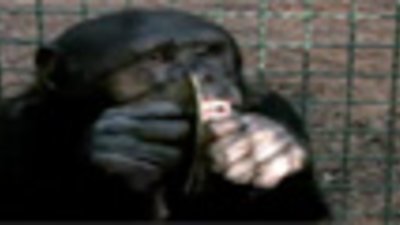
In season 15 episode 4 of Scientific American Frontiers titled "Chimp Minds," host Alan Alda takes viewers into the world of chimpanzee communication and cognition. The episode explores the fascinating similarities and differences between human and chimp minds and sheds light on some of the latest research in the field.
The show takes viewers to the Budongo Forest in Uganda, where scientists are studying the vocal communications of wild chimpanzees. Alda learns about the different calls and vocalizations that chimps use to communicate with each other and the various contexts in which they are used. He also meets one of the researchers who has been studying the same group of chimps for nearly two decades and learns about some of the individual personalities and relationships within the group.
Next, the show travels to the Primate Research Institute at Kyoto University in Japan, where researchers are studying the cognitive abilities of chimpanzees using various tests and games. Alda participates in some of these tests to get a sense of the challenges and complexity involved. He also learns about some of the groundbreaking experiments that have been done with chimpanzees, such as teaching them to use tools to solve problems and to recognize themselves in mirrors.
Throughout the episode, Alda speaks with various scientists who are working to understand the nature of chimp intelligence and its evolutionary origins. Some of the key questions they are exploring include what kind of mental representation chimps have of their environment and how they are able to communicate their thoughts and intentions to others. The show also addresses some of the ethical considerations involved in studying chimpanzees and the importance of treating them with respect and dignity.
Overall, "Chimp Minds" offers a fascinating look into the world of chimpanzee cognition and communication and highlights some of the remarkable similarities and differences between human and chimp minds. It is an engaging and thought-provoking episode that will appeal to anyone interested in animal behavior, evolution, or cognitive science.