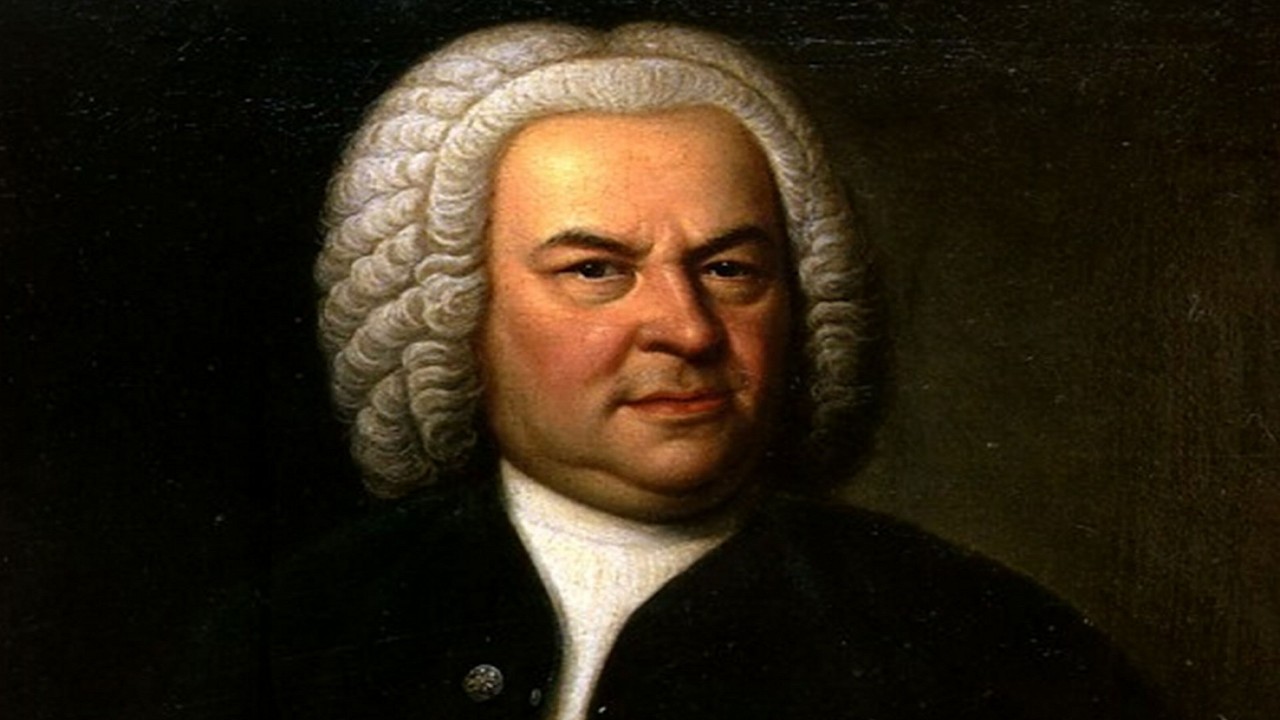
The 23 Greatest Solo Piano Works Season 1 Episode 5 Beethoven?The Appassionata Sonata
- TV-PG
- September 27, 2013
- 47 min
In the fifth episode of The 23 Greatest Solo Piano Works, titled Beethoven? The Appassionata Sonata, viewers are invited to immerse themselves in one of the most profound and emotionally charged compositions in the history of classical music. This episode serves as both a tribute and an exploration of Ludwig van Beethoven's remarkable ability to convey the gamut of human emotion through the piano, specifically focusing on the monumental Appassionata Sonata, formally known as Piano Sonata No. 23 in F minor, Op. 57.
From the very first notes, this episode sets the stage by delving into the historical context surrounding Beethoven’s life during the time he composed this piece. As one of the pivotal figures in Western music, Beethoven's struggle with his increasing deafness adds a layer of poignancy to the understanding of his works, particularly the Appassionata. Through expert commentary and biographical insights, viewers will gain a clearer understanding of how Beethoven’s personal trials influenced his creative output, resulting in a powerful narrative that deeply resonates with audiences.
As the episode unfolds, skilled pianists and music scholars offer thoughtful analysis of the sonata's structure and themes. The Appassionata is renowned not only for its technical demands on the performer but also for its dramatic interplay of passion, turmoil, and introspection. Each movement is dissected, allowing viewers to appreciate the nuances that make this sonata a staple in the classical piano repertoire. The first movement, with its brooding intensity, sets a dark and stormy atmosphere, while the subsequent movement’s contrasting serenity invites reflections of beauty and tenderness.
Another enriching aspect of the episode is the discussion of the musical innovations introduced by Beethoven in the Appassionata. The episode highlights how this sonata foreshadows the Romantic era, breaking free from the Classical traditions that dominated its predecessors. By incorporating vivid dynamics, unexpected modulations, and an increased expressiveness, Beethoven creates a landscape that mirrors the emotional turbulence of his own life, as well as the broader human experience. As the episode progresses, viewers will discover how these revolutionary techniques not only defined Beethoven’s style but also paved the way for future generations of composers.
The visuals in this episode are stunning, featuring beautiful shots of grand concert halls and intimate studio settings where musicians passionately bring the Appassionata to life. Viewers will not only hear the music but see the physicality of performance, observing how pianists translate Beethoven’s intricate notation into compelling soundscapes. The careful attention to detail showcases the artistry involved in performing this legendary work, as each performer interprets Beethoven’s intentions in their own unique way.
Within the narrative, there are also insights into the art of interpretation. Esteemed pianists discuss the personal connection they feel with the piece, sharing how their individual experiences inform their performances. This aspect adds a layer of intimacy, allowing viewers to witness how the Appassionata continues to evoke deeply personal responses long after its original composition. The dialogue around interpretation emphasizes that the beauty of this sonata lies not only in its notes but also in the myriad of emotions it can elicit from both player and listener alike.
Moreover, the episode connects the Appassionata with broader themes in art and culture. By considering Beethoven's work within the larger framework of the Romantic movement, viewers will gain a holistic understanding of how this sonata appealed to the emotional and philosophical currents of its time. Discussions examine how the Appassionata embodies the human struggle—its joys, sorrows, and complexities—making it relevant across generations.
In a captivating conclusion, the episode reflects on the enduring legacy of Beethoven’s Appassionata Sonata. Audiences will be reminded of how this single piece has influenced countless musicians, shaped the development of piano music, and resonated with listeners around the world. The impact of this work extends beyond the concert stage, serving as an inspiration for storytellers, artists, and dreamers who recognize its profound emotional depth.
Overall, Beethoven? The Appassionata Sonata is not just an exploration of a key work in the piano repertoire; it is a journey through the soul of one of classical music’s greatest composers. As viewers witness the interplay of history, emotion, and artistry, they are invited to appreciate the timeless significance of Beethoven’s genius and the captivating power of the Appassionata.
