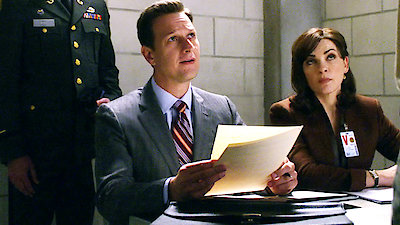
The Good Wife Season 3 Episode 9 Whiskey Tango Foxtrot
- TV-14
- November 20, 2011
- 42 min
-
7.9 (630)
In the compelling episode titled Whiskey Tango Foxtrot from Season 3 of The Good Wife, tensions run high as Alicia Florrick navigates the complex landscape of law, personal ethics, and the messy realities of relationships. As the episode unfolds, we find Alicia entrenched in a challenging case that tests her legal acumen and her moral compass. The stakes are elevated when she discovers that the case intertwines with broader political implications, thrusting her into a whirlwind of ambition and compromise.
The narrative opens with a gripping courtroom scene that sets the tone for the ensuing legal drama. Alicia, portrayed with depth and nuance, is faced with an eccentric yet dangerous adversary. As she gathers evidence and develops her strategy, we see her problem-solving skills come to the forefront. Yet, the case isn't merely about winning in court; it also involves navigating the turbulent waters of public opinion, owing to the high-profile nature of the litigants involved.
Alongside Alicia’s professional challenges, her personal life continues to be a focal point. The episode delicately explores her relationship dynamics with Peter, her estranged husband, and her evolving connection with Will Gardner, her colleague and confidant. The emotional undercurrents in her life spill into her work, providing a rich backdrop for character development. Alicia’s internal conflicts mirror the larger themes of loyalty and betrayal that run rampant in Washington D.C.'s political machinations.
Compounding the episode's tension is the involvement of the firm’s unusual clientele: a wealthy couple embroiled in an acrimonious divorce that brings to light previously hidden secrets and motives. As Alicia dives deeper into the case, she finds herself weighing the merits and fallout of potential compromises. The clash between personal ethics and the cutthroat nature of legal practice illustrates the daily dilemmas faced by those in her profession. Each revelation forces Alicia to confront her own principles, drawing the viewer into her plight.
As the story progresses, we are introduced to key secondary characters who add richness to the plot. Their interactions with Alicia reveal varied perspectives on the law and ethical behavior in a high-stakes environment. The witty banter and sharp dialogue provide comic relief amidst the dramatics, showcasing the show's signature balance of humor and intensity. Viewers will appreciate the dynamics between the core cast, particularly the way their relationships shift in response to their circumstances.
Meanwhile, the episode also features a subplot involving David Lee, whose tactical maneuvers within the firm bring to light the complexities of loyalty in business. His decisions, driven by ambition, further amplify the series' overarching themes of power and survival in the legal field. As David’s machinations unfold, Alicia is forced to reconsider her alliances and the consequences that come with them.
The pacing of Whiskey Tango Foxtrot is expertly crafted, maintaining suspense while allowing moments of introspection. The writing captures the frenetic energy of a law firm dealing with crisis management, complete with interruptions from clients and the constant race against time. As Alicia maneuvers through this chaos, she must also confront her personal challenges, setting the stage for a pivotal moment in her character’s journey.
Cinematically, the episode is beautifully shot, using visual storytelling to enhance the drama. The courtroom scenes are dynamic and engaging, with close-ups that capture the emotional stakes on each character's face. The score subtly underscores the tension, elevating critical moments without overshadowing the dialogue or action.
Overall, Whiskey Tango Foxtrot serves as a microcosm of The Good Wife’s exploration of the intersection of law and life, showcasing the pressures that come with striving for success while struggling to maintain personal integrity. This episode serves as a testament to Alicia Florrick's resilience and complexity as a character, cementing her status as a modern-day heroine faced with impossible choices. As the credits roll, viewers are left contemplating the intricacies of the cases we take on and the roles we play in each other's lives, both in and out of the courtroom.