The Six Wives of Henry VIII Season 1 Episode 4 Anne of Cleves
- TV-14
- January 22, 1970
- 90 min
-
8.6 (58)
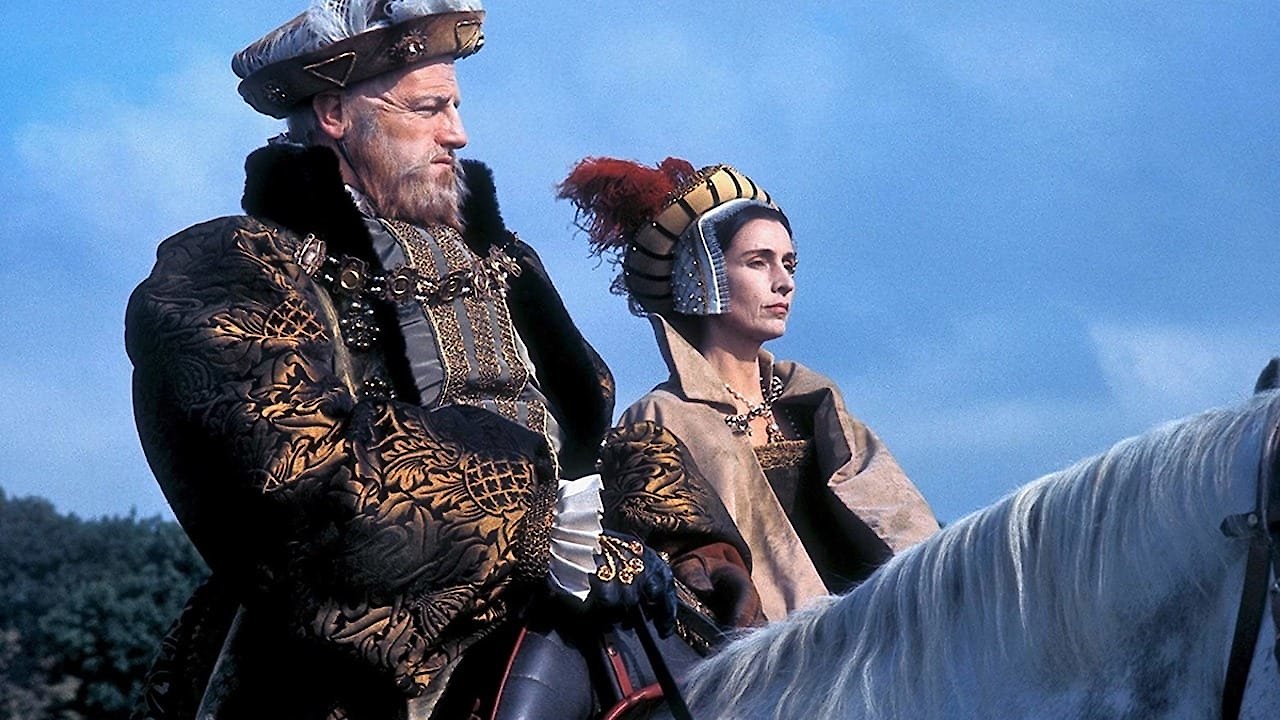
In the fourth episode of The Six Wives of Henry VIII, titled Anne of Cleves, viewers are transported to a tumultuous chapter in the life of one of England's most notorious monarchs. This episode delves into the intriguing and often dramatic relationship between King Henry VIII and his fourth wife, Anne of Cleves, a woman whose strength, resilience, and unexpected charm would forever change the course of English history.
The episode opens with the backdrop of a kingdom eager for stability and a king increasingly desperate for a male heir. Henry, portrayed as a ruler both charismatic and capricious, seeks to solidify political alliances through marriage. After his disastrous union with Anne Boleyn and the tragic end of Jane Seymour, Henry's eyes turn toward Europe, where he hears tales of a beautiful German princess. He believes that a marriage to Anne of Cleves will secure a powerful alliance with Protestant nations during a time of great religious strife.
Detailed and vivid cinematography brings to life the grandeur of the Tudor court and the political machinations of the time. The episode excels in exploring the tension behind closed doors, showcasing how Henry’s advisors plot and scheme to present the king with a suitable bride. Their descriptions of Anne are filled with exaggerated portrayals, leading to heightened expectations that loom heavily over the impending marriage.
As Anne of Cleves arrives in England, the narrative shifts to her perspective. Audiences are introduced to a bright and intelligent young woman, well aware of the stakes involved in her marriage, yet also determined to assert her own identity in this whirlwind of political maneuvering. The show's writers skillfully balance historical accuracy with dramatic narrative, allowing viewers to witness Anne's initial excitement turn to apprehension as she navigates the foreign customs of the Tudor court.
The episode not only depicts Anne's character but also highlights the stark contrasts between her and Henry. The king, now in his forties, grapples with insecurities regarding his age and appearance, further complicated by the lingering shadow of his previous marriages. Following their first meeting – a moment laden with tension and miscommunication – the chemistry between them is palpable yet awkwardly strained, leading to heart-wrenching misunderstandings that set the stage for the couple's tumultuous marital journey.
With each passing day, the rift between expectation and reality grows wider. The episode expertly illustrates Henry's growing disenchantment as he confronts the differences between Anne's true self and the image conjured by his advisors. His frustration is compounded by the pressures of court politics, as noblemen and courtiers express their opinions and judgments, revealing the often ruthless nature of Tudor society. This environment of constant scrutiny forces both Henry and Anne to confront their roles – the king as a ruler burdened by responsibility and the queen as a young woman attempting to find her place within a predetermined structure.
As the episode progresses, moments of levity are interspersed amid the escalating tension, providing viewers with a glimpse of Anne’s capacity for warmth and humor. It becomes clear that beneath the surface of a politically motivated marriage lies the potential for an unexpected companionship. The show artfully portrays Anne's efforts to win over Henry’s heart, as she showcases her courage and steadfastness in the face of adversity, challenging the prevailing narrative of her being merely a pawn in Henry’s game.
Through this interplay of ambitions and desires, Anne’s character continues to develop, revealing her depth and tenacity. The writing paints a nuanced picture of a woman attempting to carve out her own destiny in an era dominated by men. Her interactions with other women in the court add another layer of intrigue, showcasing the camaraderie and rivalries that existed within the confines of the palace.
The episode sets up a dramatic clash of wills between Henry, who is portrayed with an increasingly conflicted psyche, and Anne, whose fortitude stands in stark contrast to the king’s whims. As the story unfolds, the mounting pressures of political realities and personal desires swirl around them, culminating in a poignant exploration of love, duty, and the often fickle nature of fate.
In this richly woven narrative, Anne of Cleves emerges not just as a historical figure but as a symbol of resilience and strength, demonstrating that even in the shadow of great power, the fight for one’s own voice and happiness can alter the course of history. The audience is left eagerly anticipating the twists and turns that lie ahead, as both Henry and Anne must navigate the complexities of their marriage amid the fervor of the Tudor court.