The Tudors Season 4 Episode 7 Episode 7
- TVMA
- May 23, 2010
- 51 min
-
8.0 (587)
In the gripping installment of The Tudors, season 4, episode 7, viewers find themselves navigating the treacherous waters of political maneuvering and personal betrayal that define the court of King Henry VIII. The episode opens with a palpable tension that has been simmering throughout the previous episodes, laying the groundwork for both dramatic confrontations and tender moments.
Henry, played with intense charisma, is increasingly challenged by the complexities of his reign. With the kingdom’s stability hanging in the balance, he must grapple with issues that plague his rule, including dissent among his nobles and the growing influence of the Protestant Reformation sweeping through England. The episode intricately explores Henry's psyche as he wrestles with the burden of kingship, the expectations of his advisors, and his all-consuming desire for a male heir.
This episode further develops the dynamic between Henry and his remaining queens. The relationship between Henry and his fourth wife, Jane Seymour, is tested as the reality of court politics takes its toll on their marriage. Jane’s quiet strength and nurturing nature stand in stark contrast to the chaos that surrounds them, but her position is precarious. As whispers of discontent and rivalry circulate, Jane must navigate her own ambitions while staying loyal to a husband whose affections are as fleeting as the winds of change.
On the other hand, Anne of Cleves, though an initially advantageous political alliance, struggles to establish her place in Henry’s heart and court. Her attempts to win Henry’s favor are met with mixed results, resulting in touchy negotiations and a growing sense of alienation. This episode sharply portrays Anne's internal conflict as she seeks to carve out her own identity amid her husband's shifting attention.
The political landscape surrounding Henry is rife with characters who grapple with their ambitions and loyalties. Cardinal Wolsey’s legacy still looms large over the court, and those seeking to fill his shoes are faced with the formidable challenge of maneuvering through Henry’s erratic whims and the ever-present threat of the king’s wrath. Through strategic alliances and calculated betrayals, key characters reveal their true intentions, sparking a blend of intrigue and uncertainty.
As tensions rise, so does the exploration of themes such as love, loyalty, and the brutal realities of striving for power. This episode is notable for its intricate plot lines that weave together the personal and the political, showcasing how closely linked they are. The characters are relentlessly faced with moral dilemmas, forcing them to confront their own values and the lengths they will go to protect their interests.
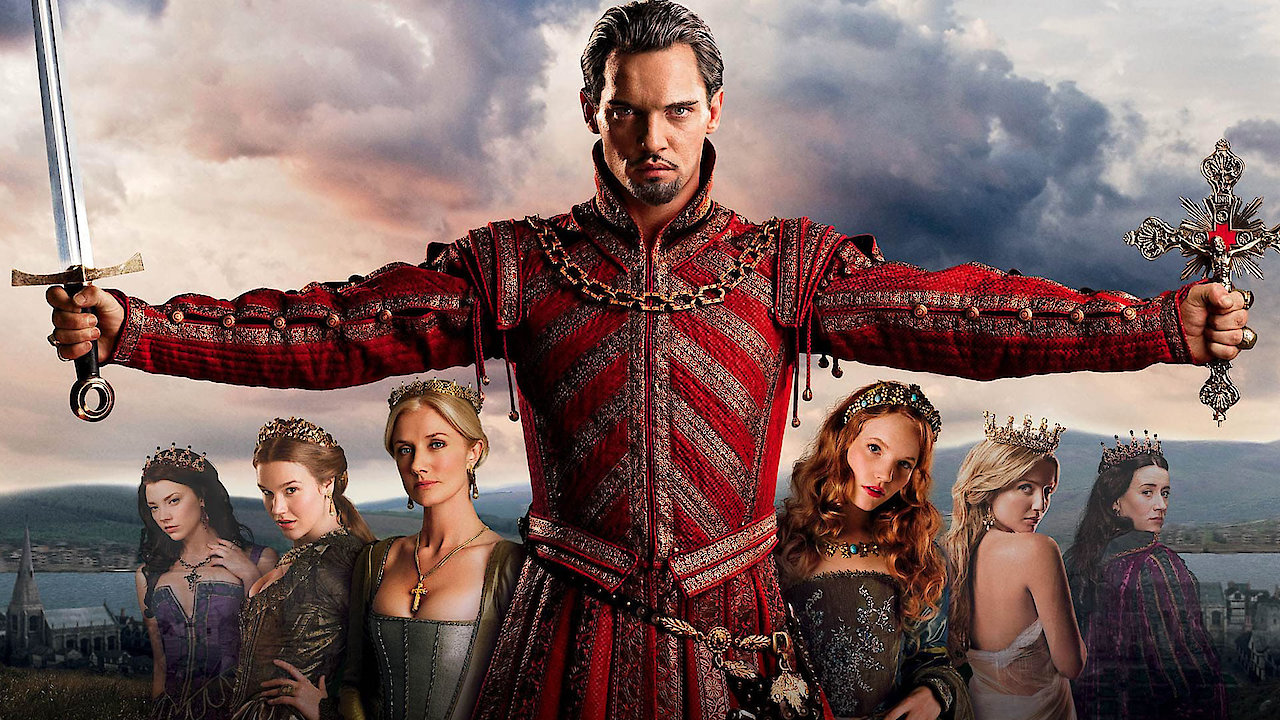
Visually, the episode is striking, featuring lavish costumes and meticulously crafted set designs that transport viewers to the opulence and decay of the Tudor court. The cinematography captures the beauty and underlying darkness of the time, contrasting the grandeur of the royal palace with the shadows of betrayal that loom large. Each scene is meticulously composed, inviting the audience to immerse themselves in the rich tapestry of Tudor history.
Throughout the episode, dialogues bristle with tension and wit, articulating the complex relationships between characters. Moments of hushed exchanges reveal the fragility of alliances, while heated arguments convey the fiery passions that drive these historical figures. The writing deftly balances dramatic moments with lighter interactions, providing a rich spectrum of human experience within the cold confines of political ambition.
An essential aspect of this episode is the growing influence of women in the court, examining how they navigate their roles and assert their power, often in subtle yet impactful ways. As they face the whims of Henry and the machinations of their peers, these women exemplify strength and resilience, shaping the course of their destinies.
As the episode reaches its climax, the interplay of power, familial loyalty, and personal sacrifice emerges as pivotal themes. The actions that unfold set the stage for long-term repercussions that will echo in the lives of Henry and those around him. Viewers are left in suspense, eagerly anticipating how the unfolding drama will alter the course of history for the Tudor dynasty.
Ultimately, season 4, episode 7 of The Tudors serves as a compelling exploration of the intricate web of relationships and power dynamics at play in the court of Henry VIII. It is a testament to the complexities of human nature, the drive for power, and the heart-wrenching choices that define a legacy.