Web Therapy Season 2 Episode 11 Electile Dysfunction
- September 9, 2012
-
8.6 (70)
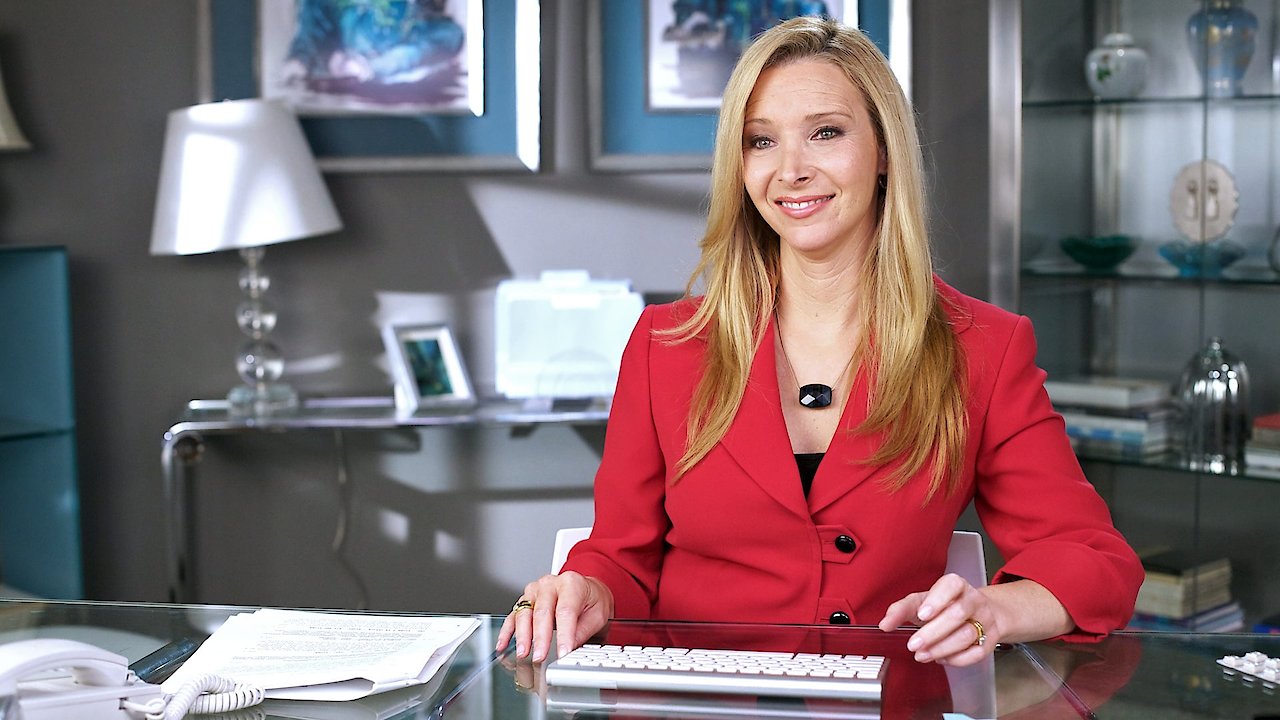
In the eleventh episode of Season 2 of Web Therapy, titled Electile Dysfunction, the series delves into the intersection of politics and personal crises, showcasing the unique pressures faced by individuals amidst an election season. Fiona Wallice, portrayed by the ever-charismatic Lisa Kudrow, takes center stage once again, bringing her unconventional online therapy methods to a new level of absurdity.
As the plot unfolds, viewers are introduced to a swirl of colorful, often eccentric characters who come seeking Fiona’s help, each grappling with their own set of challenges exacerbated by the high-stakes political environment. With an election looming, tensions run high, and her clients’ neuroses interweave with their political anxieties, creating a fertile ground for both comedy and insight.
The episode captures the essence of Fiona’s distinctive approach to therapy—often bizarre, frequently hilariously misguided, and unwaveringly self-centered. Through video chat sessions that epitomize the 21st-century shift in counseling, Fiona attempts to help her clients navigate through their dysfunctionalities, all while revealing a few of her own.
The issues faced by the clients are as diverse as the characters themselves. Some are struggling with their political identities, caught between competing ideologies and a sense of existential dread about the direction of the country. Others find their deeply personal issues poignantly mirrored in the larger political landscape, highlighting how closely our private lives can align with public sentiment. Through humor and wit, the episode illustrates the real-life implications of political controversies and the often chaotic grip they have on individuals’ mental states.
Meanwhile, Fiona remains blissfully oblivious to her own shortcomings and the impact they have on those around her. Her interactions are fraught with misunderstandings, as she prioritizes her own agenda over the genuine needs of her clients. As her sessions unfold, the audience witnesses a confluence of hilarity and pathos, with each interaction exposing deeper truths about human behavior, especially during tumultuous times.
The writing is sharp and satirical, offering a critical yet amusing commentary on the state of politics and mental health in today’s society. The episode cleverly critiques the ways in which people cope with the uncertainties of the world around them, often through eccentric behaviors or misguided beliefs. Fiona’s clients come to symbolize a broader societal malaise—an anxiety that becomes almost contagious, reflecting the collective turmoil of a population grappling with significant decisions and the fear of change.
As the episode progresses, Fiona’s unconventional therapy methods are put to the test. The dynamic exchanges with her clients lead to unexpected revelations and humorous situations that are both entertaining and thought-provoking. Fiona’s unique brand of “therapy”—largely centered around her own opinions and an almost nonchalant approach to others’ struggles—raises questions about the very nature of mental health and support in a crisis.
Electile Dysfunction also addresses themes of power dynamics, not just in politics but within the personal relationships of the characters. As tensions rise, the episode cleverly showcases how political ideologies can fracture friendships, partnerships, and familial bonds. This exploration serves as a reminder that our roles as citizens extend beyond the ballot box, influencing our connections and interactions in myriad ways.
In true Web Therapy fashion, the episode culminates in whip-smart dialogue and engaging performances that leave viewers simultaneously laughing and reflecting. The interplay between the absurdity of Fiona’s techniques and the genuine vulnerabilities of her clients creates a rich tapestry of comedy laced with poignant moments of self-discovery.
Through Electile Dysfunction, the series not only entertains but also poses deeper questions about our societal landscape, the influence of politics on mental well-being, and the complexities of human connection in times of stress. Lisa Kudrow’s performance continues to shine, blending her comedic prowess with a depth that allows for both levity and serious consideration.
In its signature style, the episode promises to capture the viewer's attention with its clever writing and relatable dilemmas, ensuring that audiences will be both amused and provoked to think about the broader implications of the chaotic political climate on personal well-being. As the countdown to the election continues within the plot, viewers are left wondering how the personal and political will intertwine—and what that means for Fiona and her clients as they navigate their quirky paths toward resolution.