A Traveler's Guide to the Planets Season 1 Episode 5 Neptune and Uranus
- TV-PG
- February 16, 2010
- 46 min
-
7.7 (25)
In the fifth episode of A Traveler's Guide to the Planets, titled Neptune and Uranus, viewers are taken on an exhilarating journey to the outer regions of our solar system, where two of its most enigmatic giants reside. These ice giants, often overshadowed by their larger gas-dominated cousins, Jupiter and Saturn, come into the spotlight as the episode delves into their unique characteristics, vibrant atmospheres, and the mysteries that surround them.
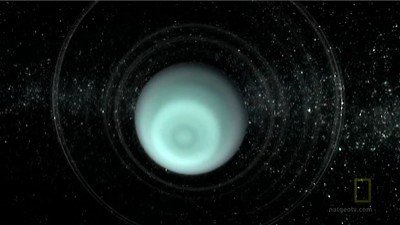
The episode opens with stunning visuals of Neptune and Uranus, showcasing their striking azure and deep blue hues. The hosts guide viewers through the complexities of these planets, starting with Uranus, which is unlike any other planet in the solar system. With its distinctive tilted axis, Uranus rotates almost on its side, prompting fascinating discussions about the implications of such an unusual orientation. This unusual tilt leads to extreme seasonal variations, which the episode expertly illustrates through computer-generated imagery and insightful commentary from planetary scientists.
As the narrative unfolds, viewers learn about the discovery of Uranus and the technological advancements that have allowed humanity to glimpse this distant world. The episode shares intriguing historical anecdotes, highlighting the contributions of astronomers who first studied Uranus and how this paved the way for further exploration of the outer planets. In particular, the episode emphasizes the role of the Voyager 2 spacecraft, which provided the first close-up images of Uranus and revealed its complex ring system and numerous moons.
Transitioning to Neptune, the episode captures the majestic beauty of this remote planet. Focused on its wild weather patterns and dynamic atmosphere, viewers are treated to spectacular footage that portrays Neptune's intense storms, including the famous Great Dark Spot, a colossal storm system that mirrors Jupiter's Great Red Spot. The episode discusses the science behind these storms, drawing on the latest research that explores Neptune’s unpredictable and powerful weather systems.
The show's hosts engage in endearing discussions about the challenges faced by scientists in understanding Neptune's atmosphere, which harbors winds that can exceed supersonic speeds. Using data from previous missions and ongoing observations, the episode illuminates the current theories regarding the composition of Neptune’s clouds and the turbulent conditions that define its climate.
Moreover, the episode shines a light on the icy compositions of Neptune and Uranus, drawing comparisons and highlighting their differences. As both planets are classified as ice giants, their core structures and atmospheric components provide a deep insight into the processes that govern planetary formation. The program explains how the presence of water, ammonia, and methane contribute to the dynamic weather and stunning colors seen in their atmospheres.
To enrich the viewing experience, A Traveler's Guide to the Planets introduces segments devoted to the intriguing moons of Neptune and Uranus. Each moon serves as a window into the history and evolution of its respective planet, and the episode treats viewers to captivating visuals of notable moons such as Triton, which is unique for its retrograde orbit and geysers that spew nitrogen gas into space. The hosts engage in a lively exploration of these moons, sharing the latest findings about their geological activity and potential for harboring life.
In addition to the scientific insights, viewers will appreciate the episode's artistic interpretation of these planets. Through a combination of stunning graphics, artistic renditions, and immersive soundscapes that evoke the ambiance of these distant worlds, audiences are transported to the far reaches of our solar system. The use of vibrant color palettes and audio design enhances the overall viewing experience, making each moment captivating and informative.
As the episode approaches its conclusion, it reflects on the future of exploration in the distant realms of Neptune and Uranus. The hosts discuss potential missions and the exciting prospects of sending more advanced technology back to these ice giants. By integrating interviews with scientists and engineers, viewers gain an understanding of the challenges and aspirations of modern space exploration.
In Neptune and Uranus, A Traveler's Guide to the Planets masterfully combines breathtaking visuals, expert commentary, and engaging storytelling to reveal the wonders of these lesser-known planets. The episode serves as both an educational exploration of planetary science and a captivating narrative about the intrinsic beauty and complexity of our solar system's outer realms. Viewers will come away with a deeper appreciation for the ice giants and the ongoing quest to unlock the secrets that lie within their mysterious atmospheres.