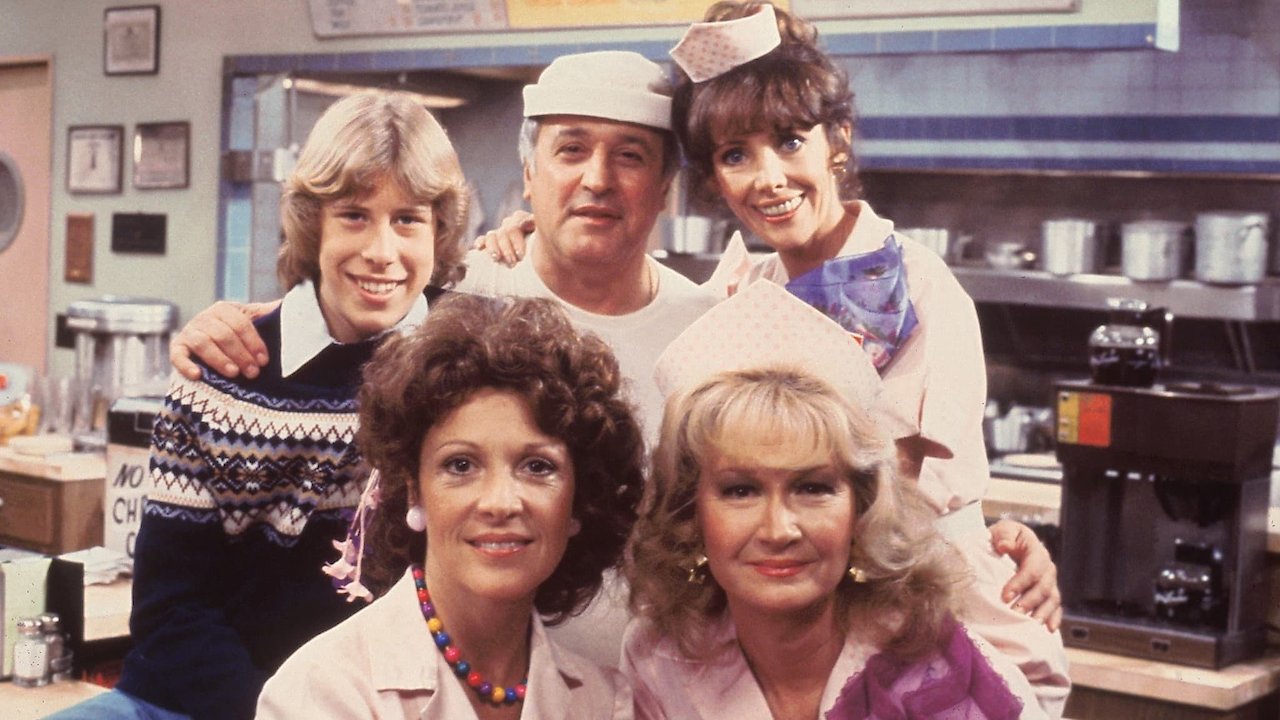
Alice (1976) Season 5 Episode 14 Alice's Son, The Drop-out
- TV-NR
- February 15, 1981
- 24 min
In the heartwarming and often humorous world of Alice, season 5 episode 14, titled Alice's Son, The Drop-out, the focus is on the complex relationships within the family dynamics of Alice Hyatt, her friends, and particularly her son, Tommy. As the episode unfolds, viewers are taken on an emotional journey that touches on themes of ambition, the pursuit of happiness, and the inevitable struggles that come with growing up.
The episode begins with Alice, who has always been a dedicated single mother, seeing Tommy return home after a stint at college. Initially, she is thrilled by his visit, but her excitement quickly turns to concern when she discovers that Tommy has made the controversial decision to drop out. His choice leaves Alice questioning everything she thought she knew about her son’s aspirations and future.
As the narrative unfolds, Alice finds herself at a crossroads, torn between the desire to support her son's dreams and the instinct to guide him toward a more traditional path of stability that she feels is important for his future. The conversations between Alice and Tommy are laced with sincerity, humor, and the occasional tension, mirroring the real-life challenges that many parents face when their children make choices that diverge from societal expectations.
In classic Alice fashion, the episode balances serious themes with lighthearted moments. The diner crew, including the ever-enthusiastic Vera and the wise-cracking Mel, offer comedic relief while also providing different perspectives on young adulthood. Their banter serves as both entertainment and a way to critique the sometimes misguided expectations we place on the younger generation.
Throughout the episode, viewers witness Tommy grappling with his dreams and the realities of life. He expresses frustration with the academic pressures that he feels stifled his creativity and passions. This internal struggle is relatable to anyone who has ever felt lost or out of sync with societal norms. Alice, resilient and loving, tries to reassure him that his happiness matters more than traditional pathways to success while also expressing her fears for his future.
The episode also emphasizes the significance of friendship and support systems during tough times. Alice relies on her friends to help her navigate this turbulent period. Their insights and camaraderie illustrate the power of community in fostering resilience. Each character brings a unique angle to the discussion about education, personal fulfillment, and the importance of following one’s passion, proving that there are many paths to happiness.
As the story progresses, there are moments of reflection and humorous misunderstandings that highlight the sitcom’s signature charm. Alice’s interactions with other diner patrons and staff create endearing scenarios that resonate with viewers, reminding them of the simpler pleasures of life amidst personal chaos. The writers skillfully weave profound moments between characters with laugh-out-loud situations, ensuring that the episode remains entertaining while delving into deeper life lessons.
By the episode’s conclusion, the audience is left reflecting on the definitions of success and the individuality of each person’s journey. Alice learns that supporting Tommy doesn’t mean losing her own aspirations as a mother, but rather balancing her dreams for him with the respect for his choices. This realization serves as a poignant reminder of the evolution of parent-child relationships—navigating the delicate balance between protection and independence.
Alice’s Son, The Drop-out ends on a hopeful note, as both Alice and Tommy take steps toward understanding one another better. The episode encourages viewers to consider what it truly means to pursue happiness and how important it is for families to communicate openly about their hopes and fears.
With its brilliant mix of heart, humor, and the trials of modern parenting, this episode of Alice resonates deeply with anyone who has ever faced the challenge of bridging generational gaps. It serves not only to entertain but also to inspire conversations about dreams, failures, and the unconditional love that binds families together, ensuring that the audience remains engaged from start to finish.