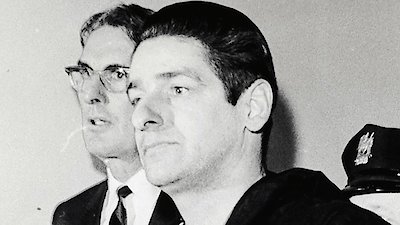
Born To Kill Season 2 Episode 2 Albert DeSalvo
- February 27, 2011
- 45 min
Born to Kill returns with a gripping episode in its second season, focusing on one of the most notorious figures in American criminal history: Albert DeSalvo, infamously known as the Boston Strangler. This episode delves into the complex psyche of DeSalvo, exploring how he evolved from a troubled youth to a man who would go on to disturb the peace of an entire city.
The episode opens with a backdrop of 1960s Boston, a city grappling with a growing sense of fear and paranoia as a series of brutal murders shatter its peace. Through vivid cinematography and atmospheric sound design, viewers are transported to a time and place where the tension is palpable. As the narrative unfolds, we are introduced to DeSalvo's early life, marked by abuse and neglect, providing a foundation for understanding his later actions. The episode employs a mix of interviews, archival footage, and dramatic reenactments to paint a comprehensive picture of his life and the societal factors that contributed to his descent into darkness.
Viewers will gain insight into DeSalvo's family dynamics and the early signs of his troubling behavior. The episode highlights critical moments in his formative years, depicting his relationships with family members and peers that further shaped his growing disconnection from societal norms. As it delves into his adolescent mischief, the narrative hints at the hidden depths of his personality—qualities that would eventually morph into something far more sinister.
As the story progresses, the episode skillfully transitions to the burgeoning crime wave that would characterize DeSalvo's adult life. It examines the chilling circumstances surrounding the Boston Strangler murders, emphasizing the investigative challenges that law enforcement faced during this tumultuous period. Viewers are taken behind the scenes of the police investigations, showcasing the desperation and tireless efforts of detectives who are racing against time to apprehend a faceless killer. The pressure mounts as the media frenzy intensifies, creating an atmosphere of hysteria and dread among Boston's citizens.
The portrayal of various victims throughout the episode is handled with sensitivity and respect. Each woman's story is briefly shared, offering a glimpse into their lives and how their tragic fates underline the broader implications of DeSalvo's actions. This approach not only humanizes their experiences but also serves as a stark reminder of the real consequences of his violent tendencies.
Interwoven with the narrative is a deep exploration of DeSalvo's motivations and methods. The episode delves into the psychological aspects of his behavior, calling upon expert analyses and profiles from criminologists. This examination reveals the disturbing patterns that defined DeSalvo's crimes—the calculated precision and a chilling sense of brutality. As the viewer learns about his modus operandi, the boundary between predator and prey blurs, forcing the audience to confront the harrowing complexities of evil.
Throughout the episode, the tension builds as investigators draw closer to piecing together the profile of the elusive Strangler. Viewers are taken on a rollercoaster ride of emotions as the episode alternates between the chilling details of the murders and the mounting pressure on law enforcement. The race against the clock adds a thrilling element as detectives delve into the mind of a killer, navigating through a labyrinth of leads and false accusations while grappling with the growing anxiety of Boston's residents.
As the episode reaches its climax, viewers are confronted with the ramifications of DeSalvo's actions—not just for him but for the society that became a victim of his heinous acts. The narrative thoughtfully poses questions about morality, justice, and the societal structures that allow such darkness to fester. It compels the audience to reflect on the nature of evil and the fine line between victim and offender, as the horrific deeds of one man ripple outward, affecting countless lives.
Born to Kill's exploration of Albert DeSalvo is a haunting portrayal of a criminal mind, emphasizing both the horror of his actions and the impact on the victims and the city as a whole. The episode does an admirable job of balancing an engaging narrative with a respectful approach to the sensitive subject matter, ensuring that the focus remains on understanding the complexities of human behavior in the face of unimaginable darkness.