Engineering Catastrophes Season 4 Episode 9 Suez Canal Catastrophe
- TV-PG
- August 25, 2021
- 42 min
In this episode of Engineering Catastrophes, the focus is on the Suez Canal, one of the most important shipping routes in the world. The canal, which connects the Red Sea with the Mediterranean, has been a vital trade artery for over a century, but a disaster in 2021 brought it to a standstill.
The episode begins by providing some context about the canal, including its history and importance. Viewers learn that the canal is an engineering marvel, spanning over 100 miles and featuring an intricate system of locks and channels that allow ships to pass through the narrow waterway. The canal is responsible for the passage of over 10% of global trade, including oil, goods, and livestock, making it a crucial part of the world's economy.
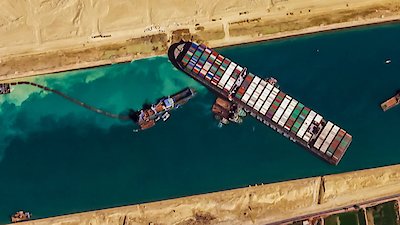
The episode then transitions to the disaster that occurred in March 2021, when the Ever Given, a massive container ship, became lodged in the canal, blocking all traffic for nearly a week. The episode explores what happened and why, using experts and data to piece together the events leading up to the crisis.
One of the factors that contributed to the catastrophe was the sheer size of the Ever Given, which was one of the largest container ships in the world. The ship was over 1300 feet long and weighed over 200,000 tons, making it difficult to steer and maneuver in the narrow canal. Another issue was the winds, which were particularly strong on the day the Ever Given became stuck. The gusts were so powerful that they may have pushed the ship off course, causing it to drift into the side of the canal and become stuck.
The episode also delves into the role of the canal's pilots, who are responsible for guiding ships through the waterway. While pilots are highly skilled and trained, some have suggested that there may have been communication breakdowns or errors that contributed to the Ever Given's mishap. The episode examines the process of piloting a ship through the canal and the challenges that pilots face, including tight schedules and crowded shipping lanes.
As the crisis continued, the world watched and waited to see what would happen. The episode shows footage and interviews from the time, highlighting the scope of the disaster and the efforts to free the Ever Given. Engineers and salvage crews worked around the clock, using tugs, dredgers, and other equipment to try and dislodge the ship. The episode explores the technology and strategies used to unstick the Ever Given, as well as the limitations and risks involved.
Ultimately, after almost a week of being stuck, the Ever Given was freed and traffic resumed in the canal. The episode concludes by reflecting on the impact of the crisis, including the economic costs and lessons learned. Engineers and experts discuss what can be done to prevent similar catastrophes in the future, whether through improved technology, better protocols, or other strategies.
Overall, the Suez Canal Catastrophe episode of Engineering Catastrophes offers a fascinating look at a major engineering disaster and the efforts to overcome it. Through a blend of expert analysis, firsthand accounts, and stunning footage, the episode presents a nuanced and compelling exploration of the challenges and complexities of engineering on a global scale.
