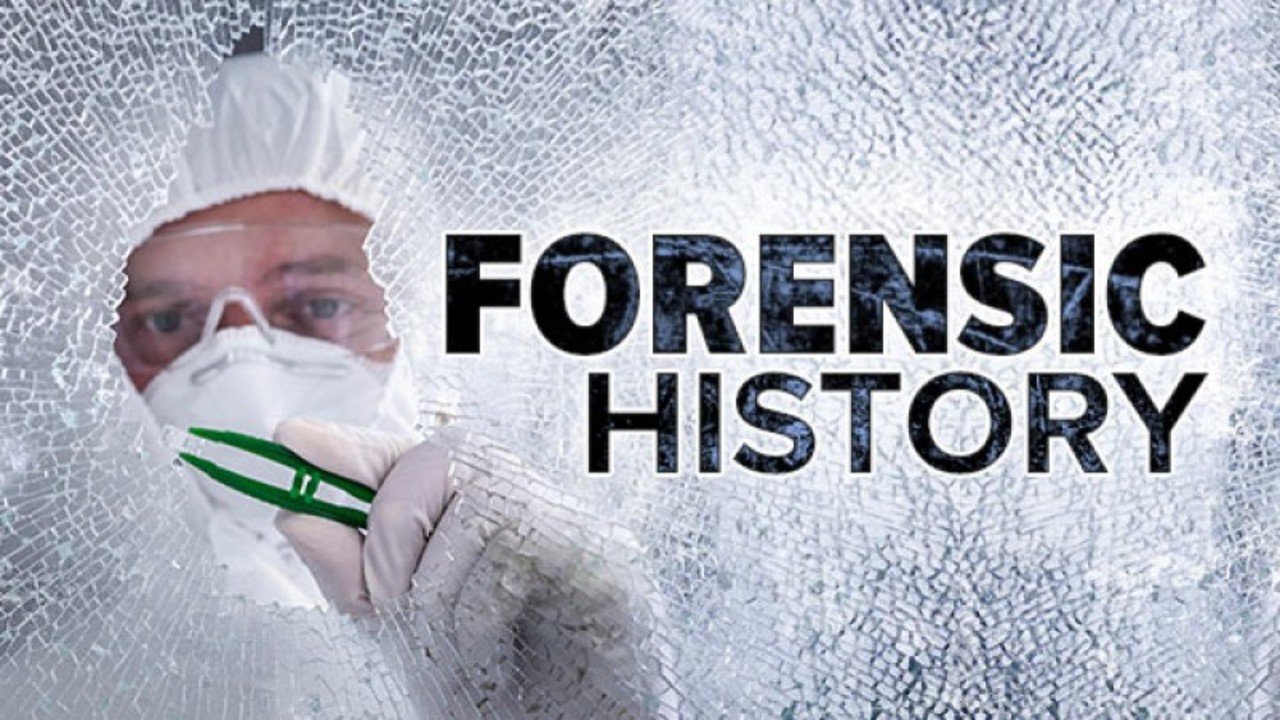
Forensic History: Crimes, Frauds, and Scandals Season 1 Episode 4 Decomposition and Confusing Interpretations
- TV-PG
- December 15, 2014
- 29 min
Forensic History: Crimes, Frauds, and Scandals season 1 episode 4, titled "Decomposition and Confusing Interpretations," explores the challenging aspects of forensic science when dealing with cases involving decomposed bodies and the conundrums that arise when interpreting evidence.
The episode begins with an overview of the stages of decomposition and how forensic scientists use this knowledge to estimate the time of death. In one case, detectives had to rely on insects found on a decomposing body to determine how long it had been there. They discovered that the victim was murdered ten days before they found the body, leading them to narrow down the suspect list.
Next, the episode delves into the challenges of identifying a decomposed body when there are no obvious physical features left. Forensic anthropologists use a range of techniques, such as facial reconstruction, isotopic analysis, and dental records, to identify the victim and catch the perpetrator. In one compelling case, forensic anthropologists used isotopic analysis to identify the nationality of the victim and ultimately solved the case.
The episode then moves on to explore some confusing interpretations of forensic evidence that can make a significant difference in a case. One such example is the use of cadaver dogs in finding buried bodies. Although highly trained, these dogs are not infallible, and their alerts can be misinterpreted, leading investigators on wild goose chases. In one case, the cadaver dog alerted to human remains, but the investigators found nothing when they dug up the alerted site. Later, a medical examination found that the human remains were in fact in the same area but in a different location, leading the investigators to the actual body.
The episode then moves onto the topic of forensic linguistics - the study of language patterns. Experts in forensic linguistics can analyze speech patterns, word choice, and punctuation to identify authors of anonymous letters or online threats. However, this evidence is not always straightforward, as language patterns can be misleading or coincidental. In one case, a forensic linguist was called in to analyze a threatening message and identify the author. The language patterns pointed to a specific suspect, but further investigation revealed that the message was, in fact, sent by a different person.
The episode wraps up with a discussion of the challenges of presenting forensic evidence in court and how these complicated scientific issues can be confusing for a jury. Experts need to explain the science behind their findings and use plain language to communicate their findings. They also need to be careful not to overstate their conclusions or engage in confirmation bias. The episode ends by emphasizing the importance of thorough investigations and the need to consider all options before coming to conclusions.
Overall, Forensic History: Crimes, Frauds, and Scandals season 1 episode 4, "Decomposition and Confusing Interpretations," highlights the complexities of forensic science when dealing with decomposed bodies and the challenges associated with confusing evidence. The episode emphasizes the importance of scientific rigor, thorough investigations, and clear communication of findings in solving crimes and bringing justice to victims.
