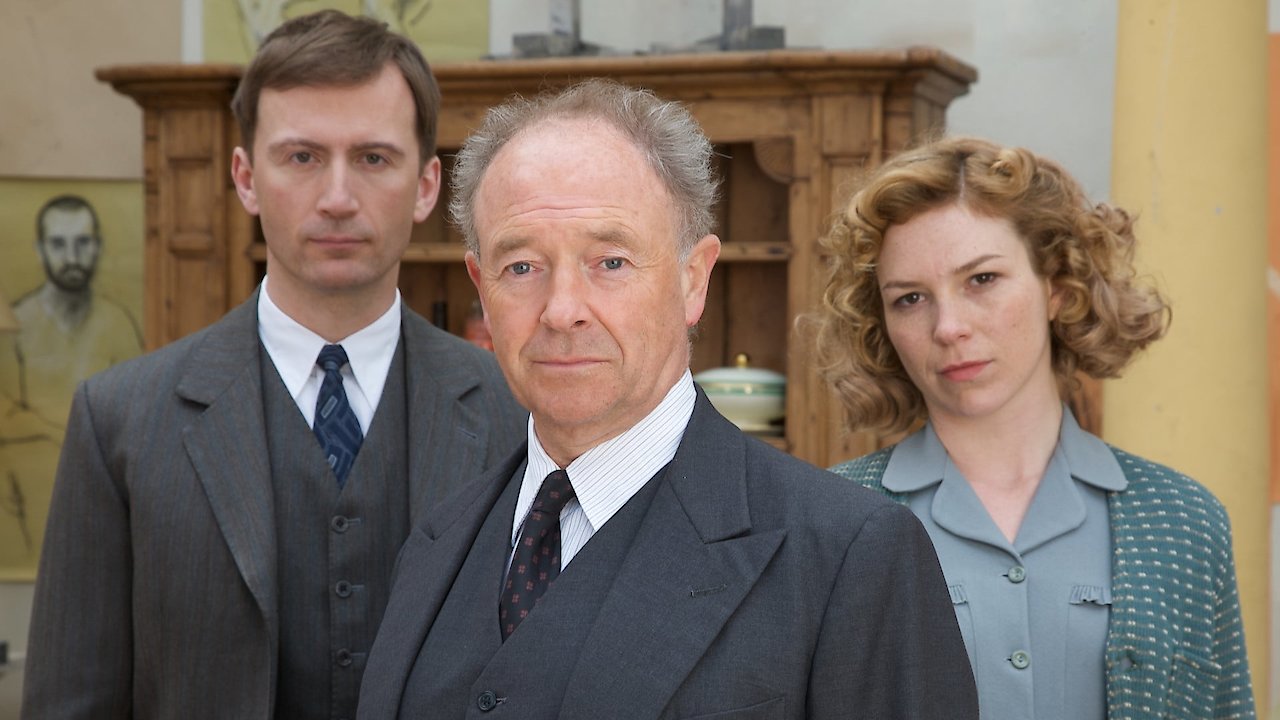
Foyle's War Season 7 Episode 3 The Hide
- TV-NR
- July 16, 2010
- 88 min
-
8.9 (780)
In the captivating third episode of season 7 of Foyle's War, entitled The Hide, viewers are once again immersed in the tumultuous backdrop of post-World War II England. The episode delves deeply into the moral complexities and societal upheaval that follow the end of a global conflict, highlighting the struggles faced by returning soldiers and the changing dynamics of a country grappling with the scars of war.
As the narrative unfolds, Detective Chief Superintendent Christopher Foyle, portrayed masterfully by Michael Kitchen, is drawn into a case that initially appears straightforward but quickly unravels to reveal the intricate threads of human behavior, secrecy, and deception that define the era. Foyle, now retired from his position within the police force but still sharply attuned to injustice and the nuances of human nature, finds himself compelled to investigate a crime that strikes at the heart of familial bonds and community loyalty.
The Hide begins with a shocking incident that sets the tone for the episode: a young woman is discovered dead under mysterious circumstances, stirring unrest among the local populace. The circumstances surrounding her death provoke both sympathy and suspicion, revealing the uncomfortable truths about life in Hastings during this challenging period. Foyle is called upon to lend his investigative expertise, exacerbating his own internal conflict as he weighs his personal sense of duty against the desire to live a peaceful life away from the fray.
Foyle’s trusted associate, Sergeant Paul Milner, played by hone musician and actor Anthony Howell, joins him in this pursuit of truth. Milner, emerging from his own challenges and traumas of war, offers a grounded perspective and a readiness to confront the darker aspects of human nature. Together, they navigate the complexities of the investigation, encountering a diverse cast of characters who each bring their own baggage and motivations to the table.
As the duo digs deeper, Foyle and Milner uncover a web of secrets that intertwine the deceased woman’s life with a network of individuals tied closely to her past. These characters include a grieving family that struggles with loss, a community grappling with guilt and fear, and veterans who find it hard to reintegrate into a society that has changed in their absence. Each interview reveals layers of complexity, forcing Foyle to confront his own perspectives on duty, sacrifice, and the shifting moral landscape of a post-war society.
Throughout the episode, Foyle's commitment to justice shines brightly against the murky moral dilemmas his investigation presents. The show presents a haunting reflection on the ramifications of loss and the gray areas of human experience, challenging viewers to ponder difficult questions about loyalty and betrayal. The cinematography captures the stark beauty of the English coastline, emblematic of a country still healing from the wounds of war, and serves as a fitting backdrop for the emotional depth of the unfolding drama.
The Hide also weaves in elements of social commentary, spotlighting the gender dynamics of the time. The female characters are portrayed not merely as victims but as complex individuals who navigate their own struggles, contributing richly to the overall narrative. Foyle's nuanced interactions with these women highlight the evolving roles and expectations within society, making this episode particularly resonant for contemporary audiences.
With each revelation, viewers are drawn deeper into the world of Foyle's War, eager to uncover the truth while grappling with the moral quandaries that arise. The tension mounts as time progresses, leading to poignant moments of reflection that resonate on both personal and societal levels. The pacing is deliberate, allowing the audience to fully digest the emotional weight of each scene and the intricacies of the investigation.
As the episode builds towards its conclusion, Foyle's unyielding dedication to unearthing the truth brings to light the broader themes of justice, memory, and the cost of war—not only on those who fought but also on the society they return to. The Hide encapsulates the series' trademark blend of historical intrigue and character-driven storytelling, making it a compelling chapter in Foyle's ongoing journey.
As the credits roll, viewers are left with lingering reflections on the nature of truth and the shadows it casts on our lives. The Hide ultimately reinforces the enduring appeal of Foyle’s War, a series that masterfully intertwines the personal and the historical, leaving audiences eager for the next installment of this poignant and captivating story.