History Detectives Season 2 Episode 10 Pretty Boy Floyd Handgun; Paul Cuffee Muster Roll; Pop Lloyd Baseball Field
- September 13, 2004
In episode 10 of season 2 of History Detectives, the team comes across three intriguing objects that have a unique history behind them. The episode titled "Pretty Boy Floyd Handgun; Paul Cuffee Muster Roll; Pop Lloyd Baseball Field" covers the investigation of these objects and their respective stories.
The first object that the team investigates is a .38-caliber revolver that allegedly belonged to notorious bank robber Charles "Pretty Boy" Floyd. The gun was found on a farm in Oklahoma, and the current owner believes that Floyd hid the weapon on the property during his time on the run. The team looks into the history of Floyd and his infamous crimes, as well as the possibility of the gun being connected to him. They also get an expert to analyze the gun and see if it matches the type of firearm used by Floyd in his robberies.
The second object that the team investigates is a mustering roll from 1815 that belonged to Paul Cuffee. Cuffee was an African American entrepreneur and philanthropist who also had a career as a sea captain. The team investigates the history behind the mustering roll, which lists the names of sailors who worked for Cuffee on one of his ships during the War of 1812. They also delve into Cuffee's life and legacy, including his crusade against the slave trade.
The final object that the team investigates is a baseball field located in Atlantic City that is named after John Henry "Pop" Lloyd, a famed Negro League baseball player. The team investigates the history of Lloyd and the Negro Leagues, including the challenges that black players faced in a segregated society. They also look into the history of the baseball field and discover why it was named after Lloyd, who was known for his prowess on the field and his leadership off of it.
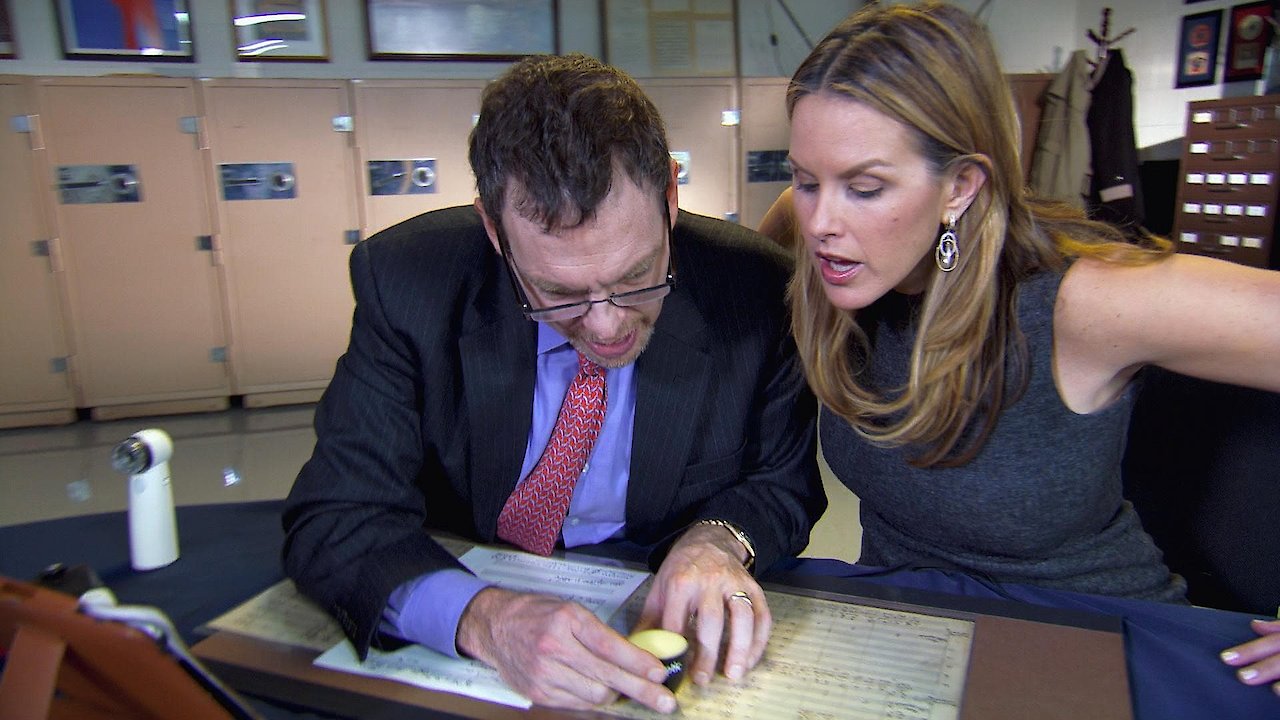
Throughout the episode, the team uses a variety of investigative techniques to uncover the stories behind these objects. They conduct interviews with experts, analyze historical documents and records, and use scientific techniques to analyze the physical properties of the objects themselves. The team also explores the broader historical contexts surrounding these objects, such as the impact of the Great Depression on crime in America or the struggle for civil rights in the United States.
Overall, the episode provides a fascinating glimpse into the history behind these three objects and the people and events that shaped their stories. The investigations are thorough and engaging, and the team's dedication to uncovering the truth behind these objects is evident throughout. This episode is a must-watch for anyone interested in American history and the ways that our past shapes our present.
