How It's Made Season 22 Episode 13 Berets, Pastis, and Stationary Bikes
- TVG
- September 17, 2017
- 21 min
-
(11)
In this episode of How It's Made, we get a sneak peek into the production process of three very different items - berets, pastis, and stationary bikes.
We start off in France, where the traditional beret has been a fashion staple for centuries. We see how the process of making a beret starts with selecting the right type of wool, which is then washed and dyed to the desired color. Once the wool is ready, it is spun into yarn and sent to a specialized hat factory. There, the yarn is knitted into beret shapes using traditional machines, and the unfinished berets are then hand-stretched over metal molds to give them their distinctive shape. Finally, the berets are washed, steamed, and blocked into their final form, ready to be shipped around the world.
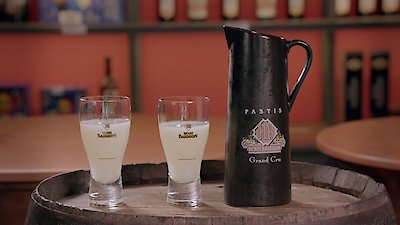
Next up, we travel to the south of France to learn how one of the region's most famous beverages is made - pastis. First, we see how the key ingredients - anise, star anise, and licorice - are sourced from around the world. These are then distilled with other botanicals to create a concentrated flavoring agent, which is blended with water and sugar to create the finished drink. We also learn about the unique ritual of preparing and serving pastis, which involves pouring the spirit into a glass and adding water to create a cloudy, refreshing drink.
Finally, we head to a gym in the USA to see how stationary bikes are made. We witness the high-tech production process, which involves molding, welding, and assembling the various components that make up a modern exercise bike. We also learn about the latest innovations in bike design, such as adjustable resistance and built-in workout tracking, which help riders get the most out of their workouts. Throughout the episode, we see how these very different items - a fashion accessory, an alcoholic beverage, and an exercise machine - are all made with precision and care, and reflect the rich cultural and technological traditions of their makers.