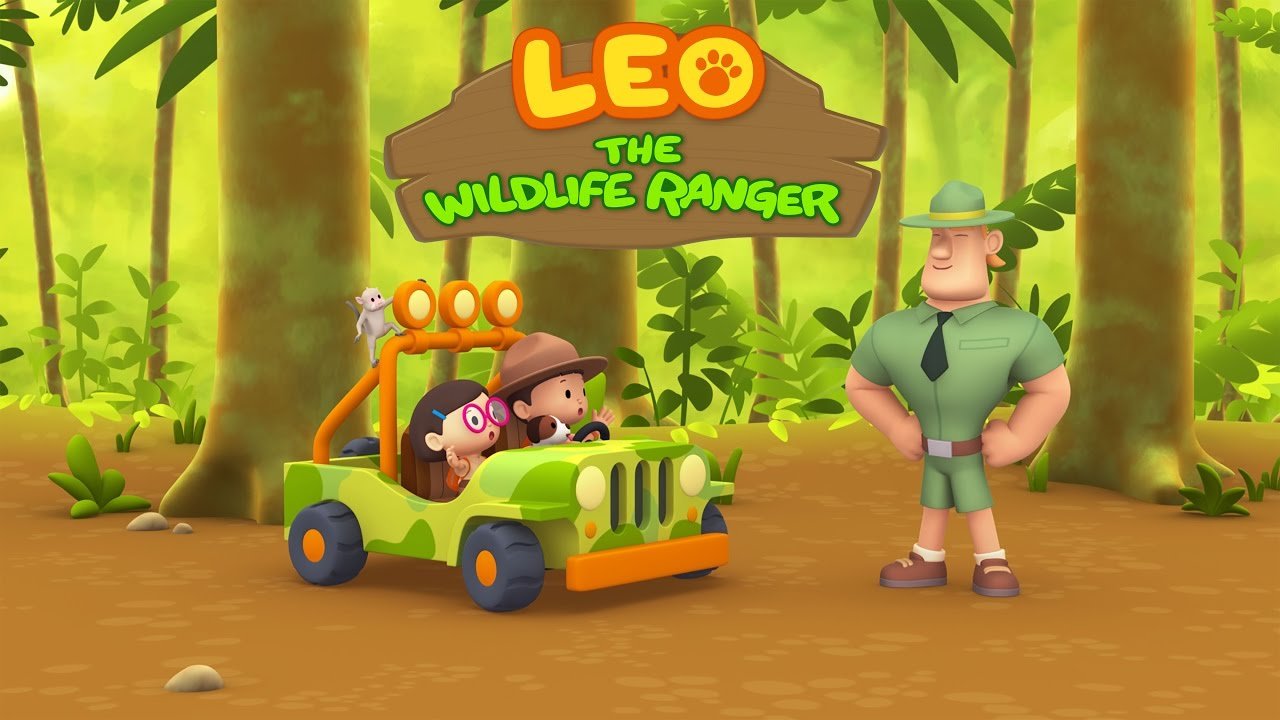
Leo The Wildlife Ranger Season 1 Episode 39 Estuarine Crocodile
- January 1, 2016
- 11 min
Leo The Wildlife Ranger is an engaging and educational children's show that takes viewers on exciting adventures into the natural world. In Season 1, Episode 39, titled "Estuarine Crocodile," young wildlife ranger Leo embarks on a thrilling mission to learn about and protect these magnificent creatures.
The episode begins with Leo receiving a call from the local wildlife conservation center about a reported sighting of an estuarine crocodile in a nearby river. Excited about the opportunity to encounter one of these impressive reptiles, Leo wastes no time in gathering his tools and setting off on his mission.
Accompanied by his trusty sidekick, Sammy the squirrel, Leo journeys deep into the heart of the jungle, their efforts guided by the center's wildlife experts. Along the way, Leo explains to viewers the importance of estuarine crocodiles and their role in maintaining the delicate ecosystem.
As Leo and Sammy reach the river, they carefully observe the surrounding area for any signs of the elusive creature. Leo spots tracks in the muddy riverbank and quickly deduces that an estuarine crocodile may be nearby. With cautious steps, he follows the tracks, making sure to remain alert and respect the crocodile's natural habitat.
Leo takes this opportunity to teach viewers about the characteristics and behavior of estuarine crocodiles. He explains how they are perfectly adapted to both land and water, with their strong jaws, armored bodies, and incredible swimming skills. Leo stresses the importance of understanding and preserving these majestic creatures rather than fearing them.
As Leo nears the source of the tracks, he spots movement in the water. Excited but mindful of the need to stay safe, he takes a few steps back and observes from a distance. It turns out that he has stumbled upon a mother estuarine crocodile, carefully guarding her nest full of eggs. Leo explains to viewers how crocodile mothers protect their eggs, and how crucial it is to ensure their safety.
Wanting to get a closer look without disturbing the mother, Leo takes out his binoculars and carefully studies the crocodile's behavior. He notices something peculiar – the water appears unusually muddy, which could be a sign of danger. Leo seizes this opportunity to teach viewers about the impact of human activities, such as deforestation and pollution, on the habitats of estuarine crocodiles and other wildlife.
With the guidance of the wildlife experts, Leo devises a plan to investigate the muddy water and understand its cause. He dons his protective gear and wades into the river, carefully collecting water samples for analysis. Leo emphasizes the importance of scientific research in understanding the threats facing these remarkable creatures and how we can work to mitigate them.
After analyzing the water samples, Leo and the wildlife experts discover that the muddy water is a result of illegal gold mining upstream, which has caused sedimentation and pollution in the river. Determined to take action, Leo contacts the local authorities and informs them of the situation, ensuring measures are put in place to stop the illegal mining and restore the river's health.
Throughout the episode, Leo emphasizes the importance of conservation and how individuals can make a difference in protecting wildlife. He encourages viewers to educate themselves, spread awareness, and support organizations working towards the preservation of estuarine crocodiles and their habitats.
With another successful mission under his belt, Leo bids farewell to the estuarine crocodile and her nest, confident that he has made a positive impact. As he and Sammy make their way back through the jungle, they reflect on the incredible experience and the importance of preserving our planet's diverse wildlife.
In Season 1, Episode 39 of Leo The Wildlife Ranger, viewers are treated to an exciting and educational adventure focused on the conservation of estuarine crocodiles. Leo's commitment to protecting these incredible creatures serves as an inspiring example for children, encouraging them to become stewards of the environment and work towards a harmonious coexistence with wildlife.
