Nature Season 22 Episode 1 Hippo Beach
- October 19, 2003
-
9.2 (24)
Hippo Beach is the debut episode of the twenty-second season of the award-winning television series Nature. In this episode, we follow the secret lives of one of Africa's most iconic and beloved animals: the hippopotamus.
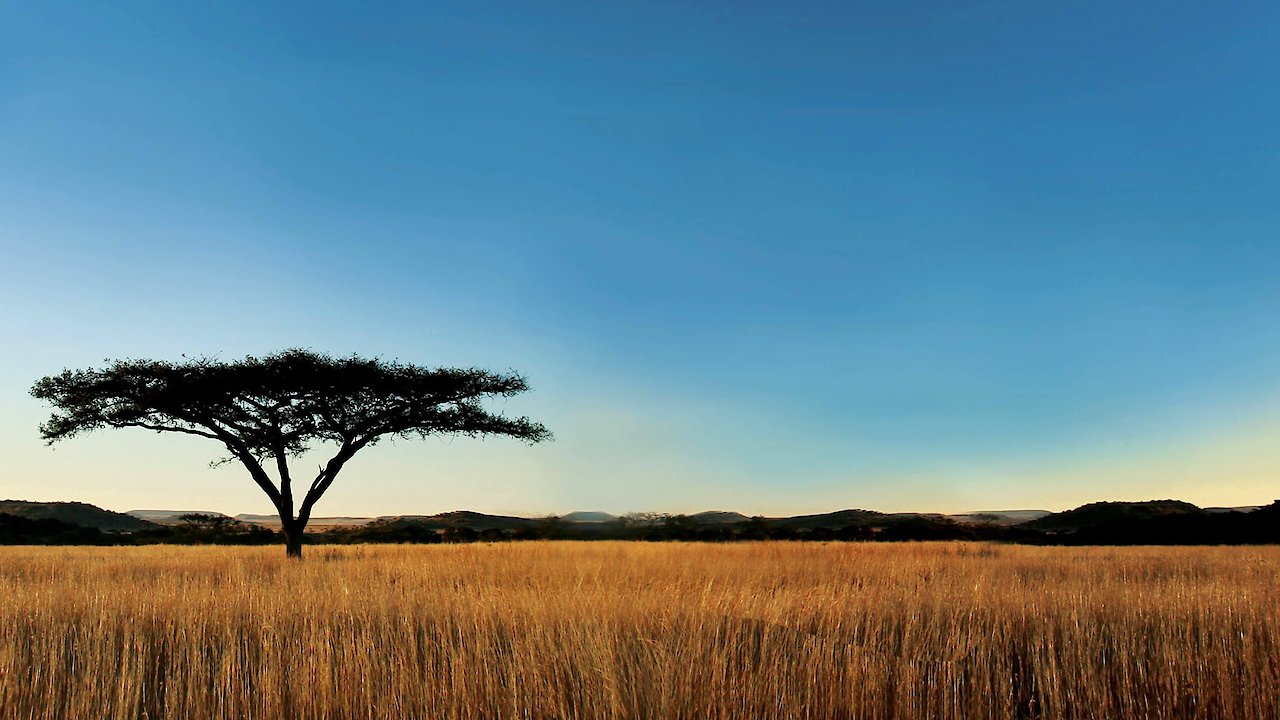
Located in Zambia's South Luangwa National Park, the Luangwa River is home to a group of hippos that spends most of their days wallowing in the river to keep cool and at night, they leave the water and journey to Hippo Beach. It's a mystery why these hippos leave the safety of their watery sanctuary and travel overland to another spot just a few kilometers away, but this episode aims to uncover their motivations.
The episode takes us on a journey to reveal the daily struggles, survival tactics, and social dynamics of the hippos at Hippo Beach. We get up close and personal, thanks to the expert camerawork and stunning landscape shots. The episode leaves us with a whole new appreciation for these giant, lumbering creatures.
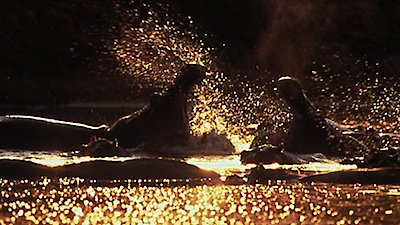
We meet the dominant male named Taba, who must constantly fight off rivals to keep his status. Remarkably, hippos have a unique way of communicating their dominance levels to each other – by defecating. By observing these behaviors and following their scent trails, the filmmakers manage to understand more about the complex social hierarchy at play.
The documentary also shines a light on the female hippos, who are the true powerhouses in their societies. We learn that they are responsible for not just caring for their own offspring, but by banding together, they protect everyone's young. It’s truly a community effort, and mom and baby both benefit greatly from these team efforts.
As the episode progresses, we also get to see the hippos interact with other animals on the beach, such as the ubiquitous marabou stork. At first, the storks are just scavengers encroaching on the hippos' territory, but soon we begin to see a unique kind of partnership unfold – the storks feasting on the leftover scraps from the hippos' grazing, while the hippos keep the marabou storks fed by creating new grazing territory as they move around.
What makes Hippo Beach such a fascinating watch is the way it manages to capture the interactions between the hippos and other animals in the ecosystem. We also get a glimpse into the human impact on the park and the conservation efforts that are being put in place to safeguard the hippos. These magnificent beasts are facing threats such as habitat loss and poaching for ivory teeth, but luckily, organizations are working hard to prevent their extinction.
In the end, the episode leaves viewers with a deeper understanding of the complex, nuanced lives of hippos that swim and walk on the African continent. By carefully observing the hippos' movements and interactions, the filmmakers create a vivid portrait of these animals, showing them as more than just silly-looking creatures that are funny to watch. Instead, they emerge as highly intelligent, social animals that play a vital role in their ecosystem.
Overall, Hippo Beach is a fascinating and informative episode that is sure to leave viewers with a newfound appreciation for these amazing creatures. The filmmakers have managed to capture the essence of what it means to be a hippo living in the heart of Africa and have presented these incredible animals in a unique and awe-inspiring way.