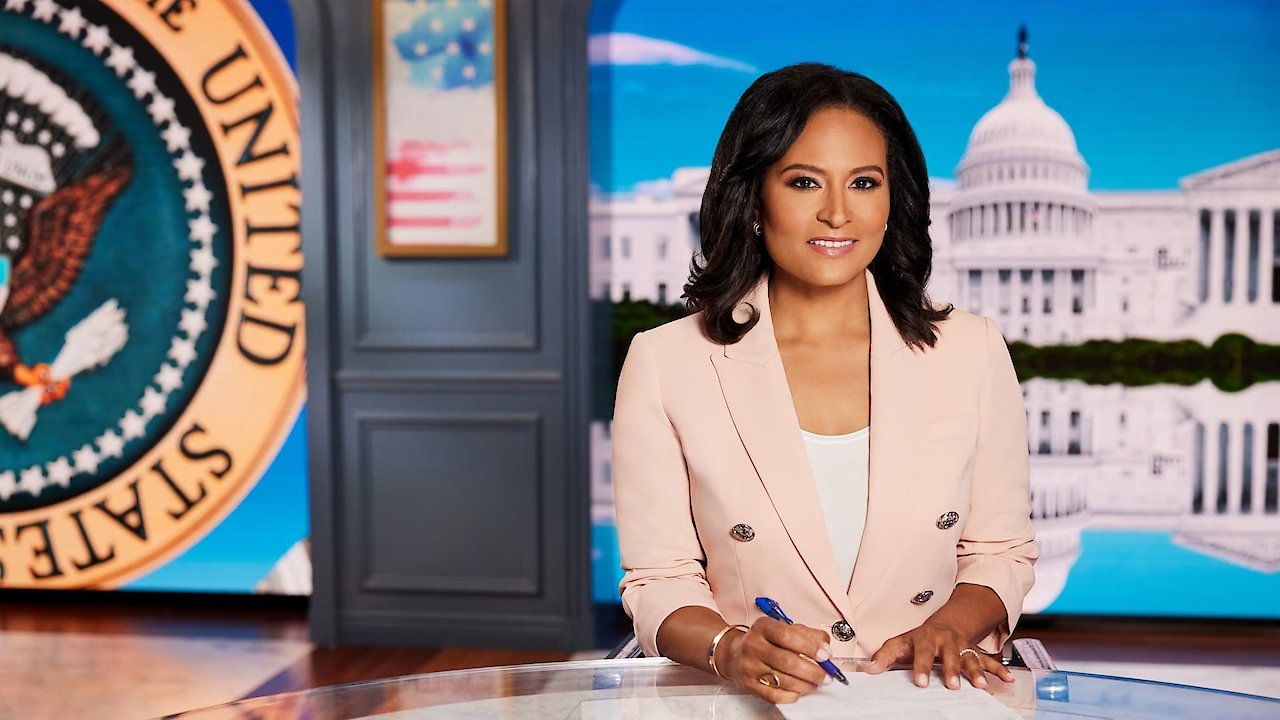
NBC Meet the Press Season 10 Episode 24 June 14, 1956
- June 14, 1956
In the 24th episode of the 10th season of NBC's "Meet the Press," which aired on June 14, 1956, the show continues its tradition of providing a platform for informed political discussion and insightful interviews with prominent figures. This particular episode holds great significance as it unfolds against the backdrop of the intense political climate of the mid-1950s, where international affairs and domestic issues were blending together and shaping the United States' role in the global arena.
As the show commences, the host, Lawrence Spivak, along with the panel of journalists, welcomes an esteemed guest, Senator Lyndon B. Johnson, to shed light on the pressing matters of the day. Senator Johnson, a charismatic and influential figure within the Democratic Party, has been serving Texas in the Senate since 1949 and possesses a vast wealth of experience and knowledge about American politics.
The conversation begins by addressing the ongoing heated national debate surrounding the civil rights movement. With racial tensions running high in many parts of the country, the panel engages Senator Johnson in a thought-provoking discussion, seeking his perspective on the current state of civil rights in America and the role of the federal government in ensuring equality and justice for all citizens. The senator's insightful commentary delves into the complexities of this pressing issue, while offering potential solutions and examining the country's progress thus far.
The episode then transitions to matters of foreign policy by focusing on the escalating Cold War and its implications for American security. Given Senator Johnson's influential role as a member of the Senate Foreign Relations Committee, the panel examines his thoughts on America's relationship with the Soviet Union, the effectiveness of containment policy, and the importance of building alliances with democratic nations across the globe. This timely discussion provides viewers with a nuanced understanding of the country's foreign policy objectives and the potential challenges it may face in the coming years.
Continuing with the theme of international affairs, the panel probes Senator Johnson on the delicate situation in the Middle East, specifically focusing on the ongoing Arab-Israeli conflict. With tensions simmering in the region, the senator offers his insights on the United States' approach towards maintaining stability and fostering peace in this tumultuous area. The discussion addresses the key players involved, the need for diplomacy, and potential strategies that the United States could employ to defuse the situation.
Shifting gears, the conversation takes a domestic turn, touching on the topic of economic growth and the challenges facing American workers. Senator Johnson provides his perspective on the nation's economic well-being and the potential for policy initiatives to create jobs, stimulate growth, and ensure prosperity for all citizens. The panelists raise pertinent questions about labor unions, technological advancements, and the impact of automation on employment. These insightful exchanges offer viewers a comprehensive understanding of the economic landscape of the time and shed light on potential solutions to foster a thriving economy.
As the episode draws to a close, the panel engages in a lively discussion on the role of the media in shaping public opinion and influencing political discourse. They explore the power of television as a communication medium and its impact on democracy. Senator Johnson provides his thoughts on the responsibility of the media in conveying accurate information and fostering a well-informed citizenry in the age of television. This segment serves as a vital reflection on the role of the media in democratic societies and highlights the importance of responsible journalism in shaping public affairs.
To conclude, this episode of NBC's "Meet the Press" offers viewers a diverse range of pressing topics, allowing them to gain insights into the mind of one of the era's most influential political figures. With discussions spanning civil rights, foreign policy, economic growth, and media ethics, this episode serves as a valuable time capsule, encapsulating the political, social, and economic climate of the United States in 1956.
