Operation Ouch Season 8 Episode 5 Why Is Your Poo Brown?
- January 23, 2019
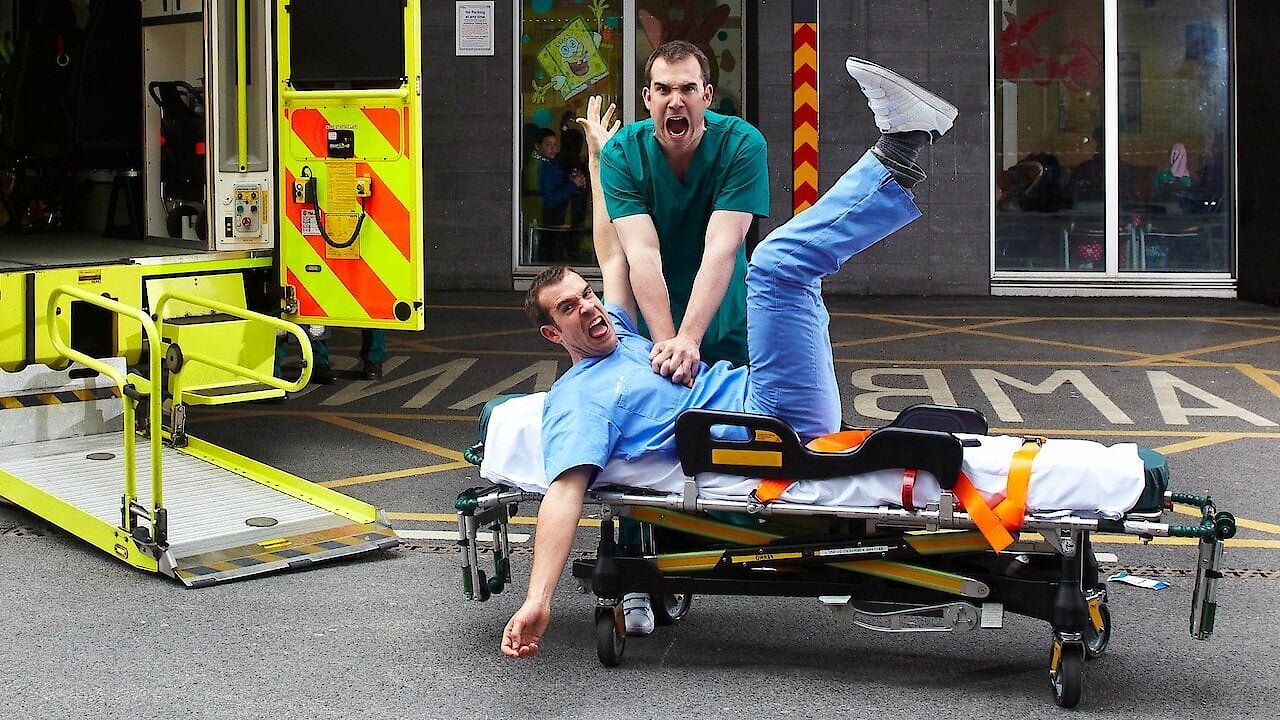
In this episode of Operation Ouch, the popular children's show explores the interesting and sometimes disgusting world of poo. The hosts, twin doctors Chris and Xand van Tulleken, use a variety of experiments and demonstrations to explain why poo is brown and what it can tell us about our health.
Throughout the episode, the doctors emphasize the importance of not being embarrassed or ashamed about talking about poo. They explain that everyone's digestive system works differently, and what's normal for one person might not be normal for another.
One of the main segments of the episode involves a group of kids who are asked to collect a sample of their poo. The doctors analyze the samples in the lab, pointing out the different colors and textures and what they might indicate about the kids' diets and overall health.
Another experiment involves the doctors feeding a volunteer a blue-colored milkshake. They then track the food's progress through the volunteer's digestive system using ultrasound technology. Along the way, they explain the different enzymes and processes that help break down food and turn it into poo.
Throughout the episode, the doctors also tackle common questions about poo, such as why it sometimes floats, why it smells, and why sometimes there isn't very much of it. They also discuss the importance of fiber and hydration in maintaining healthy bowel movements.
One particularly memorable moment involves the doctors analyzing some clay sculptures of poo that were made by an artist. They compare the sculptures to real poo samples and explain how the artists got some of the details right (such as the different shades of brown), while others were less accurate.
Overall, this episode of Operation Ouch manages to take a potentially gross and uncomfortable topic and make it engaging and informative for kids. By demystifying poo and making it something that can be openly discussed, the show does a great job of promoting healthy habits and helping kids understand their bodies better.
