Pensacola: Wings of Gold Season 1 Episode 15 Power Play
- TV-NR
- January 26, 1998
- 43 min
-
3.7 (9)
In the gripping fifteenth episode of Pensacola: Wings of Gold, titled Power Play, viewers are taken on an exhilarating journey through the complexities of military operations, personal ambition, and the intricate web of relationships that come into play within the elite ranks of the United States Navy. As the series continues to develop its characters and the challenges they face, this episode delves deeper into the moral and ethical dilemmas that often accompany duty and authority.
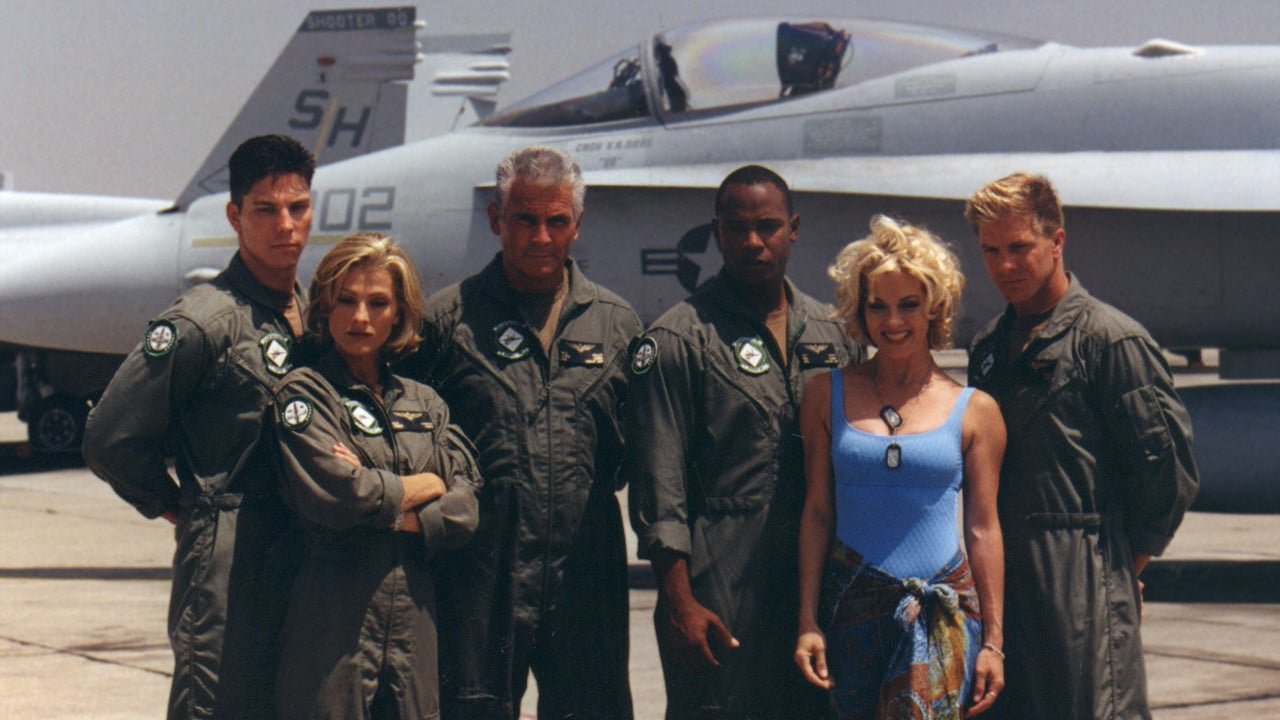
Set against the vibrant backdrop of the Pensacola Naval Air Station, the episode opens with an unexpected twist that sets the tone for the conflicts that will unfold. The audience is reintroduced to the main characters, including Lieutenant Colonel Mike “Viper” McBride and his fellow aviators, who are not only skilled pilots but also tightly-knit comrades navigating the pressures of their profession. Tensions arise when a strategic power play is introduced that could potentially alter the course of the squadron’s future.
As the episode progresses, the dynamics shift within the team as personal ambitions clash with collective goals. Each character grapples with the impact of a new leadership directive that introduces a competitive element into their training regimen. This element not only tests their piloting skills but also their loyalty to one another and to their commanding officers. The stakes are raised as they begin to question how far they are willing to go to secure their positions and prove themselves.
Power struggles are further intensified when external pressures come into play. The military's bureaucratic nature is poignantly depicted, illustrating how decisions made at higher command can ripple down and affect those on the ground. The audience witnesses the characters dealing with the consequences of these decisions, which force them to confront their values and the reality of what it means to serve. Themes of honor, respect, and camaraderie are challenged as the characters must weigh their responsibilities against their aspirations.
Parallel to the aviators’ challenges, the episode explores personal relationships and the romantic entanglements that add another layer of complexity to the narrative. The characters’ lives outside of the cockpit are vividly portrayed, showcasing their struggles to balance personal desires with professional obligations. These relationships serve as a backdrop to the central conflict, amplifying the emotional stakes involved when choices must be made that could affect not only individual careers but also interpersonal bonds.
The pacing of the episode is masterfully executed, with action-filled sequences that immerse viewers in the world of fighter pilots. Thrilling flight scenes showcase the skill and precision required in their profession, while the camaraderie and competitive spirit among the pilots create an engaging dichotomy. Each twist in the narrative heightens the tension, leaving the audience on the edge of their seats as they anticipate the outcomes of the power plays at hand.
Additionally, the cinematography of this episode is particularly noteworthy, capturing the breathtaking aerial maneuvers and the stunning landscapes that serve as the backdrop to the high-stakes drama. The use of aerial photography not only enhances the authenticity of the flying scenes but also symbolizes the freedom and danger experienced by the pilots, creating a visceral experience for the viewer.
As the episode reaches its climax, viewers are left to ponder the moral implications of ambition and the lengths to which individuals will go to secure their futures. The conflicts presented in Power Play are not merely physical confrontations but delve into the psychological battlegrounds that define each character’s journey. With each decision made, the characters confront their own motivations and the costs associated with their choices.
In a powerful conclusion, the episode leaves audiences reflecting on the balance between personal ambition and the greater good, the repercussions of power dynamics within the military, and the enduring bonds of friendship forged in the heat of competition. As the credits roll, viewers are left eager to see how these developments will shape the characters and their futures in subsequent episodes. This installment of Pensacola: Wings of Gold is a compelling exploration of the intersection of power, duty, and the human spirit, making it a standout chapter in the series.