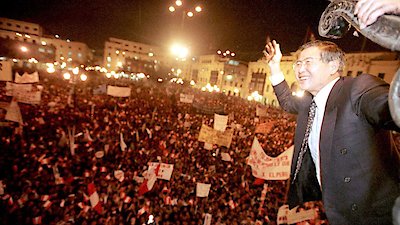
POV Season 19 Episode 4 The Fall of Fujimori
- July 18, 2006
In POV season 19 episode 4, titled "The Fall of Fujimori," we are taken on a journey through the political landscape of Peru during the late 1990s and early 2000s. The episode focuses on the controversial presidency of Alberto Fujimori, his rise to power, and ultimately his downfall.
The episode begins by introducing us to Fujimori, a man of Japanese descent who rose to the presidency in 1990 as a political outsider. Fujimori, an economist by trade, quickly gained popularity by promising to tackle Peru's many problems, including corruption, hyperinflation, and terrorism. We are shown clips of Fujimori addressing the Peruvian people, proclaiming his commitment to social justice and human rights.
As the episode progresses, we see Fujimori implement policies that lead to both progress and controversy. On one hand, he stabilizes the economy, tackles corruption, and puts an end to the ruthless terrorist organization Shining Path. On the other hand, he becomes increasingly authoritarian, disregarding civil liberties, and taking actions that are seen as undemocratic by many.
One of the most controversial actions taken by Fujimori was his disbandment of the Peruvian Congress in 1992. The episode explores the implications of this decision through interviews with both supporters and opponents of Fujimori's regime. We are shown footage of protests in the streets of Peru and hear from those who believe that Fujimori's actions were necessary for the good of the country and those who view them as a blow to democracy.
Throughout the episode, we also see the rise of Vladimiro Montesinos, a close advisor to Fujimori who wields significant power within the government. Montesinos is portrayed as a manipulative figure, who uses his influence to orchestrate the downfall of Fujimori's political opponents. We see Montesinos caught on tape trying to bribe a member of Congress and hear from those who describe his corrupt behavior and involvement in illegal activities.
The Fall of Fujimori culminates in the 2000 election, which Fujimori sought to win despite a constitutional ban on him running for a third term. We are shown footage of the election and hear from those who believe that it was rigged in favor of Fujimori. The election ultimately leads to Fujimori's downfall, as reports of corruption and an increasingly authoritarian government drive the Peruvian people to demand change.
The episode ends by exploring the aftermath of Fujimori's presidency. We hear from those who believe that Fujimori's policies were necessary for the country's progress, as well as those who see his legacy as tarnished by corruption and attacks on civil liberties. The Fall of Fujimori is a complex and nuanced portrayal of a controversial period in Peruvian history. It invites viewers to grapple with the difficult questions surrounding democracy, corruption, and human rights.