Scientific American Frontiers Season 14 Episode 4 Hot Times in Alaska
- June 15, 2004
In this episode of Scientific American Frontiers season 14, titled "Hot Times in Alaska," host Alan Alda travels to the northernmost state in the U.S. to explore the impacts of climate change on its environment and the people who live there. Alaska is experiencing rapid changes due to global warming, with temperatures rising twice as fast as the rest of the world.
The episode begins with Alda meeting with Dr. Brendan Kelly, a scientist who has been studying the effects of climate change on marine mammals in Alaska. They board a research vessel to collect data on whale populations, which are being impacted by melting sea ice and changes in their habitats. Alda also learns about the work being done to protect endangered species like Steller's sea lions and polar bears.
Next, Alda travels to the town of Shishmaref, a small community on the coast of Alaska that is facing the threat of coastal erosion due to rising sea levels. He speaks with Inupiaq indigenous people who live there and learn how they are working to adapt to the changes in their environment, including moving their homes further inland.
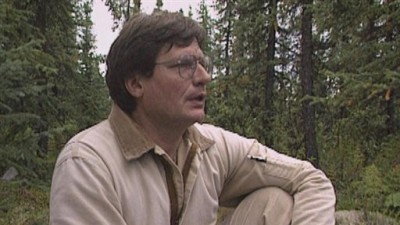
The episode then takes viewers to the city of Fairbanks, where Alda meets with Dr. Dave Valentine, a microbiologist who studies the impact of melting permafrost on the release of methane gas. Methane is a potent greenhouse gas that is accelerating the rate of global warming, and the thawing permafrost in Alaska is releasing vast amounts of it into the atmosphere. Alda and Valentine visit a research site where they collect soil samples and measure methane gas emissions, providing valuable information for understanding the effects of climate change on the Arctic ecosystem.
Finally, Alda ventures out to see firsthand the melting of glaciers in Alaska. He meets with a team of glaciologists who are studying the decline of these ancient formations and what it means for the state's water supply, as well as for the global climate. The team drills ice cores to analyze the composition of the glaciers and how they have changed over time.
Throughout the episode, Alda emphasizes the importance of understanding the impacts of climate change and taking action to mitigate it. He showcases the work being done by scientists, indigenous communities, and ordinary citizens who are working to adapt to the changing conditions in Alaska. The episode provides a compelling look at the impacts of global warming on one of America's most unique and vibrant ecosystems.