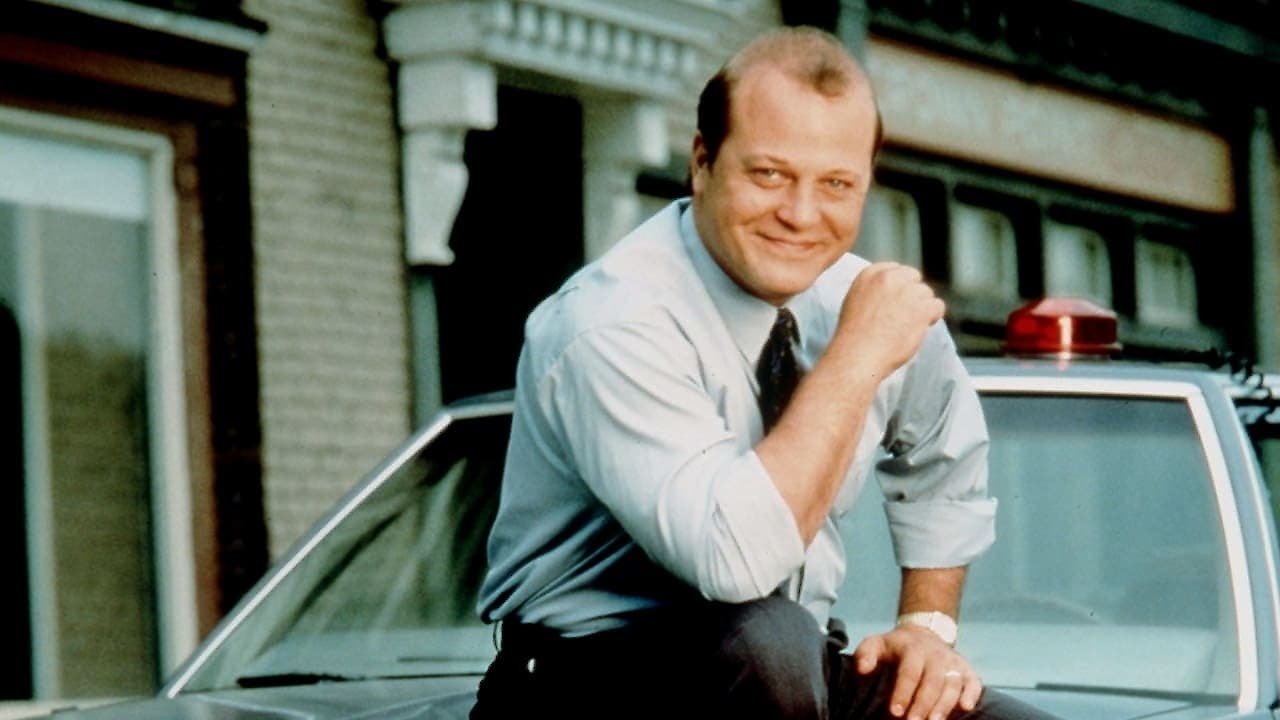
The Commish Season 2 Episode 22 The Anti-Commish
- TV-14
- May 15, 1993
- 47 min
-
7.7 (38)
In the riveting season two finale of The Commish, titled The Anti-Commish, viewers are treated to a compelling narrative that intertwines themes of identity, morality, and the complexities of law enforcement. The episode commences with a palpable tension in the air as Tony Scali, played expertly by Michael Chiklis, faces not only the pressures of his role as a police commissioner but also the internal conflicts that come with tackling a high-profile case that stirs the community.
As the episode unfolds, it becomes evident that a shadowy figure has emerged, operating outside the normal boundaries of law and order. This enigmatic character, who presents himself as the anti-commish, embodies a philosophy that stands in stark contrast to Scali's ethos of justice and integrity. While Scali believes in the power of the law to uphold justice, the anti-commish operates in the shadows, taking matters into his own hands and rallying a following that admires his unconventional methods. This antagonist epitomizes the allure of vigilante justice, posing a direct challenge to Scali and forcing him to confront not just the criminal elements in his city but also his own beliefs about right and wrong.
As the duality of Scali's role as a public servant and a family man is explored, the stakes are raised when it becomes evident that the actions of the anti-commish are beginning to have real repercussions in the community. Citizens who once depended on Scali for guidance and protection are now intrigued by the anti-commish's audacity and charm, creating a palpable rift in public opinion. This dynamic sets the stage for a series of confrontations that test Scali’s ability to maintain his commitment to law and order while navigating the shifting allegiances of those around him.
In addition to the central conflict, The Anti-Commish is notable for its character-driven storytelling. The episode shines a light on the personal struggles of Scali’s colleagues and family members as they grapple with their own understanding of justice. The supporting cast, including the loyal officers and Scali's family, find themselves pulled into the whirlpool of conflicting ideologies, leading to poignant moments that enhance the emotional depth of the episode. As tensions rise in the precinct and on the streets, the narrative deftly balances thrilling action with moments of introspection that resonate deeply with the audience.
Scali's determination to uphold the law while understanding the motivations of those who have lost faith in it forms a rich thematic tapestry. His nuanced approach to dealing with the anti-commish speaks to larger societal questions about authority, morality, and the complexities of human nature. Viewers will find themselves reflecting on what it means to be a leader in times of moral ambiguity, as Scali is forced to navigate the gray areas that accompany his role more than ever before.
As the climax of the episode approaches, viewers are treated to expertly crafted suspense as Scali races against the clock to thwart the anti-commish's plans. An array of cleverly staged confrontations and emotional dialogues showcase the deteriorating line between right and wrong, keeping audiences on the edge of their seats. The narrative intensity builds steadily toward a confrontation that promises to redefine Scali's role as a commissioner and challenge his resolve.
The Anti-Commish encapsulates the spirit of The Commish, embodying both the personal and professional challenges faced by its protagonist. The exploration of contrasting philosophies regarding justice and order blurs the lines of heroism and villainy in a captivating manner. As the episode draws toward a resolution, viewers are left to ponder the choices made by Scali and the broader implications of his journey. This episode not only serves as a thrilling conclusion to season two but also raises questions about the nature of justice that resonate far beyond the screen.
In summary, The Anti-Commish offers a masterful blend of action, drama, and moral inquiry, delivering a thought-provoking narrative that grips the audience from start to finish. With character development at its core and a storyline that challenges conventional morals, it stands out as a testament to the show's ability to tackle complex themes while keeping viewers engaged. The tension, the stakes, and the richly drawn characters combine to mark this episode as a key turning point in The Commish saga, setting the stage for the continuing evolution of its beloved characters in the seasons to come.