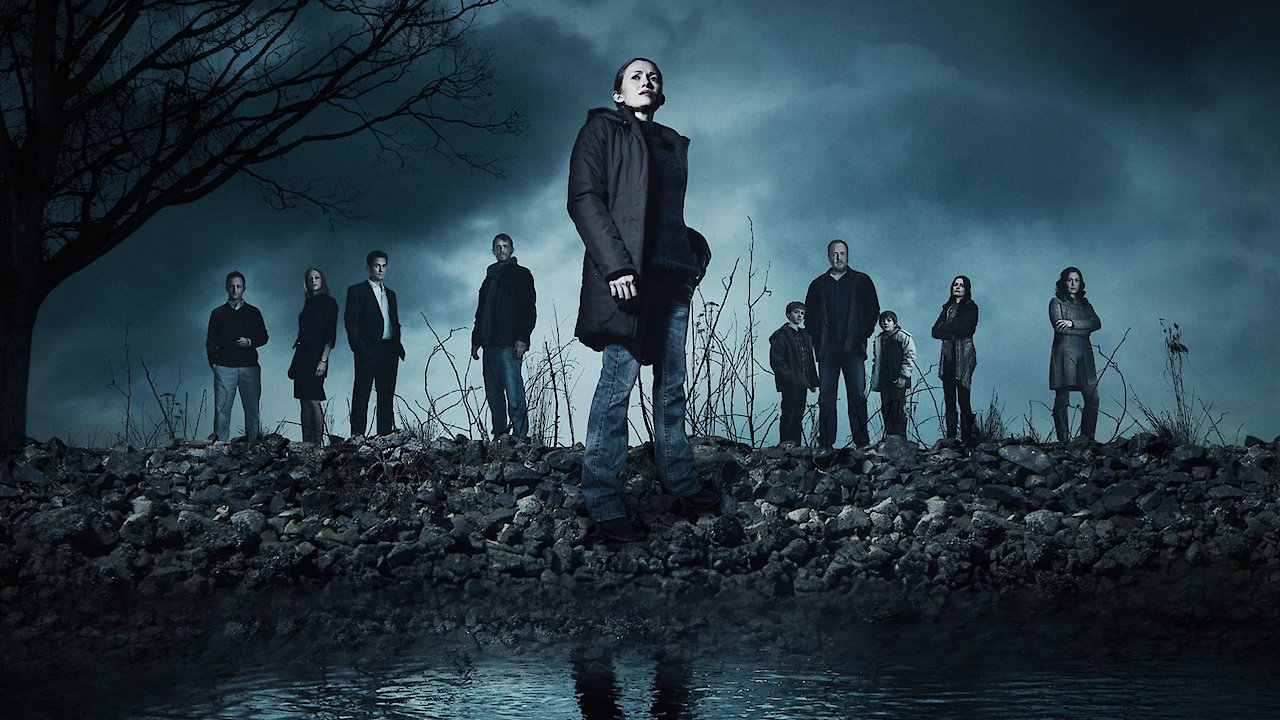
The Killing Season 1 Episode 9 Undertow
- TV14
- May 22, 2011
- 56 min
-
8.1 (1,248)
In the gripping ninth episode of The Killing, titled Undertow, tensions run high as the investigation into the murder of Rosie Larsen takes deeper, darker turns. Set against the rain-soaked backdrop of Seattle, the episode delves into the emotional and psychological toll that the case has taken on everyone involved. As the detectives immerse themselves further into the labyrinth of clues and motives, they begin to encounter the complexities of human relationships, revealing that the quest for truth can lead to unexpected and often painful discoveries.
Detective Sarah Linden, portrayed with nuance by Mireille Enos, finds herself grappling with the haunting reality of the case. The burden of the investigation weighs heavily on her, not only because of the gruesome murder of the teenage girl but also due to her fraught personal life. The tension between her commitment to her work and her responsibilities as a mother becomes increasingly pronounced, presenting a compelling conflict that underscores the emotional depth of the series. As she navigates through the shadows of grief, guilt, and obligation, viewers witness a character torn between ideals and reality, illustrating the often-blurred lines of morality in the pursuit of justice.
Meanwhile, her partner, Detective Stephen Holder, played by Joel Kinnaman, continues to unfold the layers of the investigation with an unorthodox approach. Holder's street-smart instincts and past experiences bring an edge to his methods, but in this episode, his character's vulnerabilities also come to light. As they gather more information and follow new leads, the intricate web of relationships connected to Rosie begins to reveal themselves, hinting at darker secrets and implications that could shatter the lives of the people involved. Holder’s interactions with witnesses and suspects expose not only the intricacies of the case but also the personal struggles he faces, painting him as a character searching for redemption in a world rife with ambiguity.
The episode crafts a moody atmosphere that enhances the suspense and emotional weight of the narrative. From the rainy streets of Seattle to the stark interiors of a local dive bar, the visuals contribute significantly to the storytelling. The cinematography captures the pervasive sense of foreboding, a constant reminder of the underlying tragedy that fuels the investigation. With each scene, the tension escalates, leading audiences to grasp the fragile nature of the truth that the characters are desperately seeking.
As the detectives dig deeper into Rosie's life, they uncover a series of relationships that complicate their understanding of the young victim. Friends, family, and acquaintances emerge as potential suspects, each unveiling their motivations, fears, and connections to Rosie. The narrative weaves in themes of trust, betrayal, and the unforeseen consequences of past decisions, prompting viewers to question the nature of innocence and culpability. Each character that surfaces brings with them a fragment of truth, but as the detectives soon realize, the truth is often layered and obscured by the emotional defenses of those who hold it.
Undertow also captures the ripple effect of tragedy on the community around Rosie. As the investigation draws attention to the case, local residents begin to feel the weight of the impact. Insights into the lives of those affected by the crime provide a broader context for understanding Rosie's story and highlight the profound implications of violence in a tight-knit society. The episode intricately portrays how individual actions can resonate beyond immediate relationships, leaving everyone in a state of uncertainty and fear.
The pacing of Undertow is deliberate, allowing for deep explorations of character and setting while building mounting suspense. Tensions peak as the detectives inch closer to uncovering new leads, forcing them to confront their own demons in the process. The narrative engages audiences not only by highlighting the procedural aspects of the investigation but also by portraying the emotional struggles of those involved as they grapple with loss, accountability, and the paths their lives may take as a result of this tragedy.
As the episode unfolds, viewers are drawn into an emotionally charged atmosphere that underscores the series' central themes. The convergence of personal and professional stakes becomes evident as each revelation leads to introspection among the main characters. Undertow serves to remind audiences that in the realm of crime and loss, the deepest currents often flow beneath the surface, compelling individuals to confront their pasts and the uncertain futures awaiting them.
With its haunting visuals, complex characters, and immersive storytelling, Undertow stands out as a pivotal episode in The Killing, ensuring viewers are left questioning not only the details of the case but also the nature of justice itself and the fragile threads that connect us all.