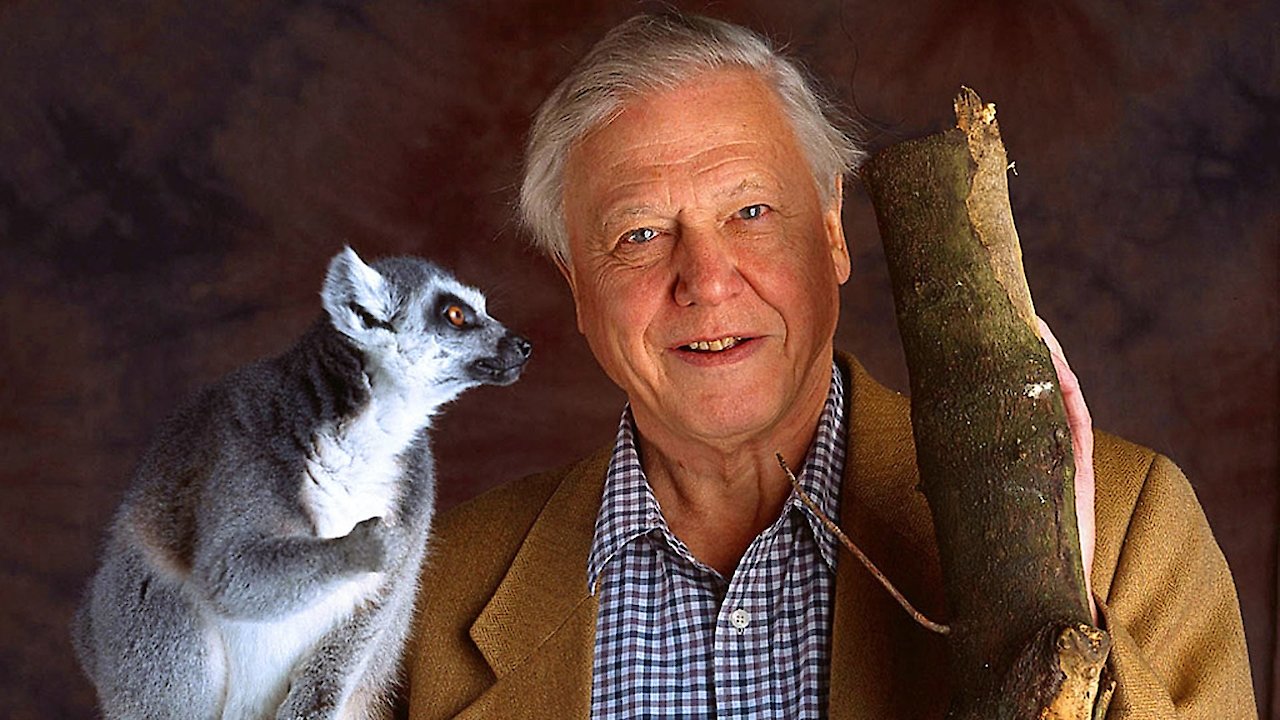
The Life of Mammals Season 1 Episode 2 Insect Hunters
- TV-PG
- November 27, 2002
- 49 min
-
8.4 (109)
The Life of Mammals is a documentary series that explores the world of mammals, spanning their evolution, behavior, and adaptation to different environments. Season one, episode two, titled "Insect Hunters," focuses on how mammals have evolved to become masters of hunting insects, a prey that is abundant but also requires special adaptations to catch and eat.
The episode starts with David Attenborough, the narrator, introducing us to a family of bats, one of the most common insect hunters. We get a close-up of their faces, with their large ears and complex echolocation system that allows them to navigate and catch insects even in complete darkness. Attenborough explains how bats have evolved a wide range of hunting techniques, from fly-catching to aerial hawking, and how they have become one of the most successful groups of mammals, with over 1,300 species worldwide.
The show then moves to the rainforest, where we meet another master insect hunter, the anteater. Attenborough explains how these strange-looking animals have evolved a long, sticky tongue that can flick in and out up to 160 times a minute, allowing them to catch up to 30,000 ants or termites in a single meal. We see stunning footage of an anteater climbing a tree and ripping open a termite nest with its powerful claws and long snout, as well as slow-motion shots of its tongue lapping up the insects.
Next, we visit the savannah, where we meet a different kind of insect hunter, the aardvark. Attenborough explains how these nocturnal animals have a keen sense of smell that allows them to locate termite and ant nests underground. We see footage of an aardvark digging a hole with its powerful claws and then using its long, sticky tongue to collect the insects. Attenborough also points out how aardvarks have other adaptations, such as thick skin and powerful muscles, that make them hard to catch and kill, even by predators like lions and hyenas.
The episode then takes us to the Arctic, where we meet yet another specialist insect hunter, the Arctic fox. Attenborough explains how these animals have evolved a thick, white coat that helps them blend in with the snow and ice, as well as a keen sense of hearing that allows them to locate small rodents like lemmings and voles. We see footage of an Arctic fox pouncing on a lemming and then shaking off the snow to uncover its prey, as well as how the foxes cache their prey under the snow for later.
The show ends with a montage of other insect-hunting mammals, such as shrews, hedgehogs, and primates. Attenborough highlights how each of these animals has its own unique adaptations, such as sharp teeth, strong jaws, or finger-like appendages, that help them catch and eat insects. He also points out how important these adaptations are in the overall ecology of the planet, as insects not only provide a vital source of protein for many animals, but also help to pollinate plants and control pest populations.
Overall, "Insect Hunters" is a fascinating and informative look at how mammals have evolved to become successful hunters of one of the most abundant but challenging prey on the planet. With stunning footage, clear explanations, and insights from one of the most respected voices in nature documentaries, this episode is sure to capture the imagination of viewers of all ages and backgrounds.