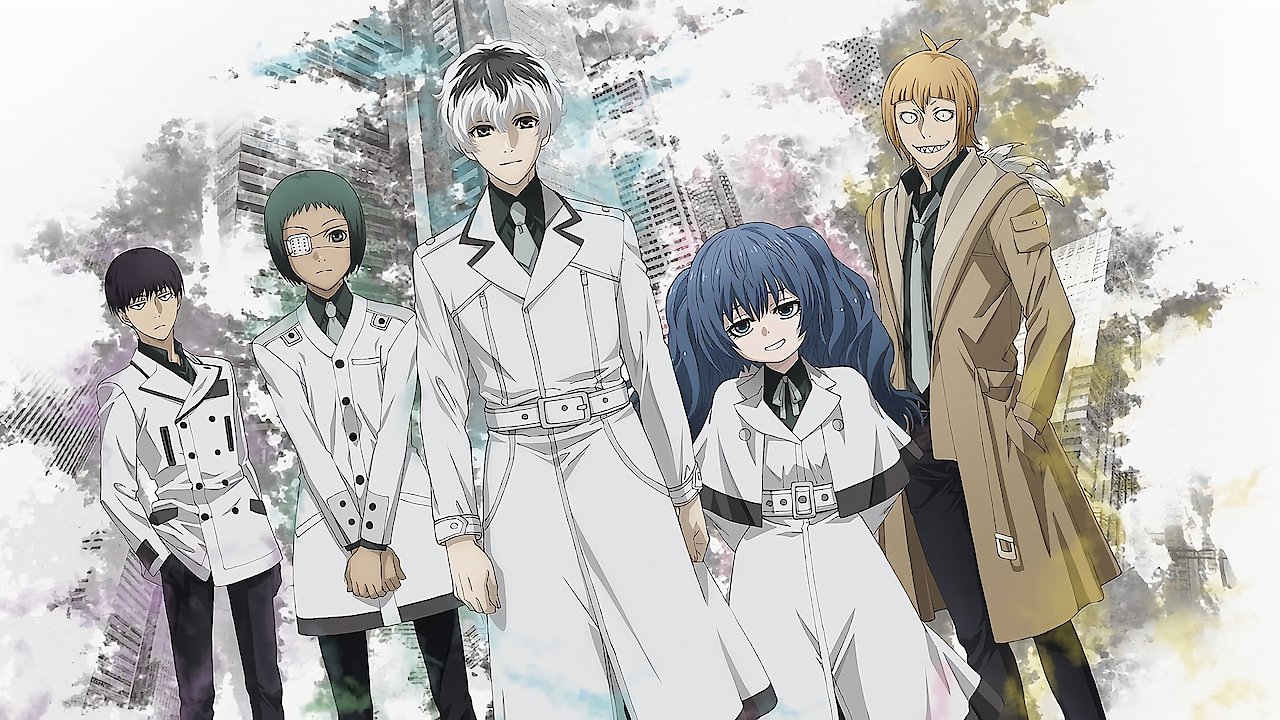
Tokyo Ghoul Season 2 Episode 24 Ken
- July 3, 2020
- 24 min
In the gripping conclusion of Tokyo Ghoul, season 2, episode 24 titled Ken, the narrative crescendos to a riveting climax that encapsulates the series' central themes of identity, morality, and the perennial struggle between humanity and monstrosity. This episode serves as a powerful denouement, weaving together complex character arcs and unresolved conflicts that have been building throughout the season, as well as the broader narrative encompassing the entire series.
The episode opens with an intense atmosphere, as the characters face insurmountable odds and deeply personal dilemmas. Ken Kaneki, the protagonist who has undergone considerable transformation since his fateful encounter with the ghoul world, grapples with the duality of his existence. Torn between his human side and his ghoul nature, Kaneki's internal struggle reaches a critical point, forcing him to confront not only his own identity but also the tumultuous relationships he has forged along the way.
As the episode progresses, viewers are treated to a series of visceral flashbacks that provide context to Kaneki's motivations and the weight of his past decisions. These moments of reflection serve to deepen the emotional resonance of the narrative, highlighting the losses and sacrifices that Kaneki has endured. His relationships with key figures, such as Touka, Hide, and many others, are brought to the forefront, exploring the nuances of companionship and the burden of expectation that accompanies his chosen path.
In a world rife with conflict, the stakes are higher than ever as different factions of ghouls and humans clash violently. The tension escalates as Kaneki finds himself in the midst of relentless confrontations, each one testing his resolve and challenging the core of his beliefs. The choreography of these battles is visually stunning, blending fluid animation with a profound sense of urgency that mirrors Kaneki's inner turmoil. The strategic implications of each fight speak to the broader conflict at play, where allies and adversaries blur the lines, leaving Kaneki to navigate a treacherous landscape riddled with betrayal and unexpected alliances.
The writing in this episode masterfully balances moments of intense action with quieter, contemplative scenes that delve into the philosophical undercurrents of the series. The dialogue is sharp and resonant, encapsulating the struggles of a world that is perpetually at odds with itself. Themes of acceptance, loyalty, and the quest for belonging emerge vividly as characters grapple with their choices, evoking sympathy and understanding for even the most hardened foes.
As Ken Kaneki's journey reaches its climax, pivotal characters are also given their moment in the spotlight. Each character is imbued with their own complex motivations, and their interactions are laden with intensity and emotional weight. The dynamic between Kaneki and those who wish to protect and challenge him reveals the intricate dance of trust and fear that governs their relationships. The episode does not shy away from showcasing the brutal consequences of their choices, illustrating the harsh realities of a world where the lines between friend and foe are often indistinguishable.
Towards the end of the episode, a palpable sense of catharsis is achieved as Kaneki faces the culmination of his arduous journey. The emotional resolutions presented are poignant, offering a sense of closure while also leaving lingering questions that mirror the complexity of real-life dilemmas. The viewer is left reflecting on the moral ambiguities presented throughout the series — can one ever truly reconcile their humanity with their darker instincts? Can love prevail in a world riddled with hatred?
Ken serves as a powerful and thought-provoking finale, encapsulating the essence of Tokyo Ghoul as a narrative that pushes the boundaries of genre conventions. It invites viewers to ponder the profound struggles of Kaenki and the myriad characters that inhabit this richly constructed universe. As the episode closes, viewers are left with a sense of both resolution and yearning, a testament to the impact of the journeys undertaken by its characters.
With stunning animation, a riveting score, and rich character development, Ken stands as a testament to the depth and complexity that Tokyo Ghoul has come to symbolize. This unmissable episode not only provides closure to the season's gripping narrative but also resonates on a deeper level with its exploration of identity, choice, and the eternal conflict of what it truly means to be human.
