Vice Principals Season 1 Episode 7 The Good Book
- TVMA
- August 28, 2016
- 29 min
-
8.8 (833)
In the seventh episode of Vice Principals, titled The Good Book, the tension between the two lead characters, Neal Gamby and Guy Germain, escalates as a series of unexpected events unfold within the school. Set against the backdrop of the Southern educational landscape, the episode delves deeper into the personal and professional lives of the vice principals, revealing their insecurities and moral dilemmas even as they try to maintain a semblance of order in their chaotic school environment.
The episode begins with an event at the school that forces Gamby and Germain to confront their long-standing rivalry and their differing philosophies when it comes to managing students and faculty. As they navigate through heightened emotions and competitive natures, the episode introduces new challenges that threaten to derail their already precarious positions. The title, The Good Book, hints at themes of morality, guidance, and the influence of authority figures—a central focus in the chaotic world of Vice Principals.
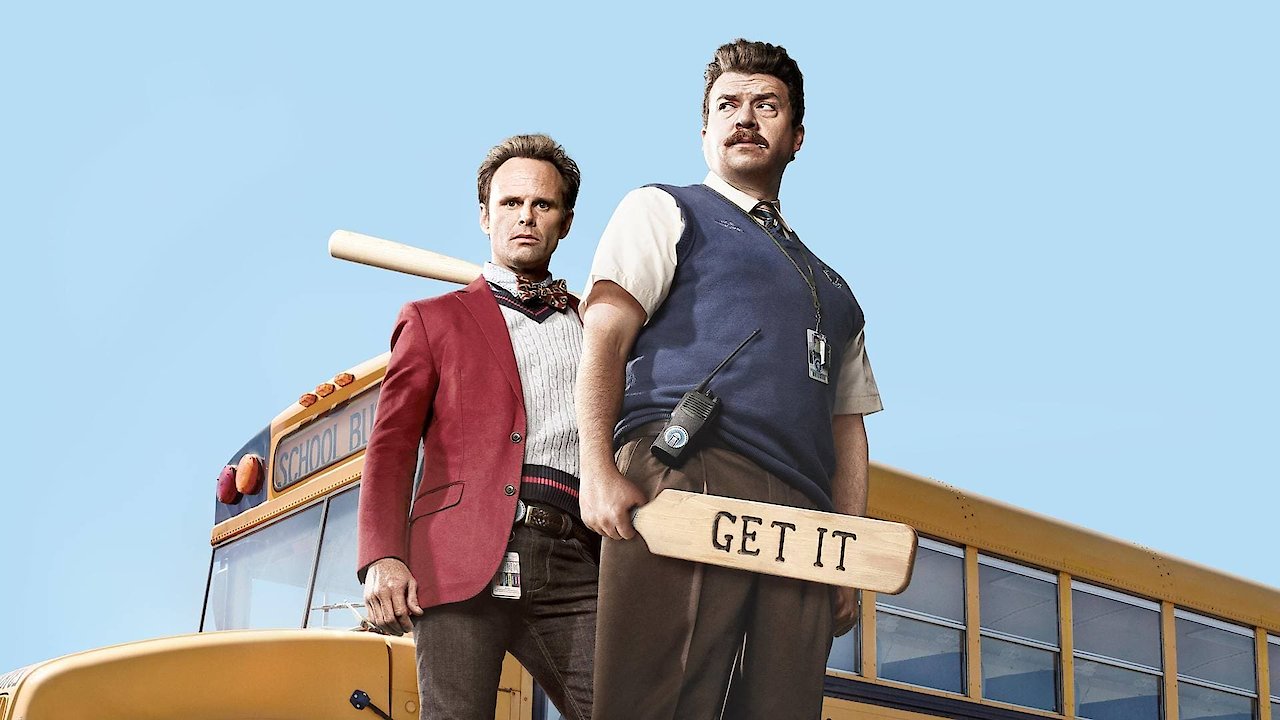
As Gamby, portrayed by Danny McBride, grapples with his own flaws as an educator, he finds himself questioning not only his methods but also the impact of his decisions on the students’ lives. The dynamic between him and Germain, played by Walton Goggins, takes center stage as old grievances resurface, leading to both hilariously awkward moments and pointed exchanges that encapsulate their contentious relationship. Their insecurities about their capabilities as vice principals manifest in various ways, from desperate attempts to outdo one another to bizarre lapses in judgment.
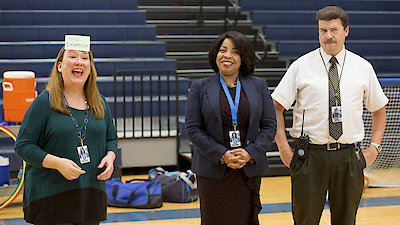
Throughout the episode, the script masterfully balances comedy and drama, ensuring that while the characters may be embroiled in foolish antics, moments of reflection provide depth. Scenes featuring faculty interactions add another layer of complexity, shedding light on how Gamby and Germain’s rivalry affects the staff and students. The teachers at the school find themselves caught in the crossfire, often responding in humorous ways to the increasingly volatile environment created by the vice principals.
As the plot unfolds, The Good Book also introduces a subplot involving a sacred text, which becomes a point of contention within the administration. The significance of this element serves as a metaphor for the broader issues of morality, authority, and educational ethics. Gamby and Germain's differing interpretations of what it represents reveals not only their individual characters but also their conflicting views on what it means to guide future generations.
The episode is peppered with sharp, witty dialogues that capture the absurd essence of the characters’ interactions while providing insight into their vulnerabilities. The stakes are raised as Gamby embarks on a mission that tests his limits both personally and professionally, revealing the lengths he is willing to go to secure his position and what he believes is right. The interactions with students further complicate matters, showcasing a range of reactions—from empathy to rebellion—that reflect the challenges educators face in today’s society.
A key highlight of The Good Book is the way it showcases character development, especially as Gamby and Germain face situations that require them to reflect on their values and decisions. The ongoing rivalry adds a delicious tension that permeates the episode, propelling the narrative forward and keeping the audience engaged. The comedic elements are sharp and resonant, punctuated by moments of genuine concern that bring a sense of realism to the absurdity.
Moreover, the production design and cinematography depict the school setting in a way that enhances the narrative. The vibrant yet chaotic atmosphere of the school mirrors the emotional turmoil of the characters, creating a tapestry of contrasts between order and disorder—a reflection of the duality present in educational institutions.
By the conclusion of the episode, viewers are left contemplating the moral dilemmas presented and the choices each character must face, all while enjoying the humor and unpredictability that Vice Principals is known for. The Good Book acts as a pivotal moment in the season, setting up future conflicts while allowing the audience to witness the continued evolution of its central characters.
With its blend of uproarious humor and thought-provoking themes, The Good Book captures the essence of Vice Principals, offering viewers a nuanced take on the struggles of educational leadership and the complexities of human interactions. As the episode unfolds, it invites reflection on the responsibilities of those who shape young minds, making it a compelling addition to the series and leaving its audience eagerly anticipating what comes next.