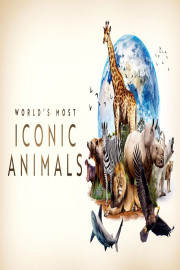
World's Most Iconic Animals

Watch World's Most Iconic Animals

  • 2026
  • 1 Season

oin a cinematic exploration of evolution's masterpieces — the lion, shark, bear, rhino, hippo and caiman — to reveal the forces that shaped them.

World's Most Iconic Animals is a series that ran for 1 seasons (6 episodes) between July 11, 2026 and on

Filter by Source

Seasons
Caiman
6. Caiman
August 15, 2026
Deep in South America's rivers and wetlands, the spectacled caiman endures as a living link to the age of dinosaurs. CGI and scientific insight reveal how its anatomy, behavior and resilience have allowed it to thrive for over 200 million years. From its archosaur origins to its role as a keystone Amazon predator, trace the evolution of today's six species and the armor-plated skin, sharp night vision and spectacles that define it. Witness the Julia butterfly drinking caiman tears, the species' courtship, temperature-shaped hatchlings, and devoted mothers guarding communal nurseries. As an apex hunter facing threats from jaguars and humans, the spectacled caiman remains a testament to adaptation and survival.
Hippo
5. Hippo
August 8, 2026
This episode explores the extraordinary world of the hippopotamus, a powerful yet misunderstood African giant. Descended from ancient anthracotheres and distantly related to whales, hippos are the third-largest land mammal and uniquely adapted to life between land and water. Their thick, collagen-rich skin relies on a pink secretion that acts as sunscreen, moisturizer, repellent and antibiotic. Mutualistic partners like tilapia and oxpeckers help manage parasites. High-set nostrils, underwater bouncing and long-range rumbles support their semiaquatic lifestyle. Territorial males wield massive jaws and tusks, while mothers nurture calves born underwater. As ecosystem engineers, hippos shape rivers with channels and nutrient-rich dung, though climate change threatens this balance.
Black Rhino
4. Black Rhino
August 1, 2026
A relic of prehistory, the black rhino roams Africa's scrublands as both warrior and survivor. This episode traces its evolution from 50 million years ago to the modern fight for survival. With its hooked lip, impenetrable hide, and symbiotic bird allies, the rhino thrives against heat, drought and predators. But its prized horn has made it a target of poachers and a source of peril. Combining CGI with cutting-edge science, uncover how this keystone species shapes its ecosystem and embodies resilience as a living reminder of nature's strength and fragility.
Brown Bear
3. Brown Bear
July 25, 2026
The brown bear's roots can be traced from the evolution of its Ice Age ancestors to today's grizzlies and Eurasian subspecies. With claws, speed and extraordinary senses, bears thrive as omnivores, relying on berries, carrion and salmon runs to fuel their hibernation. The episode explores their biology, maternal devotion and adaptations, like delayed implantation, while linking their survival to bees, salmon and eagles in a web of life. But modern pressures like climate change, habitat loss and food scarcity threaten them. Conservation offers hope, showing how protecting the ecosystems sustains not only bears, but the balance of nature itself.
Bull Shark
2. Bull Shark
July 18, 2026
The bull shark's survival story spans 450 million years, from ancient seas to today's rivers and coastlines. This episode examines its extraordinary adaptability, with the ability to thrive in both salt and fresh waters, and its viviparous reproduction that ensures pups are born strong and ready to hunt. With cartilage skeletons, crushing jaws and unparalleled senses, bull sharks dominate as apex predators, shaping marine ecosystems through their hunting and bump-and-bite tactics. But climate change, reef collapse and overfishing threaten their reign. Science and conservation now hold the key to the breed's future, determining whether these iconic predators adapt or disappear.
Lion
1. Lion
July 11, 2026
From its prehistoric origins to its status as the king of beasts, the lion's story begins 25 million years ago with Proailurus, evolving through Pseudaelurus and the cave lion before climate change and humans drove its decline. Modern lions split into two lineages adapted to Africa and Asia. Their unique social world — prides led by male coalitions and powered by cooperative lionesses — drives survival. Sexual dimorphism defines roles: males defend, while females hunt with precision. Iconic moments like the Mapogo coalition and the great migration reveal their power, while giraffe hunts show high-risk strategies. Today, fewer than 20,000 lions remain, threatened by habitat loss, poaching and conflict. Conservation, from genetic profiling to translocation, offers hope for a species shaped by evolution but reliant on human action.
Description
Where to Watch World's Most Iconic Animals
World's Most Iconic Animals is available for streaming on the website, both individual episodes and full seasons. You can also watch World's Most Iconic Animals on demand at Hulu.
  • Premiere Date
    July 11, 2026