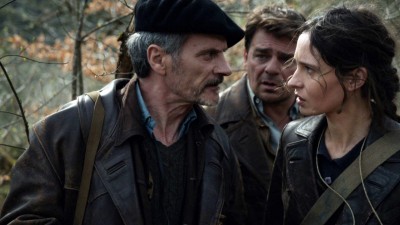
A French Village (English subtitled) Season 5 Episode 1 Paris Liberated
- Not Rated
- November 18, 2014
- 56 min
A French Village returns for its highly anticipated fifth season with the poignant and captivating episode titled Paris Liberated. Set against the backdrop of World War II, this episode marks a significant turning point in the lives of the residents of Villeneuve. As the tides of war shift and the liberation of Paris resonates across France, the villagers contend with the emotional and political turbulence that accompanies a new era of hope and uncertainty.
In the opening scenes, the mood in Villeneuve is palpable, with whispers of change in the air. The episode carefully balances the joy of newfound freedom with the sobering realities that accompany the aftermath of occupation. With French forces rallying, the return of the soldiers and the promise of liberation ignite a mix of emotions among the villagers, ranging from elation to deep-seated apprehension. Viewers are introduced to the struggles faced by characters as they navigate the shifting landscape of their lives, embodying the complexities of resilience and adaptation in times of crisis.
Key characters take center stage in this episode, exploring the themes of identity, loyalty, and moral dilemmas. With Paris liberated, older residents harbor aspirations for a return to normalcy, yet are haunted by memories of betrayal and loss. Younger characters, influenced by idealism and the fervor of a newly liberated French identity, embark on a quest for recognition and agency. The juxtaposition between generations adds depth to the narrative, illuminating the varying responses to liberation and how the shadows of the past influence the future.
As villagers gather for a community meeting, tensions arise as the conversation turns to the fallout from the war. Friendships are tested, and lines are drawn, highlighting the divisions created by those who collaborated with the occupiers and those who resisted. The discussions are fraught with emotion, as the characters must grapple with their choices during the dark days of occupation. This moment serves not only as a reflection of the individual struggles but also as a broader commentary on the collective conscience of a nation emerging from the shadows of war.
Amidst these heavy themes, personal stories unfold. The interplay between relationships brings a human touch to the episode, allowing viewers to witness the dynamics of love, loyalty, and forgiveness. Some characters seek to reconcile their past actions, while others fight for the dignity of those who suffered under the regime. The writers adeptly weave together these narrative threads, enriching the overall storytelling with depth and nuance. As the characters confront their realities, viewers are invited to reflect on their own notions of sacrifice and redemption.
Simultaneously, the episode explores the broader implications of liberation beyond Villeneuve. The impact of news from Paris echoes in everyday conversations, sparking hope for a brighter future while also stirring anxieties about the stability of peace. Through the lens of local characters grappling with global events, the show emphasizes the interconnectedness of personal and political histories. This layered storytelling creates a compelling viewing experience as the audience witnesses the emotional and social ramifications of historical change.
As the village buzzes with anticipation, the episode also introduces newcomers—influential figures who arrive with promises of rebuilding and revitalization. These new players in Villeneuve’s ecosystem add complexity to the narrative, as some villagers see opportunity where others sense ulterior motives. The arrival of these figures provides fertile ground for conflict and collaboration, further enriching the theme of reconstruction in the wake of destruction. Viewers will find themselves empathizing with the characters grappling with trust issues, as they navigate the fine line between hope and cynicism.
Visually, Paris Liberated employs stunning cinematography to depict the beauty of the French countryside, interwoven with the stark realities faced by its inhabitants. The filmmakers take careful consideration in portraying the architecture, landscapes, and symbols of a recovering France, bringing a poignant contrast to the struggles faced by the characters. The aesthetic choices enhance the storytelling, drawing viewers into the atmospheric tension that defines the episode.
As the story unfolds, viewers are left to ponder the essence of freedom and its costs. Paris Liberated masterfully sets the stage for a season of transformation, as the characters move towards an uncertain future filled with myriad possibilities. The episode closes with a sense of anticipation, inviting speculation about the journeys the villagers will embark upon as they seek to rebuild their lives, relationships, and a sense of belonging in a post-occupation world.
Filled with rich character development, emotional depth, and historical context, this season opener of A French Village promises to be both thought-provoking and evocative, ensuring that audiences are left eagerly awaiting what lies ahead in this beloved series.