Art21 - Art in the 21st Century Season 3 Episode 1 Power
- September 16, 2005
In the premiere episode of season 3 of Art21 - Art in the 21st Century, titled "Power," viewers are taken on a journey through the works of three contemporary artists who explore the idea of power and its many manifestations in our world.
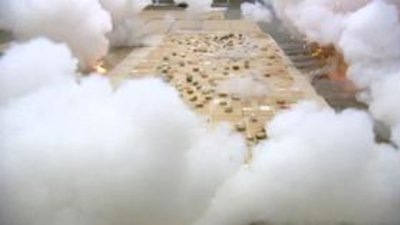
First up is the artist Cai Guo-Qiang, who uses gunpowder to create stunning and intricate works of art. Through his explosive canvases, we see his commentary on the power of destruction and the human impulse towards self-destruction. The episode explores his process, from his initial sketches to the final moment when he ignites the gunpowder and watches it take shape on the canvas.
Next, the episode features the multi-disciplinary artist Laylah Ali, whose drawings and paintings explore themes of power and domination through the lens of childhood. Her works depict miniature figures engaging in sometimes violent and sinister acts, creating a commentary on the way power dynamics play out in both personal and political contexts. Viewers get an intimate look at Ali's creative process, including the ways in which she draws inspiration from her everyday life and the sometimes fraught political climate of the United States.
Finally, the episode concludes with the sculptor Krzysztof Wodiczko, who creates large-scale public installations that use light projections and other visual effects to interrogate power and its effects on society. Wodiczko's works include projections onto government buildings and monuments, highlighting the often oppressive nature of these structures. Through interviews with the artist, viewers gain insight into the intentions behind these projects and the ways in which he hopes to incite social change through his art.
Throughout "Power," viewers are asked to consider the ways in which power functions in our world and the many forms it can take. The artists featured in this episode offer unique perspectives on a concept that is integral to the human experience, creating powerful and thought-provoking works that invite viewers to engage with these questions in a new way.
