Boogiepop Phantom Season 1 Episode 10 Poom Poom
- TV-14
- October 9, 2001
- 23 min
In the tenth episode of Boogiepop Phantom, titled Poom Poom, the intricate web of psychological horror and urban legend unfolds further, shedding light on the fragmented narratives that have characterized the series thus far. With its signature non-linear storytelling, this episode invites viewers into the shadowy corners of a city plagued by fear, isolation, and the weight of existential dread.
As the episode opens, the atmosphere is thick with tension, reflecting the struggles of the characters as they navigate their emotional and mental landscapes. The aesthetic of Poom Poom captures a blend of surreal imagery and an eerie soundscape, amplifying the unsettling nature of the events that are about to unfold. The animation style, paired with haunting music, creates an immersive experience that serves to deepen the unease felt by the audience.
Central to this episode is the exploration of themes such as identity and the impact of trauma. Characters grapple with their past experiences, each haunted by their own demons. These personal struggles are depicted through vivid dream sequences, fragmented flashbacks, and surreal transformations, leaving viewers to piece together their significance. The episode encourages audiences to delve into the psychological underpinnings of each character's actions, prompting questions about the nature of reality and the influence of perception.
With a focus on one particular character, the narrative begins to unravel secrets that have long been buried. Their interactions with others reveal a complex web of relationships, marked by longing, misunderstanding, and unspoken truths. These elements intertwine to create a poignant commentary on the human condition—how individuals connect and disconnect in a rapidly changing world.
As the episode progresses, the motif of sound plays a crucial role. The title, Poom Poom, references a recurring auditory cue that reverberates throughout the scenes. This sound becomes a symbol of impending dread, an audible manifestation of the characters' inner turmoil. The careful use of silence and sound dynamics not only enhances the atmospheric tension but also reflects the characters' psychological states, often mirroring their emotional conflicts.
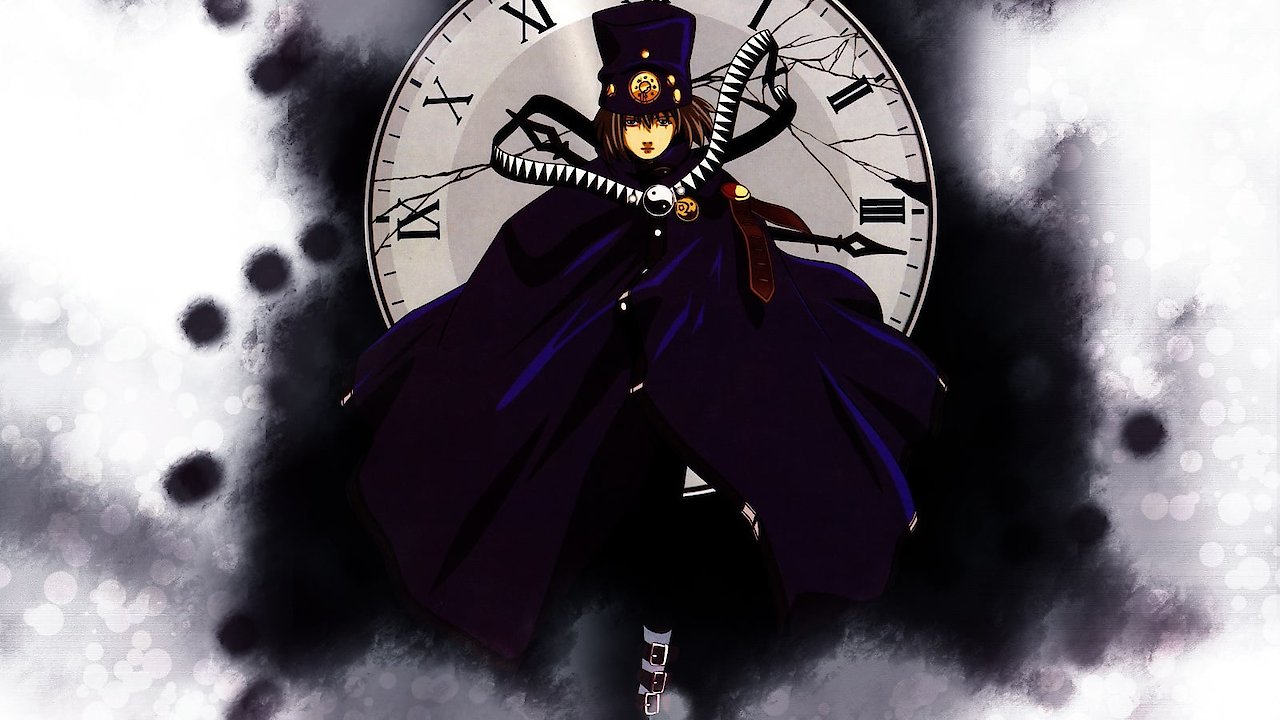
Visually, the episode employs striking contrasts between light and dark, which serve to accentuate the emotional weight of the various interactions portrayed. The careful choreography of the characters' movements, often reminiscent of a dance, elevates the narrative into a more poetic realm. The visual style is both captivating and disorienting, reflecting the characters’ inner chaos and the overarching themes of alienation and existential inquiry.
In addition to the personal struggles of the characters, Poom Poom introduces broader societal themes that resonate within the context of the series. The sense of disconnection within a seemingly bustling city underscores the paradox of modern life, where individuals can feel profoundly lonely despite being surrounded by others. This theme becomes paramount as the characters confront their place in the world and seek meaning amidst the chaos.
The dialogue throughout the episode is sparse yet impactful. Conversations often hint at deeper layers of meaning, inviting viewers to interpret the subtext and consider what remains unsaid. This strategy aligns with the show's penchant for ambiguity, encouraging an active engagement from the audience as they navigate through the psychological intricacies presented.
As the episode approaches its climax, the pacing escalates, drawing viewers into a whirlwind of emotions and revelations. The culmination of tension, both narratively and visually, leads to moments that are equal parts haunting and introspective. Each character faces a moment of reckoning, challenged to confront their fears and the darker aspects of their psyche.
Poom Poom encapsulates a pivotal moment in Boogiepop Phantom’s overarching narrative, revealing underlying connections between episodes while maintaining a distinctiveness that highlights the character-driven storytelling. It endeavors to leave a lasting impression through its thought-provoking themes and unsettling atmosphere, prompting contemplation long after the credits roll.
Overall, this episode serves as an exploration of the human psyche from a uniquely abstract perspective, standing as a testament to the artistry of Boogiepop Phantom. By the end of Poom Poom, viewers are left to ponder the nature of their own fears and the shared experiences that bind us, even amidst the bleakness of existence, all woven together by the haunting presence of Boogiepop.