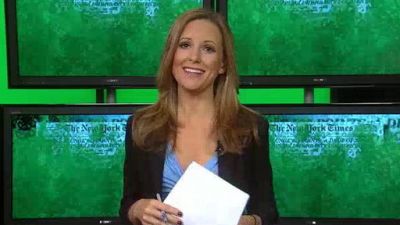
Capital Account Season 1 Episode 99 Lew Rockwell Explains How the Federal Reserve Enables War, Empire, and Destroys the Middle Class
- TV-PG
- October 18, 2012
As the world economy becomes increasingly complex, it's more important than ever to understand how one of its key players - the Federal Reserve - functions. In this episode of Capital Account, host Lauren Lyster sits down with libertarian author and activist Lew Rockwell to explore the many ways in which the Federal Reserve enables war, empire, and destroys the middle class.
Rockwell, who is the founder and chairman of the Ludwig von Mises Institute, wastes no time in diving into the many ways in which the Federal Reserve has distorted the economy. He argues that the institution's monetary policy has been largely responsible for the widening wealth gap and diminishing purchasing power of the dollar.
Throughout the episode, Rockwell employs his signature brand of wit and wisdom to make complex economic concepts accessible to viewers. He explains, for example, how inflation works by pointing out that "the guys who print the money get to spend it first, and that's a pretty sweet deal."
Rockwell also takes aim at the Fed's role in facilitating America's never-ending wars. He argues that the institution's ability to create money out of thin air allows politicians to fund military adventures without having to ask the American people to pay for them directly. This, in turn, makes it easier for politicians to commit to wars that might not be in the nation's best interest.
But it's not just wars that the Federal Reserve enables. Rockwell also highlights how the institution is responsible for propping up America's bloated welfare state. He argues that the Fed's ability to create money tends to benefit politically-connected insiders, rather than the middle and working classes.
Overall, this episode of Capital Account provides a fascinating and timely look at the Federal Reserve's role in shaping the modern world economy. Rockwell's insights are sure to challenge viewers' assumptions about money, power, and the state. Whether you're an economics expert or a complete newcomer to the subject, there's something in this episode for everyone.