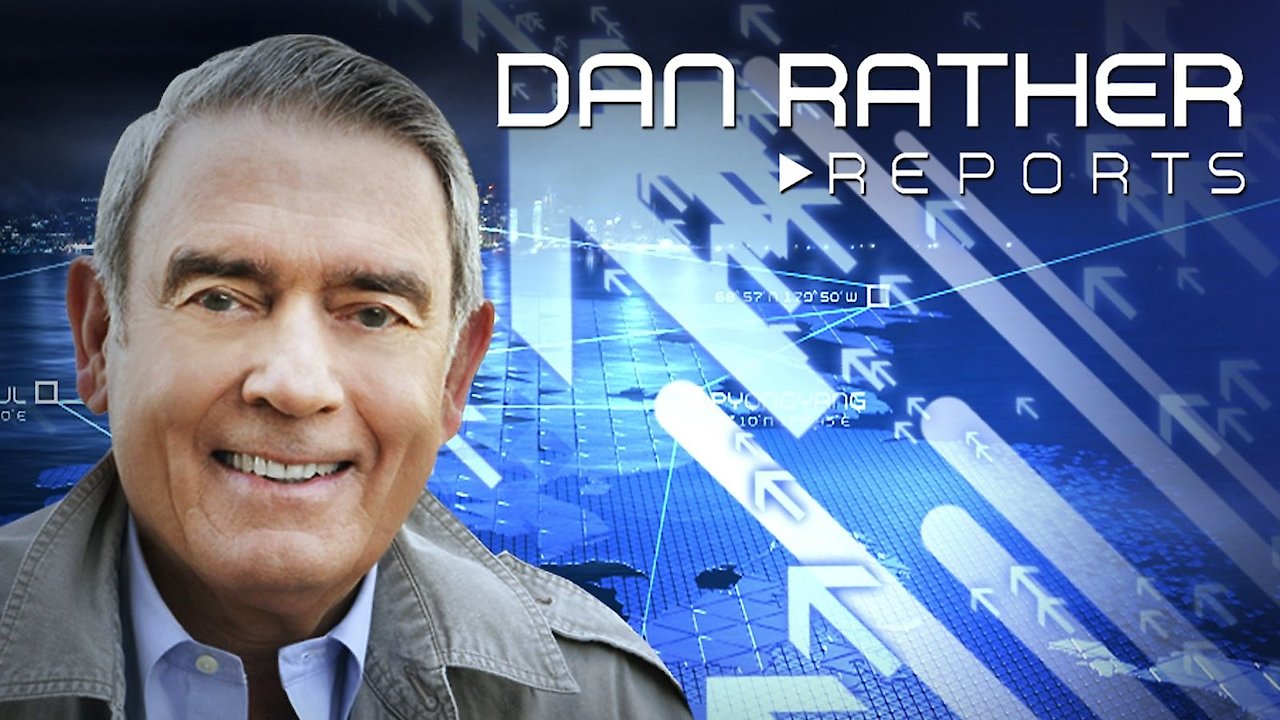
Dan Rather Reports Season 1 Episode 5 Exxon Valdez
- December 12, 2006
Dan Rather Reports season 1 episode 5, titled Exxon Valdez, delves into one of the most notorious environmental disasters of the late 20th century—the catastrophic oil spill off the coast of Alaska in 1989. This gripping episode presents a comprehensive examination of the event, its far-reaching implications, and the ongoing struggle for accountability and justice that has followed in its wake.
From the outset, the episode sets the stage by recounting the circumstances surrounding the infamous incident when the Exxon Valdez, a large oil tanker, struck a reef in Prince William Sound, releasing millions of gallons of crude oil into the pristine waters. This disaster not only devastated the local ecosystem but also had a profound impact on the communities that depended on the ocean for their livelihood. Through a blend of firsthand accounts, expert interviews, and rare archival footage, the episode paints a vivid picture of the chaos that followed the spill.
The narrative unfolds by highlighting the initial response to the disaster, showcasing the challenges faced by the Coast Guard and Exxon Mobil Corp. in combating the immediate effects of the spill. Viewers will be taken behind the scenes to understand the complexity of the cleanup operations, which were hampered by difficult weather conditions and the sheer volume of oil that had flooded the coastline. The episode does not shy away from addressing the inadequacies and mismanagement that plagued the response, painting a stark portrait of the human and environmental costs of such catastrophic events.
In the course of the episode, Dan Rather and his team explore the socioeconomic consequences faced by local fishermen and indigenous communities, whose lives were thrown into disarray by the spill. Interviews with affected residents reveal the deep emotional scars left behind, as many lost their means of income and were forced to grapple with the long-term environmental degradation. This poignant examination of human suffering provides a personal touch to the otherwise technical discussions around the disaster's impact.
A significant focus of the episode is on the legal and regulatory battles that emerged in the aftermath of the Exxon Valdez spill. Rather investigates the multifaceted litigation that unfolded, shedding light on the roles of various stakeholders, including government agencies, Exxon, environmental groups, and victims seeking restitution. The episode articulately discusses the complexities of environmental law and the moral dilemmas faced by all parties involved, offering insights into how legal precedents were shaped as a result of this disaster.
Furthermore, the episode addresses the broader implications of the spill for environmental policies and corporate accountability. As the narrative progresses, it engages with experts on environmental science and law, who discuss how the Exxon Valdez incident has acted as a catalyst for change within the oil industry and beyond. Conversations touch on legislation like the Oil Pollution Act of 1990, aimed at preventing similar disasters and enforcing stricter operational protocols for oil transportation and drilling. Audiences will gain a deeper understanding of how public perception regarding corporate responsibility has evolved since the incident, influencing policies that govern environmental protections today.
In a striking moment, the episode also examines the media's role in shaping public awareness and opinion surrounding the disaster. Rather reflects on how the spill attracted national and international attention, leading to an increased scrutiny of the oil industry's practices and a surge in grassroots environmental activism. The episode emphasizes the importance of informed public discourse in holding corporations accountable, making it clear that the Exxon Valdez spill was not merely a localized incident but a pivotal moment in the global conversation about environmental stewardship.
Through the combination of investigative journalism, personal narratives, and state-of-the-art production, this episode of Dan Rather Reports offers a multidimensional view of the Exxon Valdez disaster. Rather’s seasoned approach invites viewers to contemplate the interplay between industry practices, environmental conservation, and community resilience. By the end of the episode, audiences will not only understand the immediate aftermath of the disaster but will also be provoked to reflect on ongoing issues of environmental degradation and climate change that remain relevant today.
Overall, Exxon Valdez stands as a compelling exploration of a significant event that shaped environmental policy and public consciousness. It serves as a reminder of the enduring consequences of corporate negligence and the crucial need for ongoing vigilance to protect our planet's fragile ecosystems. As Dan Rather Reports continues to shine a light on these important topics, viewers are left with a heightened awareness and a call to action to engage in the ongoing dialogue about our environmental responsibilities.
