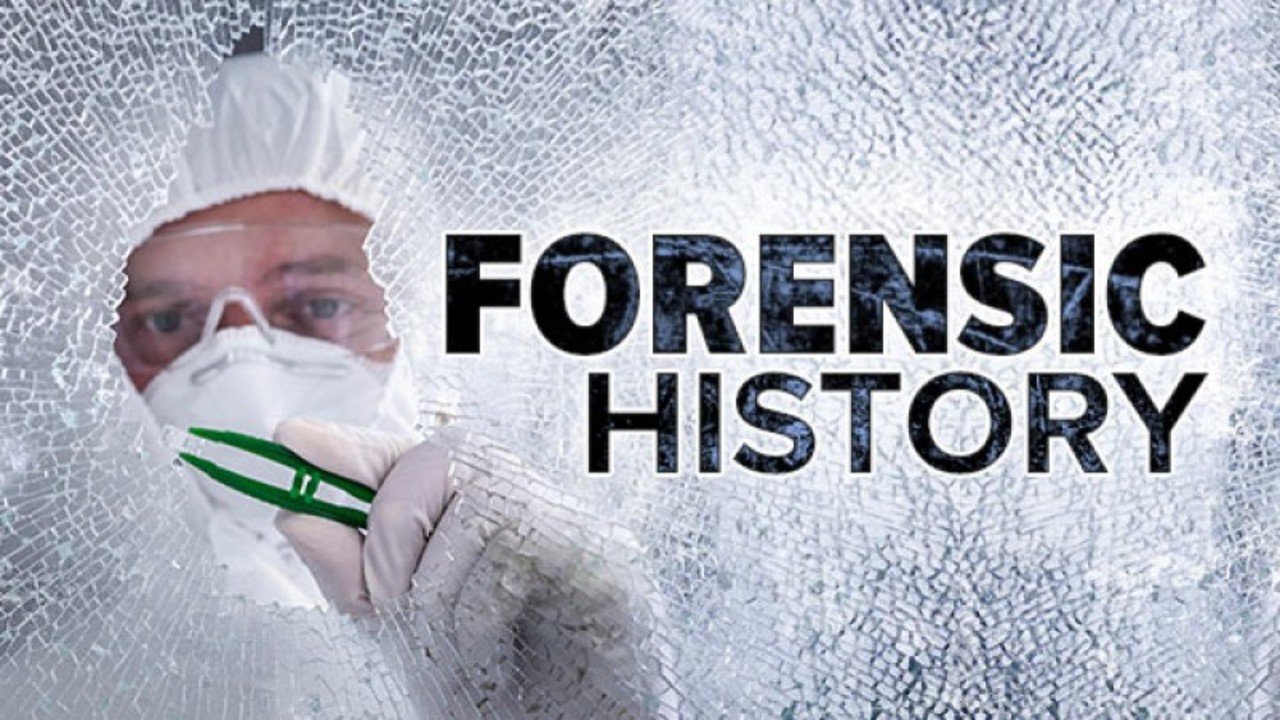
Forensic History: Crimes, Frauds, and Scandals Season 1 Episode 13 How Reliable is Eyewitness Testimony?
- TV-PG
- December 15, 2014
- 29 min
Forensic History: Crimes, Frauds, and Scandals season 1 episode 13, "How Reliable is Eyewitness Testimony?" explores the validity and accuracy of eyewitness testimony in criminal trials. The episode takes a deep dive into the history of eyewitness testimony and its impact on criminal justice proceedings from centuries past to the modern-day.
Experts in the field of psychology and law enforcement provide their insights on the flaws and potential unreliability of eyewitness testimony. The episode focuses on several case studies that highlight the inconsistencies and errors that can occur in eyewitness testimony.
Viewers learn about the well-known case of Ronald Cotton, who was wrongly convicted of rape due to the false testimony of eyewitness Jennifer Thompson, who claimed she was positive that he was the attacker. It was later revealed that Thompson's faulty memory and error in identifying Cotton led to his wrongful conviction.
The episode also delves into the case of George Junius Stinney Jr., an African American boy who was convicted of murder in 1944 based solely on the eyewitness testimony of two white girls. Despite no physical evidence linking Stinney to the crime and major inconsistencies in the eyewitness testimony, he was executed at the age of 14. This case serves as a tragic reminder of the potential dangers and injustices that can occur when eyewitness testimony is the primary evidence in a criminal trial.
The episode also discusses the influence of external factors such as race and age on eyewitness testimony. Research has shown that individuals may have difficulty identifying faces of those who are of a different race than themselves, and that the accuracy of eyewitness testimony can decrease as a person ages. Viewers learn about the potential biases that can occur during police lineups and the tactics that law enforcement officials can use to improve the accuracy of witness identifications.
In addition to exploring the potential flaws in eyewitness testimony, the episode also highlights alternative methods of criminal investigations that utilize technology and forensic evidence. Viewers learn about the role that DNA testing has played in exonerating those who were wrongly convicted based on eyewitness testimony.
Finally, the episode ends with a discussion on the steps that can be taken to improve the accuracy and reliability of eyewitness testimony in criminal trials. Experts offer their strategies for improving witness identifications, such as double-blind lineups and the utilization of unbiased questioning techniques.
Overall, Forensic History: Crimes, Frauds, and Scandals season 1 episode 13 provides a thought-provoking examination of the trustworthiness of eyewitness testimony and its impact on the criminal justice system. Through fascinating case studies and expert analysis, viewers are left with a greater understanding of the potential flaws in eyewitness testimony and the steps that can be taken to ensure a fair and accurate legal system.
