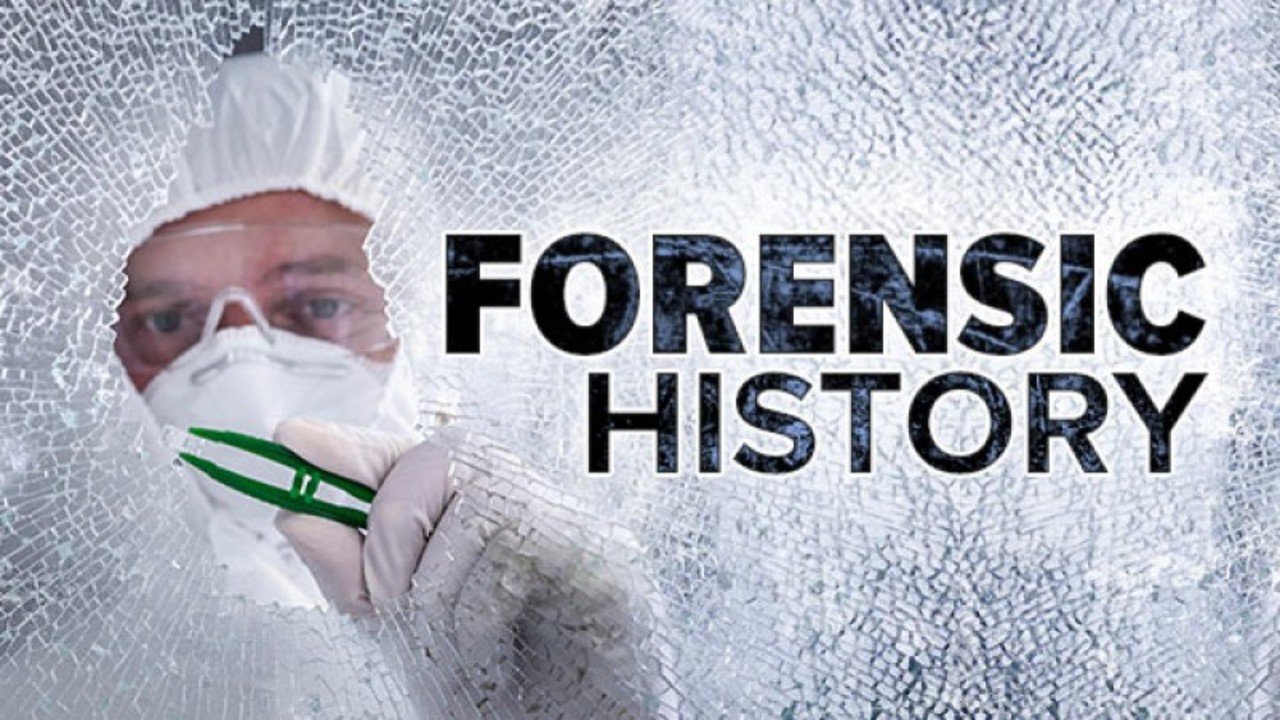
Forensic History: Crimes, Frauds, and Scandals Season 1 Episode 14 The Truth behind False Confessions
- TV-PG
- December 15, 2014
- 30 min
Forensic History: Crimes, Frauds, and Scandals is an investigative series that delves into some of history's most fascinating and notorious crimes. In season 1, episode 14, titled The Truth behind False Confessions, the show explores the complex issue of false confessions and how they have impacted criminal justice throughout history.
The episode begins by introducing viewers to the concept of a false confession and how it can occur. The show highlights several real-life examples of false confessions, including the case of 14-year-old Ryan Ferguson who was wrongfully convicted of murder in 2005 based on a false confession. Through interviews with experts in the field of criminal justice, the show explains why people sometimes confess to crimes they did not commit, and the consequences of these false confessions.
As the episode progresses, the show takes a deep dive into the investigative techniques used by law enforcement to extract confessions from suspects. The show illuminates the controversial practices of "interrogation tactics," a technique that, in some instances, border on the abusive, with detectives using lies and tricks to get suspects to confess to crimes they did not commit. The episode examines the role that psychological manipulation can play in leading a person to confess falsely, and how this can lead to wrongful convictions.
The Truth Behind False Confessions also delves into the science of forensic psychology and how it is used to determine whether a confession is true or false. The show interviews Dr. Richard Leo, one of the world's leading experts on false confessions, who explains how forensic psychology is used to identify key indicators of false confessions. The show also examines some of the limitations of forensic psychology, highlighting the need for comprehensive training of law enforcement officials to prevent coerced confessions.
Throughout the episode, Forensic History: Crimes, Frauds, and Scandals explores several high-profile cases of false confessions, showcasing how these cases have impacted the legal system and shaped public perception of law enforcement. The show provides a balanced and nuanced examination of the issue of false confessions, showcasing the perspectives of law enforcement officials, forensic psychologists, and exonerees.
The episode is skillfully shot and edited, with interviews interspersed with dramatic reenactments of key events and archival footage. The show's pacing and editing keep the viewer engaged and invested in the story, while its use of expert interviews and real-life examples lend it credibility and depth.
Overall, The Truth behind False Confessions is a fascinating and informative episode of Forensic History: Crimes, Frauds, and Scandals that tackles a complex issue with nuance and intelligence. It provides a comprehensive and balanced examination of the issue of false confessions, highlighting its impact on the legal system and society as a whole. Forensic History: Crimes, Frauds, and Scandals is a must-watch series for anyone interested in criminal justice, psychology, or history.
