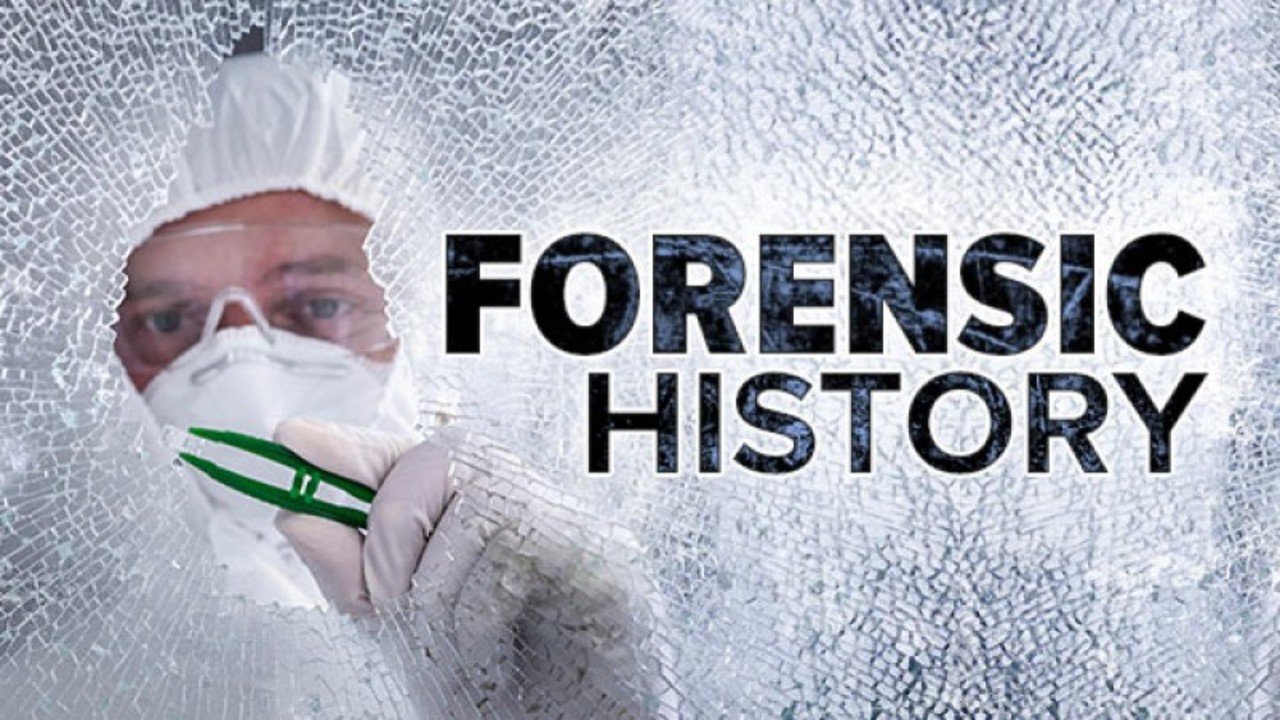
Forensic History: Crimes, Frauds, and Scandals Season 1 Episode 20 The Nazis and the Witch of Buchenwald
- TV-PG
- December 15, 2014
- 30 min
Forensic History: Crimes, Frauds, and Scandals season 1 episode 20 titled The Nazis and the Witch of Buchenwald explores the dark and disturbing history of the Buchenwald concentration camp during World War II. The notorious camp, located in Germany, was home to some of the most horrific acts committed by the Nazis during the Holocaust, and it is here that the story of Ilse Koch, also known as the "Witch of Buchenwald," takes center stage.
Koch was the wife of Karl Koch, the commandant of Buchenwald, and together they oversaw the day-to-day operations of the camp. However, it was Ilse's reputation for being particularly sadistic and depraved that earned her the moniker of "Witch." It is believed that Koch had a fascination with human skin, and that she ordered prisoners to be killed so that their tattoos could be removed and preserved. She would allegedly then use the skin to make lampshades, book covers, and other macabre household items.
The episode examines the evidence surrounding these claims, and whether they can be substantiated by modern forensic techniques. The forensic examination of various items, such as the infamous lampshades made of human skin, provides insight into the realities of life in the camp during this dark period in history. Additionally, interviews with historians and experts shed light on the wider historical context of the Holocaust, including the role of concentration camps and the atrocities committed by the Nazi regime.
The episode also delves into the controversy surrounding Ilse Koch’s trial and conviction. Many historians argue that the evidence used against her was sparse and circumstantial, and that she was ultimately used as a scapegoat to distract from the larger crimes of the Nazi regime. However, others contend that the evidence against her was compelling, and that she was deserving of the punishment she received.
Throughout the episode, the forensic analysis of evidence, including human remains, provides a sobering glimpse into the horrors of the concentration camp system. The episode also explores the challenges faced by investigators trying to piece together a complex historical narrative with limited resources, as well as the ethical implications of using forensic evidence to investigate crimes of this magnitude.
Overall, The Nazis and the Witch of Buchenwald presents a chilling examination of one of the darkest periods in human history, and the role forensic analysis can play in understanding and documenting past atrocities. With a focus on the facts, rather than sensationalism, the episode seeks to honor the memory of the victims of Buchenwald while providing a sobering reminder of the consequences of unchecked cruelty and oppression.
