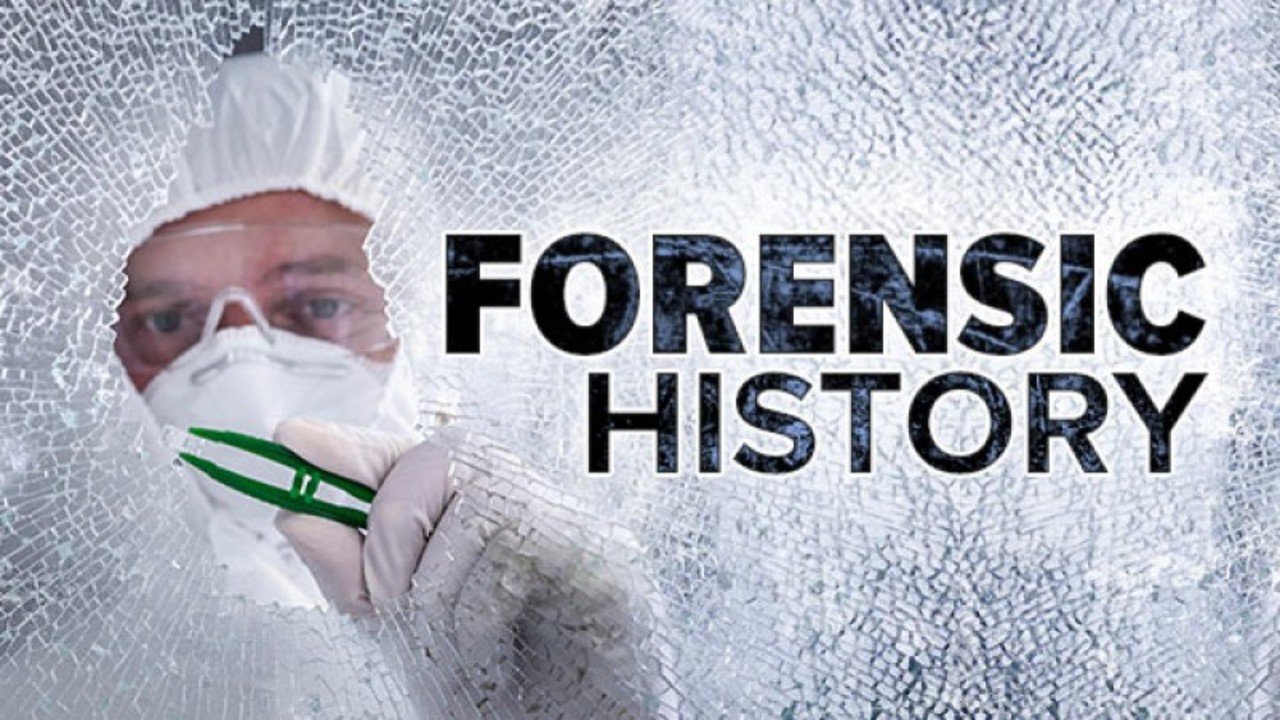
Forensic History: Crimes, Frauds, and Scandals Season 1 Episode 7 Copycats and Hoaxes
- TV-PG
- December 15, 2014
- 31 min
Forensic History: Crimes, Frauds, and Scandals is an investigative series that explores some of the most notorious cases throughout history and analyzes how forensic evidence played a crucial role in cracking the case. In season 1 episode 7, titled "Copycats and Hoaxes," viewers are taken on a journey through some of the most audacious schemes and hoaxes in history.
The episode kicks off by examining the famous crop circle phenomenon that swept through England in the late 1970s. Thousands of intricate and complex patterns appeared overnight in fields and were often dozens of meters wide. Many believed they were evidence of alien visitations or otherworldly phenomenon. However, forensic experts were able to debunk these claims and reveal the true culprits behind the mystery.
The show then delves into the infamous "Piltdown Man" hoax, which fooled the scientific community for over forty years. The discovery of a human skull and ape-like jaw in a gravel pit in Sussex seemed to confirm the theory of evolution, but in reality, it was an elaborate forgery dreamed up by amateur archaeologist Charles Dawson. By analyzing the bones, dental records, and other forensic evidence, investigators were able to uncover the truth behind this stunning deception.
The episode also looks at a bizarre case from the 1980s when a woman claimed she was being haunted by the spirit of a murdered man. The case gained national media attention, and the woman eventually led investigators to a shallow grave where a man's body was found. However, forensic evidence later proved that the woman had planted the evidence and murdered the man to cover up a debt.
Moving on to the world of art forgery, the show profiles the notorious Wolfgang Beltracchi, who managed to dupe some of the world's most prominent art galleries into selling his fake masterpieces. By using old canvases and mixing his own paint, Beltracchi was able to create dozens of fake paintings that fetched millions of dollars. But forensic techniques eventually caught up with him, and he was sentenced to six years in prison.
The episode concludes with perhaps the most audacious case of all, the "Great Moon Hoax" of 1835. A New York newspaper published a series of articles claiming that a British astronomer had discovered life on the moon, including bat-like winged humanoids and unicorns. But it was all a fabrication dreamed up by the newspaper's publisher. Despite the outlandish claims, the hoax was incredibly believable at the time, and it took years for the truth to be uncovered.
Overall, "Copycats and Hoaxes" is an absorbing episode that showcases some of the most brazen and intricate frauds in history. It's a fascinating look at how forensic science has been used to unravel some of the most perplexing mysteries and how it can still be challenged by cunning and innovative fraudsters. Viewers will be taken on a journey through history that is both thrilling and informative.
