Foyle's War Season 6 Episode 3 All Clear
- TV-NR
- April 20, 2008
- 92 min
-
8.5 (589)
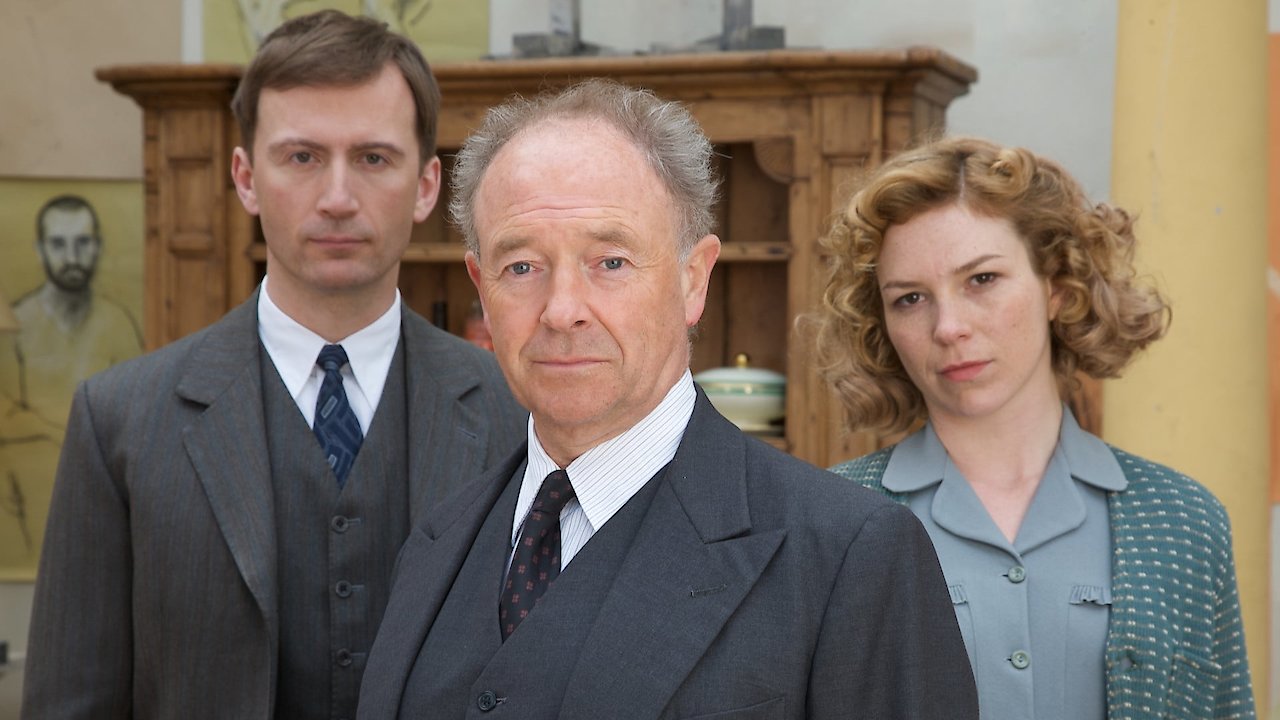
Foyle's War, set against the backdrop of World War II, continues its gripping narrative in Season 6 with the third episode titled All Clear. The series, known for its rich storytelling and intricate character development, explores the social and political upheavals of wartime England through the eyes of Detective Chief Superintendent Christopher Foyle, played masterfully by Michael Kitchen.
In this episode, the conflict progresses, not just on the battlegrounds abroad but within the changing landscape of British society in the aftermath of the war's conclusion. Foyle's keen sense of justice and his relentless pursuit of the truth lead him into the heart of various moral dilemmas that complicate the issue of post-war peace.
As the episode begins, the atmosphere is charged with uncertainty. The war may be coming to an end, but the repercussions of conflict still resonate throughout the community. The local populace grapples with the adjustment to a new reality, filled with hopes of rebuilding and anxieties over what has been lost. This social context serves as a backdrop for the tense investigation that Foyle finds himself embroiled in.
The narrative follows Foyle as he delves into a newly emerged case: a suspicious death that prompts questions about the shadows cast by the war. As he gathers clues, the investigation unveils layers of complexity involving a cast of characters who each respond differently to the evolving moral landscape. This assortment offers a window into the lives of everyday citizens affected by the war's aftermath, revealing how personal traumas and collective guilt shape their interactions and choices.
Foyle collaborates closely with his steadfast assistant, Sam Wainwright, brought to life with charm and depth by Honeysuckle Weeks. Their dynamic continues to evolve, showcasing a professional bond that is both respectful and reflective of their shared experiences in navigating the turbulent times. As they sift through evidence and interview witnesses, viewers gain insights not only into the central mystery but also into the evolving roles of women in a post-war society.
The season's thematic exploration of justice is poignantly juxtaposed with the reality of wartime atrocities, forging a narrative that questions the cost of peace. Foyle’s methods remain steadfastly principled, often clashing with the darker impulses of those around him who yearn for swift closure at any moral expense. The contrast heightens the emotional tension as Foyle wrestles with his integrity and his commitment to uncovering the truth.
All Clear also thoughtfully touches upon the complexities of human relationships under the strain of war's consequences. It examines how love, betrayal, and sacrifice take on new meanings in a climate where survival instinct prevails. The episode introduces compelling new characters that add depth and intrigue to the storyline, weaving their histories into the larger tapestry of societal change.
Against the rich visual palette of the English countryside and the show's meticulous period detail, viewers are treated to a sensory experience that enhances the intensity of the unfolding drama. The cinematography complements the narrative, amplifying moments of suspense as Foyle narrows down on the truth while navigating dangerous waters.
As the narrative gains momentum, the plot twists and turns, captivating audiences who are drawn into the mystery. The tension builds with each uncovering of secrets while also pushing the narrative toward profound revelations about the human condition, ultimately exploring the essence of atonement and redemption.
With its intelligent writing and layered performances, All Clear encapsulates the essence of Foyle's War, leaving viewers on the edge of their seats as they consider the broader implications of the story. The pacing is expertly crafted, balancing moments of quiet introspection with the urgency of crime-solving, maintaining a rhythm that keeps engagement high throughout.
This episode is not just a whodunit; it’s an exploration of how the remnants of war linger long after the guns have fallen silent, presenting a meditation on the true meaning of justice in a world marked by conflict. It invites viewers to ponder the intricacies of moral responsibility amid societal upheaval, illustrating that the scars of war extend far beyond the battlefield.
All Clear promises to deliver another compelling chapter in the saga of Foyle, one that continues to resonate with themes of resilience, humanity, and the quest for truth in tumultuous times. As the concluding scenes unfold, audiences will be left reflecting on the choices made in the pursuit of peace and the cost of personal and collective histories.