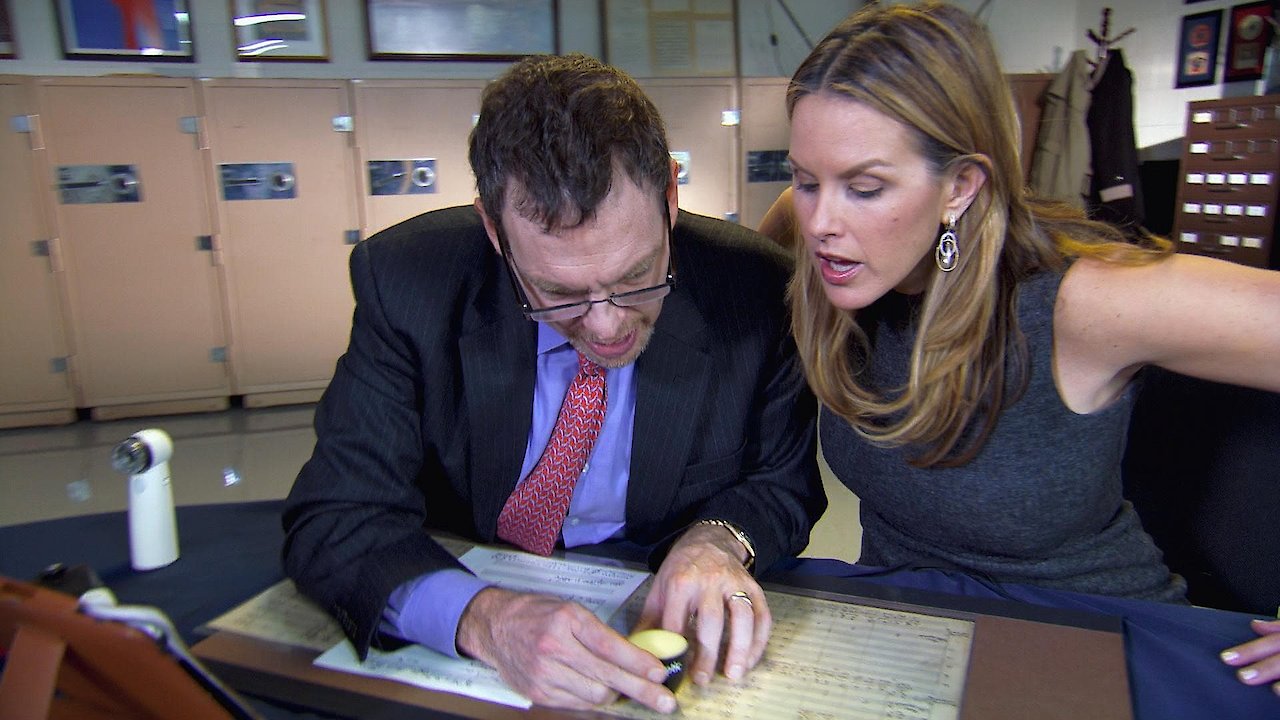
History Detectives Season 1 Episode 9 Sheridan's House; Mark Twain Watch; Prisoner Poem
- September 1, 2003
In season 1, episode 9 of History Detectives, our team of experts dive into three unique historical mysteries. The first investigation revolves around an old house in Sheridan, Wyoming that was once owned by a local general during the Indian Wars. The house has long been believed to have a secret tunnel, but the question remains: why did the general need a secret escape route from his own home? History Detectives examine the house's construction and layout to determine if a tunnel truly exists and what its purpose may have been.
Next, the team takes on a seemingly straightforward task- to authenticate a watch that is believed to have belonged to the famous author, Mark Twain. Upon further investigation, they discover that the watch was gifted to Twain by a close friend and former Union soldier, with whom Twain had an interesting relationship. The History Detectives examine the watch's engravings and history to determine its authenticity and uncover the unique backstory behind the watch's origins.
Finally, in Prisoner Poem, the team turns their attention to a poignant piece of poetry that was discovered in an antique store. The poem is signed by a man named Robert Watson, a prisoner held in a Civil War Union camp. The History Detectives attempt to track down Watson's descendants to learn more about his life and to see if they can authenticate the poem's authorship. Along the way, they uncover some surprising revelations about life in a Civil War prison camp and the human cost of war.
Throughout each investigation, the experts utilize a variety of techniques and resources. They consult with historians and experts in the field, use cutting-edge technology to uncover hidden clues, and rely on old-fashioned detective work to piece together the puzzles of these fascinating historical mysteries. With each story, the History Detectives reveal new insights into the past and shed light on events and people that have long been forgotten.
