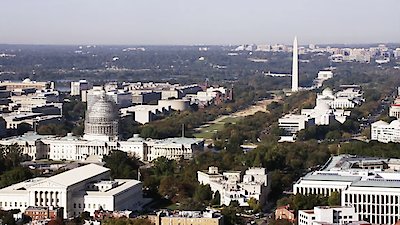
If We Built It Today Season 2 Episode 1 Washington, DC Reborn
- January 24, 2021
- 82 min
If We Built It Today is a popular television series that seeks to explore some of the best-known architectural designs across the world by questioning whether those designs still meet the needs of our contemporary society or if we would do things differently if we started from scratch today. In season 2, episode 1, the show's team travels to Washington, DC, to explore how they would reimagine the classical city in the modern-day. Titled "Washington, DC Reborn," this episode packs deep historical and architectural insights that make it a must-watch for anyone interested in urban planning, history, and architecture.
The show starts by acknowledging the monumental importance of Washington, DC, and its unique design, which was created over two centuries ago by French architect Pierre Charles L'Enfant. Its architecture has been praised for the grid-like structure that added practicality to appeal and lends a sense of grandeur and continuity that cannot be found anywhere else. However, with the rapid growth and change of the modern-day city, the team on the show wonders whether the city design is still fit for purpose.
Throughout the episode, the team explores some of the most iconic sights of Washington, DC, including the US Capitol and the White House. The episode delves into significant conversations about how Washington, DC, can still be considered relevant today as a political space and how its design has influenced the city's social fabric. They also assess the current city' s needs, such as traffic, green spaces, infrastructure, and flood management, and discuss how they would rebuild these from scratch if they started afresh with today's technology.
The team consults with a panel of experts to explore various areas that would need to be re-imagined if Washington, DC was rebuilt today. They select experts from different fields, from urban planners to climate scientists, to assess the city's needs comprehensively. Some of the topics that the team digs into include adapting the city design to reduce the effects of climate change, conceptualising a new public transport network to replace the current system, and creating modern spaces for social engagement.
One of the essential architectural designs the team evaluates is the symmetrical layout of Washington, DC. Even though current residents see it as iconic, the show's experts point out that the layout does have its downsides and limitations. For example, the panel discussion highlights the uniform layout's lack of space that cities like New York and Chicago are famous for, especially vertical multi-purpose buildings that maximize limited space. However, the team's experts weigh in the historical significance and symbolic capital of the city design in a nuanced evaluation.
Furthermore, a crucial aspect explored in the show is the city's lack of green spaces that would accommodate the city's fast-growing population. With the modern-day emphasis on sustainability and conservation of natural resources, the show envisions a future Washington, DC with more parks, green roofs, and eco-friendly buildings. The episode explores contemporary landscaping techniques that would provide the necessary social space for people to relax and rejuvenate in a vibrant urban environment.
In conclusion, "Washington, DC Reborn" is an intriguing episode of If We Built It Today that delves into the possibility of transforming an iconic city into a modern, sustainable place with equal opportunity for social engagement. The show's critical examination of Washington, DC's classical design from a present-day perspective not only highlights the challenges of rebuilding the city from scratch but also reveals possibilities that could make it a model city for the 21st century. Overall, this episode is an exceptional resource for creating necessary conversations about urban planning and how to design cities that meet contemporary needs while preserving historical landmarks' cultural significance.
