Lockup Extended Stay Season 11 Episode 2 The Box Life
- TVPG
- July 9, 2011
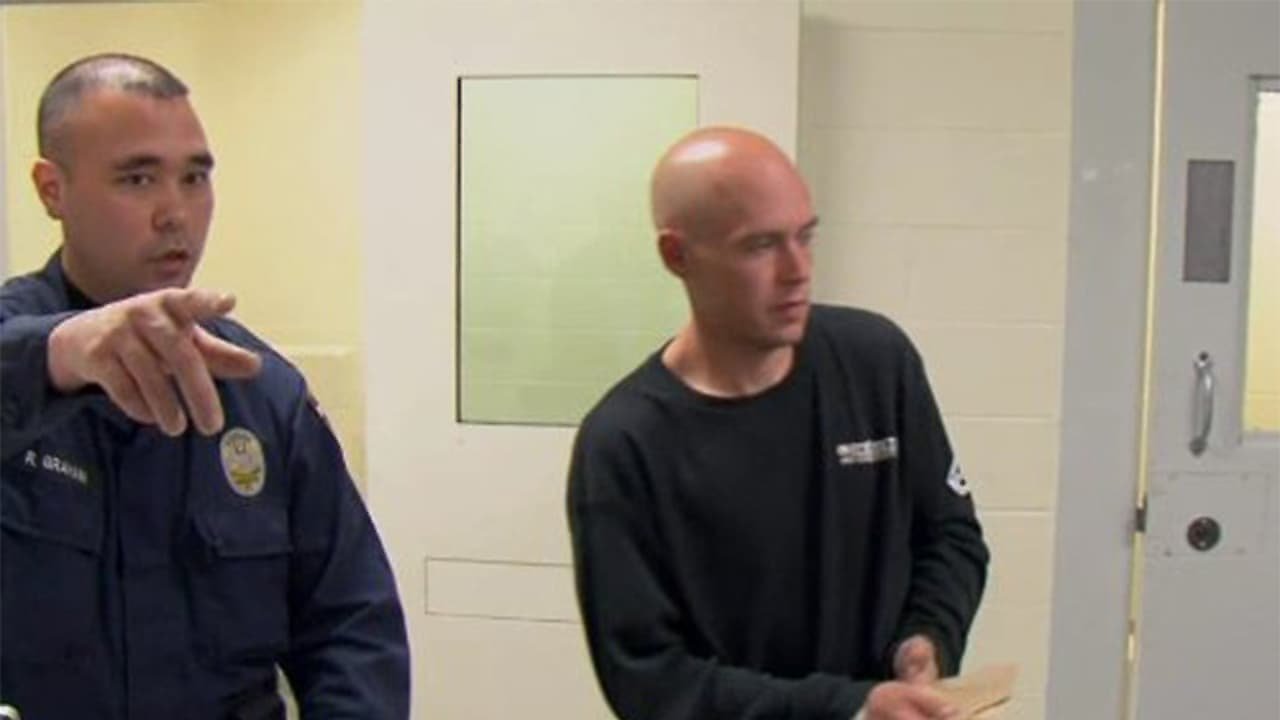
In season 11 episode 2 of Lockup: San Quentin- Extended Stay, titled "The Box Life," viewers are transported inside the walls of one of the most notorious maximum-security prisons in the United States: San Quentin State Prison. The episode offers an insightful and jarring look at the daily routine of inmates living in "the box," a solitary confinement unit designed to punish and isolate prisoners who break institutional rules.
The show begins with an introduction to San Quentin's Adjustment Center, a housing unit that houses some of the prison's most dangerous and disruptive residents. The facility is designed to provide round-the-clock surveillance of its occupants, with cameras observing every angle of the small cells. The cells themselves are constructed entirely of concrete, with inmates forced to do everything from sleeping to exercising within the confined space.
The episode's primary focus is on two key inmates, both of whom are serving extended stays in solitary confinement. The first is Andrew, a convicted murderer who has been living in "the box" for over a year. Despite his seemingly nonchalant demeanor, Andrew is struggling with the isolation and lack of human interaction. He spends most of his days pacing the tiny cell, reading magazines, and doing push-ups. While he's able to communicate with fellow inmates via a small opening in his cell door, he longs for human connection and feels like he's losing his grip on reality.
The second inmate is George, a former member of a notorious street gang who was sent to San Quentin after being charged with assault. George is a long-term resident of "the box," having spent over two years in solitary confinement. His cell is filled with books, a television set, and other possessions, which he's acquired through careful trading and strategic manipulation of the prison's inter-inmate economy.
Despite having lived in solitary confinement for so long, George has developed a complex network of relationships with other inmates and guards. He spends his days reading, writing letters, and engaging in extended conversations with anyone who will listen. For George, "the box" has become a way of life, and he's learned to cope with the loneliness and isolation by embracing the prison culture and engaging with his fellow inmates.
Throughout the episode, viewers are given a glimpse at the various techniques inmates use to cope with the immense psychological strain of solitary confinement. Some, like Andrew, fall into despair and hopelessness, while others, like George, learn to thrive within the constraints of their environment. The show illustrates how solitary confinement can take a serious toll on an inmate's mental health, leading to depression, anxiety, and even suicidal ideation.
As the episode draws to a close, viewers are left with a haunting portrayal of what life is like for those living in "the box" at San Quentin. It highlights the unimaginable challenges and psychological pressures faced by prisoners who spend years, or even decades, in solitary confinement. By offering an unflinching look at the impact of this extreme form of punishment, the show raises important questions about the ethics and efficacy of solitary confinement as a means of controlling prisoner behavior.