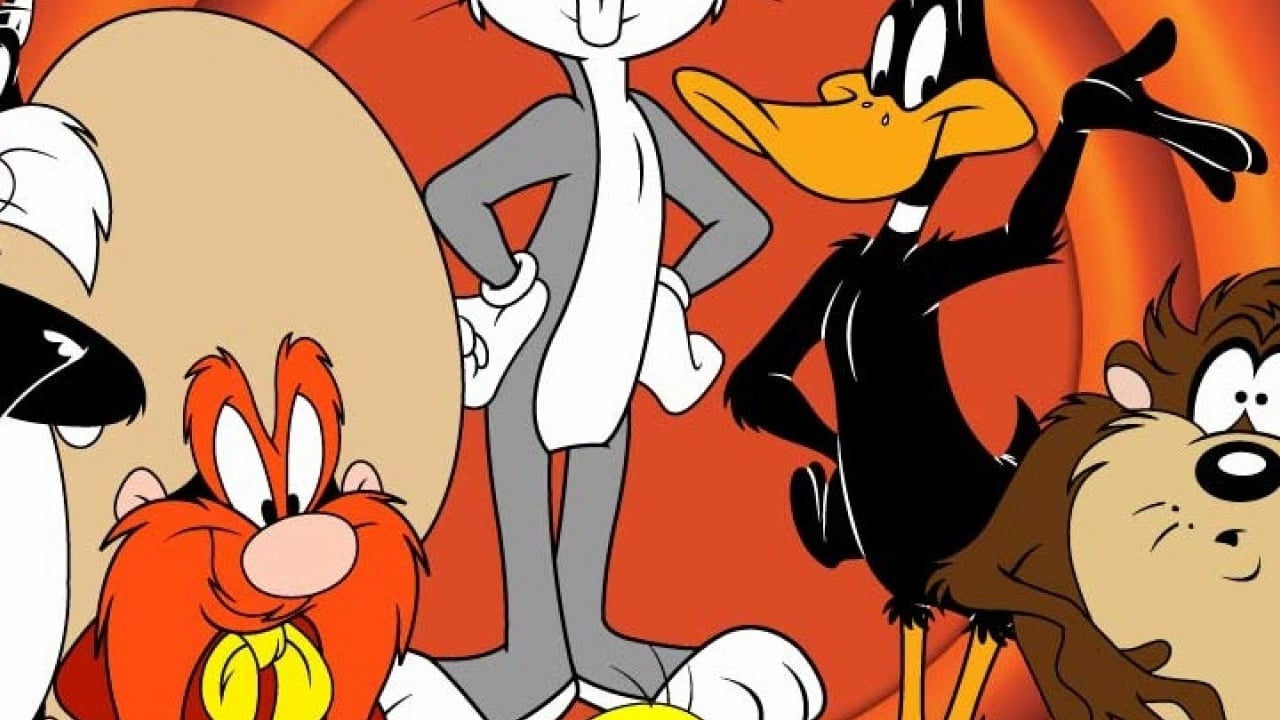
Looney Tunes Season 1931 Episode 12 Bosko the Doughboy
- October 17, 1931
Bosko the Doughboy is an entertaining episode from the classic animated series, Looney Tunes, that originally aired in 1931. This episode features Bosko, who is one of the earliest characters of the franchise and was an integral part of the Looney Tunes lineup during its formative years. The episode blends humor, music, and whimsical animation, which were hallmark traits of the series, showcasing the creativity and innovation of early animated cartoons.
In this episode, Bosko takes center stage in a delightful and energetic storyline that captures his adventurous spirit and playful personality. As a doughboy, he's characterized by his playful and mischievous nature, leading to a series of comical shenanigans that engage viewers from the very start. The visuals are bright and colorful, emitting a vintage charm that reflects the animation style of the early 1930s. The lively soundtrack complements Bosko's antics perfectly, enhancing the comedic effect and helping to draw the audience into the world of cartoon chaos.
The plot of the episode transports the audience into a fanciful world where Bosko interacts with various other characters, each contributing to the humor and charm of the narrative. The storytelling is simple yet effective, allowing the viewer's imagination to flourish as Bosko encounters quirky situations and a variety of animated side characters. The pacing is brisk, keeping the viewers on their toes as they watch Bosko navigate his world filled with absurdities and slapstick humor.
The animation in Bosko the Doughboy stands out, with smooth movements and exaggerated expressions that bring the characters to life. The artistic style is representative of the early animation techniques of the time, utilizing hand-drawn cels and vibrant colors to create a visually stunning experience. The cartoon's design captures the essence of the era, embodying a playful and carefree spirit that resonates with audiences of all ages.
Musical elements play a significant role in this episode, as they do in many early Looney Tunes cartoons. Music is woven into the fabric of the story, with song and dance sequences that highlight Bosko's joyful disposition. The catchy tunes are not only entertaining but also elevate the humor, as Bosko’s interactions often lead to musical interludes that perfectly sync with the animation. This seamless blend of animation and music makes Bosko the Doughboy a memorable experience that showcases the ingenuity of its creators.
Throughout Bosko's misadventures, themes of humor and silliness prevail, inviting viewers to embrace the lightheartedness of the narrative. The character's charm and affable personality make it easy for the audience to root for him, engaging them in his antics. Every scene is packed with laughter-inducing moments, from visual gags to witty interactions, ultimately creating a high-energy environment that defines the essence of classic slapstick comedy.
Viewers can also appreciate the cultural significance of Bosko as one of the first animated characters to have a recurring role in a series. He embodies the spirit of innovation that characterized the era, pushing the boundaries of animation and paving the way for future beloved characters. Watching Bosko the Doughboy provides a glimpse into the roots of animated storytelling, highlighting the evolution of cartooning in the years that followed.
In this episode, the creators effectively balance humor with creativity, allowing for a varied pacing that keeps the audience engaged. The relentless energy exhibited by Bosko, paired with the whimsical antics that ensue, creates an entertaining package that appeals to both children and adults. As characters pop in and out of the scenes, each new encounter adds a layer of excitement and unpredictability to the narrative.
In conclusion, Bosko the Doughboy is a delightful episode that exemplifies the charm and creativity of early Looney Tunes animation. With its combination of vibrant visuals, engaging music, and comedic flair, the episode succeeds in enchanting audiences and reminding them of the enduring appeal of classic animated storytelling. Bosko’s antics serve as a reminder of the innocence and joy of childhood, capturing the imagination of viewers and leaving them with smiles long after the episode concludes. This episode not only stands as a testament to the artistry of early animation but also as a tribute to the timelessness of humor that breaches generations.
