Nature Season 8 Episode 2 The Great Rift: Out of the Ashes
- October 15, 1989
The Great Rift: Out of the Ashes is the second episode of the eighth season of Nature TV show. The episode takes us on a journey to the Great Rift Valley in Africa, where wildlife is thriving amidst the harsh environments of the region.
The show explores the origins of the Great Rift Valley, and how it has influenced the flora and fauna that exist in the area today. The volcanic activity that created this region has given rise to some of the most amazing geological formations in the world, like Lake Naivasha and Mount Longonot.
The episode also focuses on the challenges that wildlife in the Great Rift Valley face on a daily basis. The animals have to adapt to survive in the arid conditions, where food and water are scarce. From hippos that roam the grasslands in search of food, to hyenas that scavenge for scraps, the wildlife in the Great Rift Valley is truly remarkable.
Another major focus of the episode is the role that conservation efforts play in preserving the biodiversity of the region. The documentary showcases the work of conservationists who are working tirelessly to protect and restore habitats for the indigenous wildlife.
In particular, the show highlights the work of conservationist Paula Kahumbu and her team at WildlifeDirect, a Kenya-based organization that focuses on protecting endangered wildlife. Through innovative programs like “Hands Off Our Elephants” and the “Kenya Wildlife Service,” the group is making a difference in the lives of wild animals that call the Great Rift Valley their home.
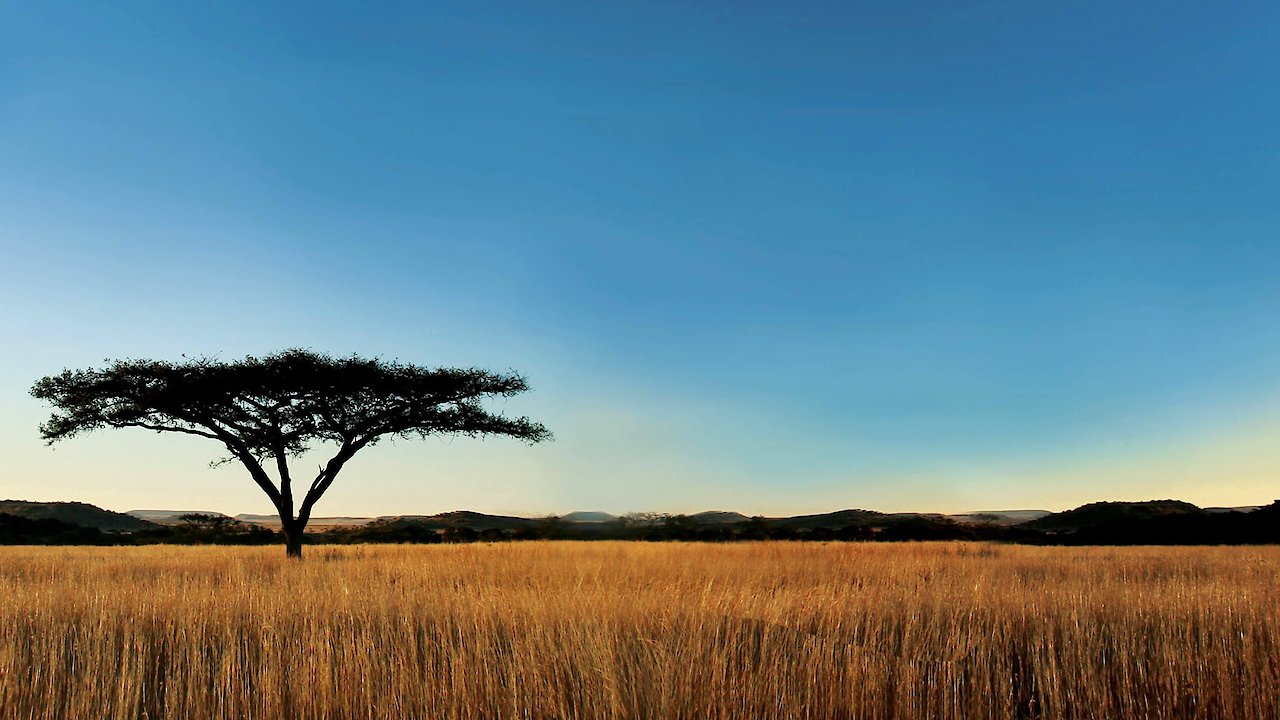
Throughout the show, viewers are treated to a rare glimpse of some of the most iconic animals of the region, including elephants, baboons, gazelles, and giraffes. The stunning cinematography captures the beauty of the landscape and the richness of the wildlife that thrive in the valley.
The Great Rift: Out of the Ashes offers a unique perspective on the natural world, revealing the incredible resilience of wildlife in the face of adversity. It speaks to the need for us to protect and conserve the habitats of these remarkable animals for future generations to enjoy.
